Figuring out how to find influencers who truly fit your brand is often the hardest part of any creator marketing program. Most teams start by scrolling TikTok, Instagram, and YouTube by hand, hoping to stumble on the right creator. However, that manual approach wastes hours, misses thousands of relevant profiles, and still leaves you guessing whether a creator's audience is even real. This guide breaks down exactly how to find influencers who match your niche, verify their audience quality before you pay a dollar, and turn creator partnerships into a channel you can actually measure.
Direct answer: The fastest way to find influencers is to search a creator database by niche, location, and engagement rate, then verify audience authenticity before you reach out. Platforms such as SocialBook let brands filter more than 300 million creator profiles across TikTok, Instagram, YouTube, and Twitch in minutes instead of weeks.
What Is the Best Way to Find Influencers in 2026?
How to find influencers is, at its core, the process of identifying creators whose audience, content style, and engagement genuinely align with a brand's goals, rather than simply picking whoever has the largest follower count. In particular, the best approach combines three things: a searchable database of creator profiles, audience verification data, and a repeatable outreach process.
Consequently, brands that treat creator discovery as a data problem — not a browsing exercise — consistently find better-fit partners faster. For example, filtering by audience demographics instead of creator bio details alone catches mismatches that a quick profile glance would miss entirely.
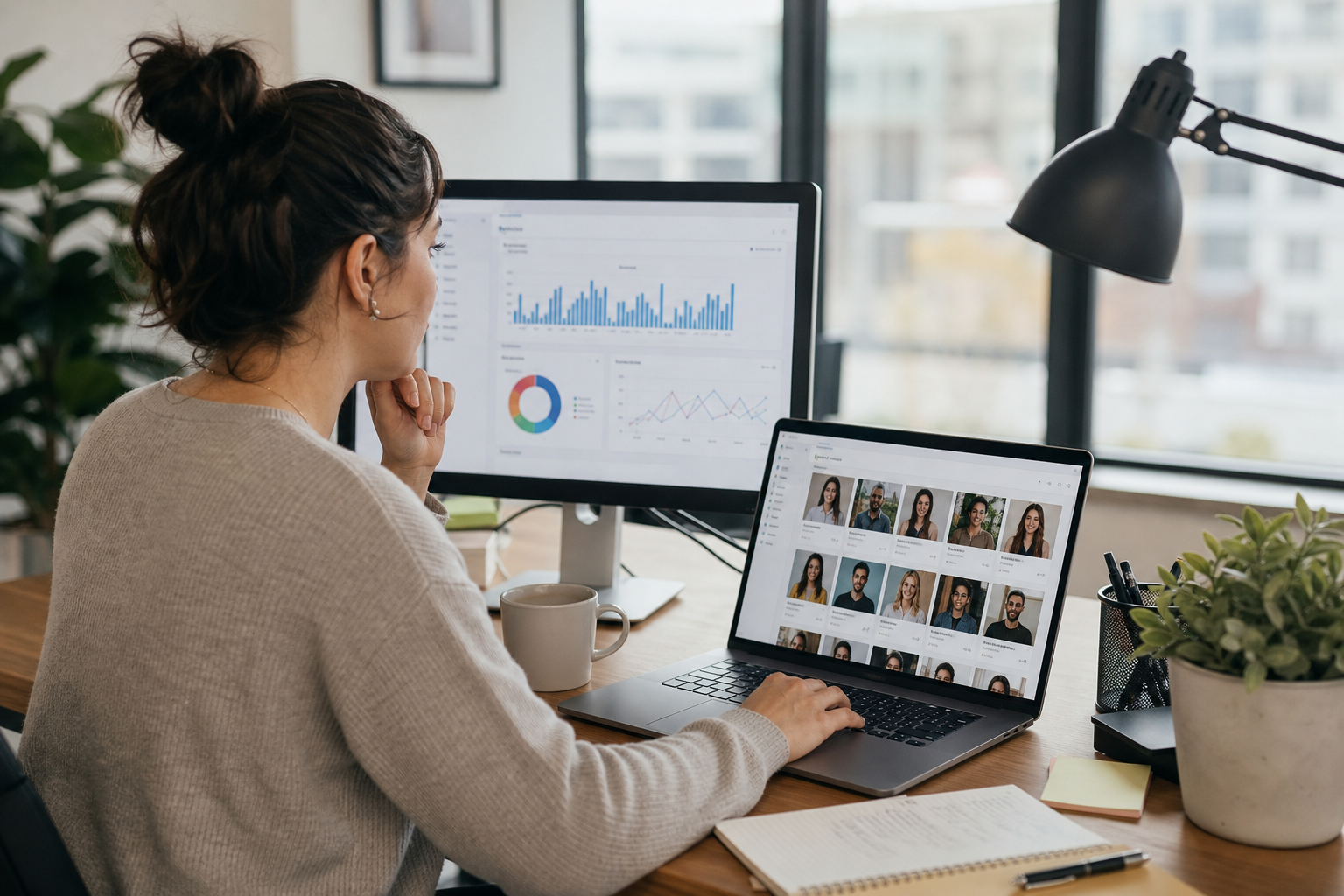
Searching a filtered creator database is far faster than manually scrolling social apps to find influencers.
How to Find Influencers in 6 Practical Steps
Above all, a repeatable process beats one-off guesswork. The six steps below outline how to find influencers, vet them, and turn the relationship into measurable sales.
- Define your audience and goals. Write down the exact age range, interests, location, and buying behavior of the customer you want a creator to reach, then decide whether this campaign is meant to drive awareness, website traffic, or direct sales.
- Search a creator database with filters. Instead of scrolling feeds, use niche, follower range, engagement rate, and audience location filters to pull a shortlist of relevant creators in minutes. A dedicated influencer search engine can narrow 300 million profiles down to a workable list fast.
- Check competitor and category creators. Look up creators who have already promoted similar products; their audience is already warmed up to your category, which usually means better conversion rates.
- Vet audience authenticity. Review engagement quality, audience geography, and a fake follower score before committing any budget to a creator.
- Send personalized outreach at scale. Reach every shortlisted creator with a tailored message, then automate follow-up sequences for anyone who hasn't replied within a few days.
- Track content and sales performance. Assign unique coupon codes or affiliate links to each creator so you can see exactly which partnerships generated revenue.
Similarly, this sequence works whether you're sourcing one creator or fifty. As a result, teams spend less time searching and more time running campaigns that are easy to report on later.
Where to Search for Social Media Influencers by Platform
Different platforms suit different goals, so it helps to know where to search for social media influencers before narrowing filters. The table below summarizes what each platform tends to offer brands.
| Platform | Best For | Typical Content |
|---|---|---|
| TikTok | Fast discovery, viral reach | Short-form video, trends |
| Lifestyle, beauty, product shots | Reels, Stories, feed posts | |
| YouTube | In-depth reviews, tutorials | Long-form and Shorts video |
| Twitch | Gaming, live community engagement | Live streams, sponsorships |
For instance, a beauty brand searching for creators will likely focus on Instagram and YouTube, while a gaming peripheral company may prioritize Twitch. A guide to finding YouTube influencers can help narrow that platform specifically if long-form reviews matter most to your category.
How to Vet Influencers Before You Pay Them
Locating a creator is only half the job; vetting them is what protects your budget. In particular, inflated follower counts and bought engagement are common, and they quietly drain influencer marketing budgets every year.
Therefore, before paying anyone, check the ratio between followers and genuine engagement, review audience location and age breakdowns, and look at how similar past sponsorships performed. An Instagram fake follower checker automates much of this analysis, flagging suspicious growth spikes that are easy to miss with a manual glance.
In contrast to guesswork, data-driven vetting also helps estimate fair pricing. According to a widely cited influencer marketing benchmark, businesses have historically reported earning several dollars in value for every dollar spent on well-matched creator partnerships, which underscores why audience quality matters more than raw reach.
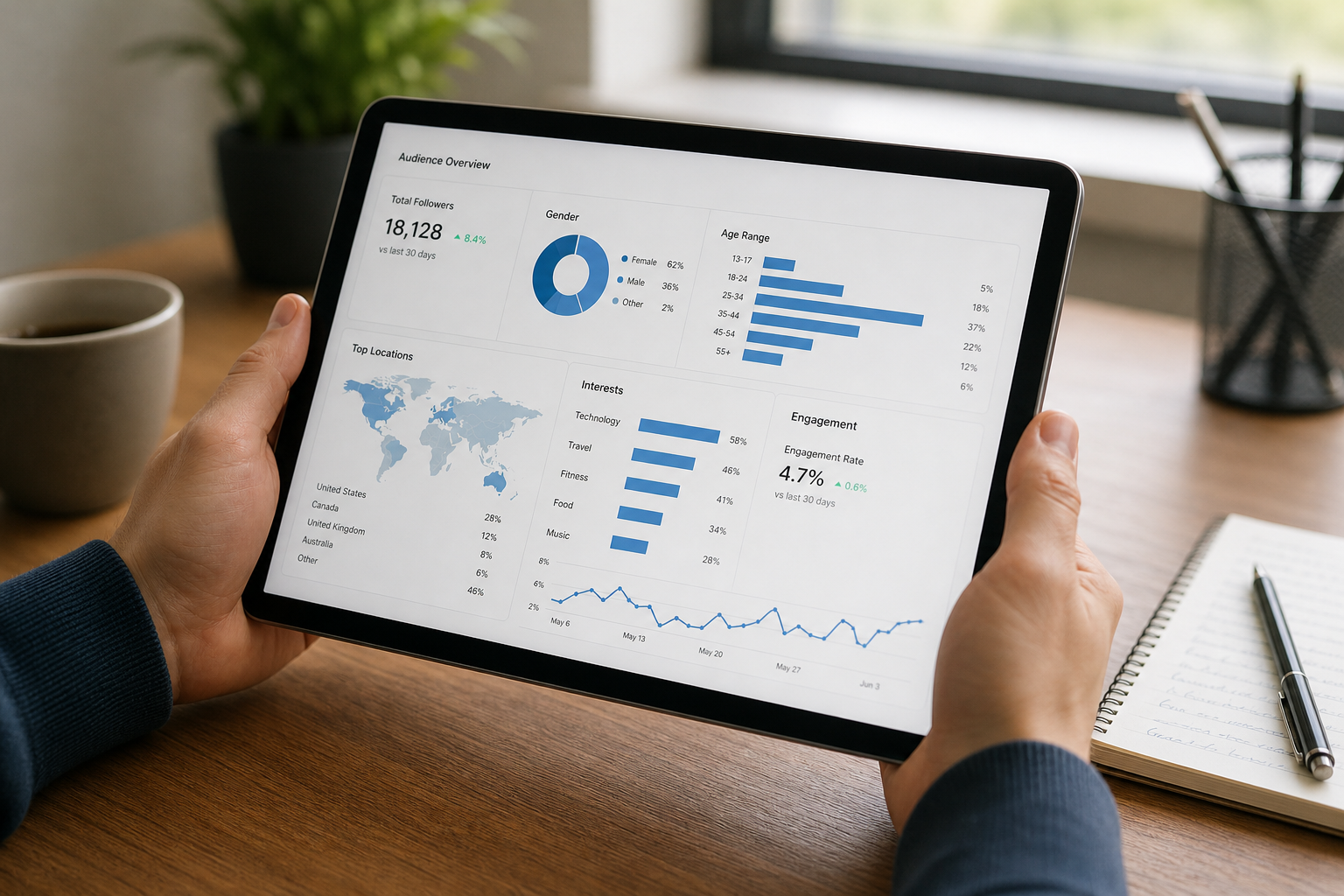
Checking audience authenticity data helps brands avoid paying creators with inflated followings.
Common Mistakes When Trying to Locate Influencers
Even with good intentions, many teams repeat the same errors while trying to locate influencers for a campaign. Recognizing these early saves both time and budget.
- Choosing creators by follower count alone instead of audience relevance.
- Skipping fake follower checks before negotiating a rate.
- Sending a single outreach message with no follow-up sequence.
- Failing to track which creator actually drove a sale.
- Ignoring creators who already have experience in your exact product category.
Finding Influencers Who Already Promote Products Like Yours
One of the most reliable shortcuts is finding influencers who already promote products like yours, since their audience is pre-qualified. Specifically, searching by competitor brand mentions reveals creators who understand your category's messaging and already have engaged followers interested in it.
If your brand is in beauty or personal care, it also helps to narrow by audience country. A practical resource on finding beauty influencers with a US-based audience walks through exactly how to apply that filter. For a broader look at competitor-based discovery, see this breakdown of finding influencers who already promoted similar products.

Planning outreach as a team keeps influencer campaigns organized once the right creators are found.
Throughout this process, transparency matters too. Any brand running paid partnerships should follow disclosure rules such as those outlined by the FTC's endorsement guidelines, since unclear sponsorships can damage trust with the exact audience you're trying to reach. For background on how the discipline evolved, Wikipedia's overview of influencer marketing is a useful starting point.
Frequently Asked Questions About How to Find Influencers
What is the best way to find influencers for a small brand?
The best way to find influencers on a small budget is to use a creator search platform with filters for niche, location, and engagement rate rather than manual scrolling. This surfaces micro-influencers with highly engaged, affordable audiences that fit tight budgets.
How to find influencers who have already promoted products like mine?
You can find influencers who already promote similar products by searching a creator database for competitor brand mentions or sponsored content history. This shows you creators with proven experience and an audience already interested in your category.
How much does it cost to find and hire influencers?
Finding influencers through a search platform typically costs nothing beyond a software subscription, while hiring them ranges from free product gifting to thousands of dollars per post for larger creators. Pricing estimator tools can help predict fair rates before you negotiate.
How long does it take to find the right influencer for a campaign?
Manual research can take several weeks, but a filtered creator database search usually narrows a shortlist down in a few hours. Vetting and outreach typically add another few days before a creator confirms the partnership.
What is the easiest way to find influencers for free?
The easiest free method is searching relevant hashtags and checking who competitors tag in their posts, then reviewing each profile manually. It works, but it is slow and does not verify audience authenticity the way dedicated search tools do.
How do you find influencers on TikTok specifically?
On TikTok, search niche hashtags and the Creator Marketplace, or use a cross-platform database that filters TikTok creators by follower range and engagement. This is faster than browsing the app and reveals performance data TikTok's own search does not show.
How can I tell if an influencer has fake followers?
Check the follower-to-engagement ratio and audience geography; a large following with very low comments or an audience concentrated in an unrelated country is a red flag. Dedicated fake follower checkers analyze these patterns automatically and flag suspicious growth spikes.
What is the difference between finding micro-influencers and macro-influencers?
Finding micro-influencers usually means filtering for smaller, highly engaged niche audiences, while macro-influencer searches focus on reach and broad brand awareness. Most brands combine both for a mix of trust and visibility.
Why do many brands struggle to find influencers that actually convert?
Brands often struggle because they pick creators based on follower count alone instead of audience relevance and authenticity. Without checking engagement quality and past campaign performance, it is easy to pay for reach that never turns into sales.
What is the biggest mistake brands make when trying to find influencers?
The biggest mistake is skipping audience verification before paying a creator, which leaves brands exposed to fake followers and mismatched demographics. A close second is sending one-off outreach messages instead of a systemized follow-up process.
How do I find influencers who match my target audience demographics?
Use a creator search tool that filters by the audience's age, gender, and location rather than just the creator's own profile details. This ensures the people who see the content actually match your buyer persona.
Can I find influencers without using any software?
Yes, you can find influencers manually through hashtags, platform search, and competitor tagging, but it takes far longer and offers no audience authenticity data. Most teams eventually switch to a search platform once campaign volume grows.
How to find influencers whose audience is based in a specific country?
Filter a creator database by audience location rather than the creator's stated country, since many creators have global followings. This detail is critical for brands running region-specific promotions or compliance-sensitive campaigns.
Final Thoughts on Finding the Right Influencers
Ultimately, learning how to find influencers comes down to replacing manual guesswork with filtered search, honest audience data, and a repeatable outreach system. In addition, verifying authenticity before spending budget protects campaigns from fake followers and mismatched audiences that quietly drain ROI.
For brands ready to move beyond spreadsheets, a platform like SocialBook brings discovery, vetting, outreach, and sales tracking into one dashboard, so every creator partnership can be measured, not just hoped for.

