When brands want to find micro influencers who actually move product, the search usually starts with a familiar problem: too many names, not enough signal. Micro influencers typically have between 10,000 and 100,000 followers, and they often earn higher trust and engagement than celebrity accounts with millions of fans. However, locating the right ones by hand across TikTok, Instagram, YouTube and Twitch can eat an entire week before a single email goes out. This guide breaks down exactly how to find micro influencers efficiently, vet them for real engagement, and connect their content to measurable sales using a platform such as SocialBook.
Quick answer: To find micro influencers, search a verified creator database by niche, location and engagement rate, confirm their audience is real with a fake-follower check, then reach out with a personalized message and a clear offer. Platforms like SocialBook cut this process from weeks to minutes by combining a 300-million-profile search engine with built-in audience verification.
What Is a Micro Influencer?
A micro influencer is a social media creator with roughly 10,000 to 100,000 followers who has built a loyal, niche-specific audience. Unlike mega-influencers or celebrities, micro influencers tend to post consistently about one topic — fitness, skincare, parenting, gaming — which keeps their audience highly engaged.
Because their follower count is smaller, micro influencers often reply to comments personally and maintain a sense of community. As a result, their audience trusts their recommendations more than a celebrity endorsement that feels distant and transactional.
According to Wikipedia's overview of influencer marketing, engagement quality — not just audience size — has become a primary metric brands use to evaluate creator partnerships. That shift is exactly why so many marketing teams now prioritize micro influencers over reach-only metrics.
Why Brands Find Micro Influencers Instead of Celebrities
Brands find micro influencers instead of celebrities for one simple reason: return on investment. Celebrity endorsements cost tens of thousands of dollars per post, and the audience is broad but shallow. Micro influencers, in contrast, charge a fraction of that rate while delivering an audience that already trusts their opinion.
For example, industry benchmarking data consistently shows that smaller creator accounts post engagement rates several times higher than accounts with millions of followers, largely because their audience overlaps closely with a single niche. In addition, micro influencers are more open to long-term partnerships, affiliate codes and performance-based deals, since the relationship matters more to their business than a one-off payday.
Consequently, a brand working with ten well-matched micro influencers often outperforms a single celebrity placement, and at a lower total cost. That is the core economic case behind nearly every modern influencer marketing strategy, including the approach built into SocialBook's AI growth platform.

A clear dashboard view makes it faster to find micro influencers who match a brand's niche and budget.
How to Find Micro Influencers in 5 Simple Steps
Finding the right creators does not have to take weeks. Follow this five-step process to find micro influencers who fit your brand, budget and audience, without drowning in spreadsheets.
- Define your niche and campaign goal. Decide whether you want brand awareness, UGC content, or direct sales before you search, since this choice determines which filters matter most.
- Search by filters across platforms. Use audience demographics, location, follower range and engagement rate filters to narrow a database of millions down to a shortlist in minutes.
- Check each creator's past brand partnerships. Review previous sponsored content and performance history to confirm the influencer has delivered results for brands similar to yours.
- Verify audience authenticity. Run a fake-follower check to confirm real engagement before agreeing to any rate, since inflated followings waste budget fast.
- Send personalized outreach and track replies. Contact creators directly with a tailored pitch, then let automated follow-up sequences chase non-responders for you.
Manually repeating these steps for every campaign is exhausting. That is why many teams now rely on a dedicated creator search engine such as SocialBook, which runs steps one through four automatically and surfaces ranked recommendations through AI.
How to Vet Micro-Influencers Before You Spend a Dollar
Audience quality matters more than audience size. Specifically, a creator with 40,000 followers and a 90% real audience will usually outperform one with 80,000 followers and a 40% bot audience.
Start by checking the engagement rate against industry averages for the platform and niche. Then, review the comments section itself, since genuine audiences leave specific, on-topic replies, while bought engagement tends to be generic or repetitive.
Furthermore, confirm the creator's audience location and age range match your target customer. A beauty brand selling in the United States gains little value from a creator whose audience is mostly based overseas, even if the follower count looks impressive.
Tools like the Fake Follower Checker built into SocialBook flag suspicious growth patterns and inflated audiences automatically, which removes most of the guesswork before a brand commits any budget. For a benchmark on how creator rankings get calculated, the SocialBook top influencers list is a useful reference point.
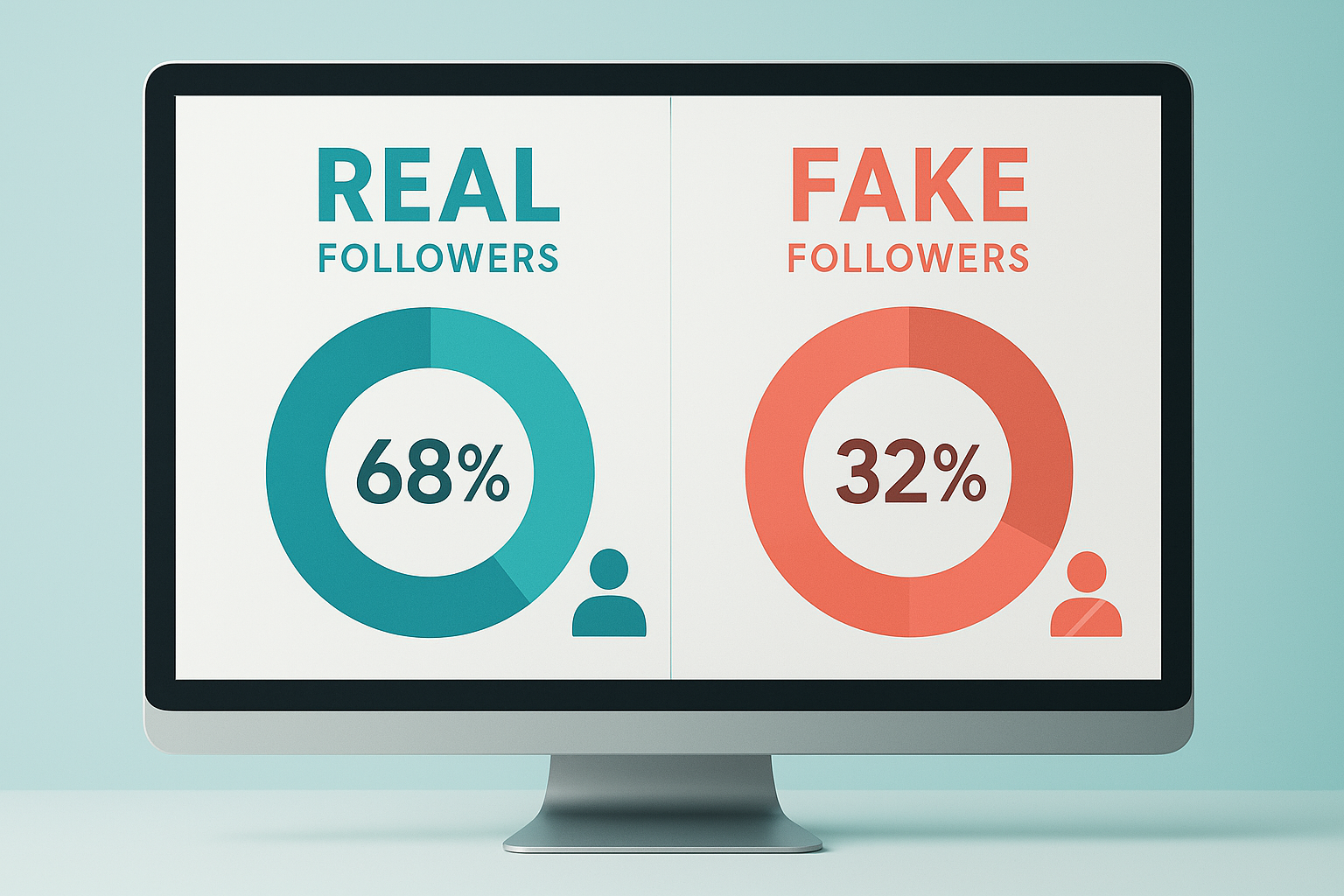
Checking audience authenticity is a critical part of vetting micro influencers before launch.
Best Tools to Discover Micro Influencers for Your Niche
Several approaches exist to discover micro influencers, and most brands end up combining a few of them.
Manual platform search. Scrolling hashtags and location tags on Instagram or TikTok works, but it is slow and almost impossible to scale past a handful of creators.
Competitor analysis. Searching for creators already promoting similar products reveals an audience with proven buying intent, which makes competitor-based discovery one of the fastest shortcuts to a shortlist.
Dedicated creator platforms. A unified search engine covering TikTok, Instagram, YouTube and Twitch, like the one powering SocialBook's AI growth platform, lets a team filter 300 million profiles by niche, engagement and location in minutes instead of weeks.
Browser extensions. Lightweight tools that pull audience analytics while browsing a creator's profile help confirm fit without ever leaving the page.
Common Mistakes When Searching for Micro Influencers
Even experienced marketers repeat the same mistakes when searching for micro influencers. Here are the ones that waste the most budget.
- Chasing follower count alone. A bigger number does not guarantee more sales, and it often correlates with lower engagement.
- Skipping the fake-follower check. Bought followers inflate reach but contribute nothing to actual conversions.
- Sending generic outreach. A copy-pasted pitch with no context about the creator's content usually gets ignored.
- Ignoring attribution. Without a coupon code, deep link, or tracked URL, a brand has no way to prove which creator drove a sale. Tools such as SocialBook's deep link tracking and affiliate link system are built specifically to close that gap.
- No follow-up system. Most replies come after a second or third message, yet many brands never send one.
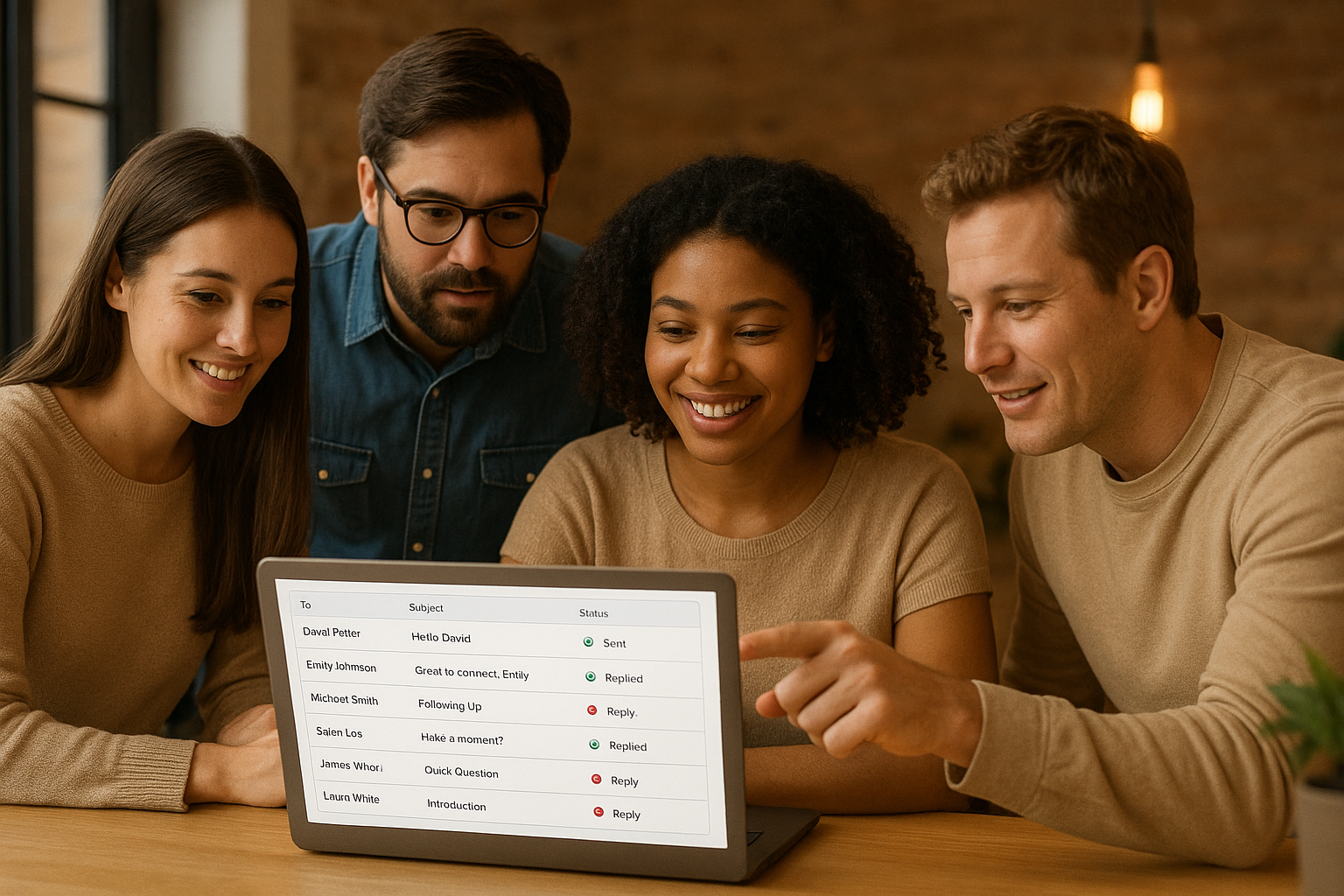
A clear follow-up sequence helps brands convert more replies when reaching out to creators.
Frequently Asked Questions About Finding Micro Influencers
What is a micro influencer?
A micro influencer is a creator with roughly 10,000 to 100,000 followers who has built a loyal, niche-focused audience. Brands often value micro influencers for higher engagement rates and lower cost per post compared with celebrity creators.
How do I find micro influencers for my brand?
To find micro influencers for your brand, search a verified creator database using filters for niche, location, engagement rate and audience demographics, then vet each profile for authentic followers before reaching out. Platforms such as SocialBook combine search, verification and outreach in one dashboard.
Why should brands work with micro influencers instead of celebrities?
Micro influencers typically cost far less per post than celebrities while delivering stronger engagement and more trust with their niche audience. As a result, campaigns built around several well-matched micro influencers often beat one celebrity placement.
How much do micro influencers charge per post?
Rates vary by platform, niche and follower count, but many micro influencers charge between roughly $50 and $500 per sponsored post. Some accept product gifting or affiliate commissions instead of a flat fee.
What follower range counts as a micro influencer?
Most marketers define micro influencers as creators with 10,000 to 100,000 followers, though some definitions extend the range up to 150,000. Accounts below 10,000 followers are usually classified as nano influencers instead.
What is the difference between micro and nano influencers?
Nano influencers typically have under 10,000 followers and an even more personal relationship with their audience, while micro influencers have a larger reach and more campaign experience. Both groups tend to outperform mega-influencers on engagement rate.
How long does it take to build a micro influencer campaign?
With manual research, sourcing and vetting ten to twenty creators can take one to two weeks. Using a dedicated creator search platform, that same process often shrinks to a few days.
What is the biggest mistake brands make when searching for micro influencers?
The most common mistake is judging creators by follower count alone instead of checking engagement quality and audience authenticity. This leads to wasted budget on accounts with inflated or irrelevant audiences.
How can I verify a micro influencer's followers are real?
Run a fake-follower check that analyzes follower growth patterns, comment quality and audience location to flag bought or bot followers. Tools built into platforms like SocialBook automate this check across Instagram and TikTok profiles.
What platforms work best to find micro influencers?
TikTok, Instagram and YouTube currently offer the largest pools of micro influencers, with Twitch adding strong options for gaming and live-streaming niches. A unified search platform covering all four at once saves significant research time.
How do I track ROI from a micro influencer campaign?
Use unique coupon codes, affiliate links or deep links for each creator so every sale can be traced back to the post that generated it. Shopify-synced tracking tools make this attribution automatic instead of relying on manual promo code checks.
Do micro influencers need contracts or FTC disclosure?
Yes, sponsored content involving micro influencers must follow the same disclosure rules as any paid endorsement, including clear labels such as #ad. The Federal Trade Commission's endorsement guidelines outline these requirements for both brands and creators.
Can AI tools help find micro influencers faster?
Yes, AI-powered recommendation engines can surface high-fit creators automatically based on niche, past performance and audience overlap, cutting manual research time significantly. This is why marketing teams increasingly use AI-assisted creator search platforms instead of manual spreadsheets.
Final Thoughts
Finding the right creators does not need to feel like a guessing game. When you find micro influencers using clear filters, real audience verification and a repeatable outreach process, campaigns launch faster and budget stops leaking into partnerships that never convert.
The brands that win with this channel treat it like any other performance channel: they define goals, vet before they spend, track every sale back to its source, and keep improving the shortlist over time. Whether you search manually or lean on a platform such as SocialBook to search, verify and manage creators from one dashboard, the fundamentals stay the same: real engagement beats raw reach every time.
