An influencer discovery tool is the software brands and agencies use to search, vet and shortlist content creators across TikTok, Instagram, YouTube and Twitch without scrolling through profiles by hand. For marketing teams tired of spreadsheets that go stale overnight, the right influencer discovery tool turns creator research into a repeatable, data-backed process instead of a guessing game. This guide explains how these platforms work, what separates a genuinely useful one from a glorified directory, and how a tool like SocialBook helps brands find creators who actually drive revenue.
Quick answer: An influencer discovery tool is a searchable database and vetting system that lets marketers filter creators by niche, audience and performance data, then contact and manage them from one dashboard. The best tools also flag fake followers and connect results to actual sales.

An influencer discovery tool turns hours of manual profile checking into a filtered, data-backed shortlist.
What Is an Influencer Discovery Tool?
An influencer discovery tool is a software platform that lets marketers search a large database of creator profiles, filter by niche, audience quality and performance metrics, and verify follower authenticity before sending a single message. Instead of manually checking hundreds of accounts, teams use filters and AI-powered recommendations to build a shortlist in minutes rather than weeks.
Most platforms, including SocialBook, index tens or hundreds of millions of profiles and refresh that data regularly so follower counts and engagement rates stay current. According to Wikipedia's overview of influencer marketing, the discipline has grown from a niche tactic into a core part of digital marketing strategy, which is exactly why manual, spreadsheet-based research no longer scales for most brands.
Why Brands Need a Creator Discovery Platform in 2026
Every marketer knows creators drive discovery, trust and sales in ways paid ads increasingly cannot. However, most teams still run influencer marketing the hard way: hours lost scrolling platforms by hand, spreadsheets that are outdated the day they're built, and budget spent on creators with fake followers or the wrong audience location.
As a result, campaigns launch late, the wrong creators get paid, and leadership never gets a clear answer to the question that matters most: which creators actually drove revenue? A creator discovery platform replaces that chaos with structured data and one connected workflow, from first search to final payout.
For a broader comparison of available options, this roundup of influencer marketing tools and platforms for 2026 is a useful next step.
Core Features of a Strong Influencer Search Platform
Not every tool that claims to "find influencers" actually helps a brand make better decisions. In particular, a strong influencer search platform should include the following:
- Deep, current database: SocialBook's database covers more than 300 million creator profiles across TikTok, Instagram, YouTube and Twitch, refreshed regularly so metrics stay accurate.
- Granular filtering: At least 20 filters, including niche, location, follower range, engagement rate and audience demographics.
- Audience authenticity checks: A built-in fake follower checker that flags inflated or purchased audiences before a brand pays for a post.
- Competitor and outreach tools: The ability to find creators already promoting similar products, plus personalized bulk outreach with automated follow-up.
- Sales attribution: Coupon codes or affiliate links tied to each creator so results connect directly to revenue.
Brands evaluating options for smaller teams can compare feature sets in this guide to influencer marketing tools built for small and mid-sized brands.
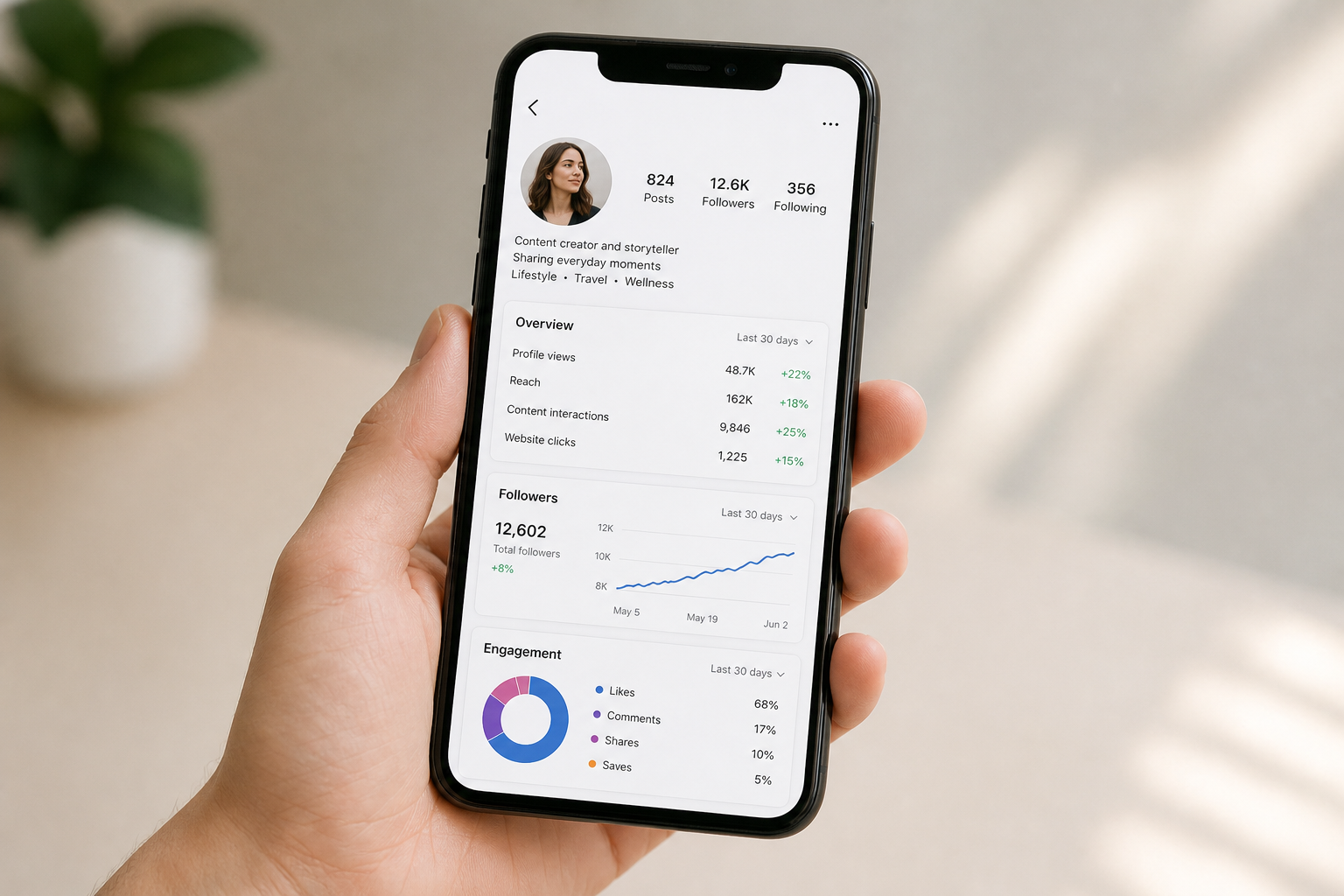
Checking engagement quality before outreach helps brands avoid creators with inflated or fake audiences.
How SocialBook's Influencer Finder Software Works, Step by Step
SocialBook was built in 2014 in San Francisco specifically to replace manual creator research with one connected workflow. Today, more than 100,000 brands, agencies and creators have used the platform, which has appeared on the Inc. 5000 list of fastest-growing private companies in consecutive years. Here is how the process works from search to sale.
- Define campaign criteria and search filters. Set niche, location, follower range, engagement rate and audience demographics so results only include creators who genuinely fit the brand.
- Vet shortlisted creators for authenticity. Review audience authenticity percentage, engagement quality, estimated pricing and past brand partnership performance, using the fake follower checker to rule out inflated accounts.
- Launch personalized bulk outreach. Send messages directly from a connected Gmail or Outlook account, then let automated follow-up sequences chase non-responders.
- Manage contracts and content in one dashboard. Track shipping, approvals and payments inside the influencer CRM instead of scattered inboxes and DMs.
- Track sales with coupon codes and affiliate links. Assign each creator a unique, Shopify-synced code so leadership can see exactly which partnerships drove revenue.
Teams that want an end-to-end walkthrough can review this breakdown of the best all-in-one software to find, contact and track influencers.
Avoiding Fake Followers: Vetting Creators Before You Pay
Budget burned on creators with fake followers, bought engagement, or an audience in the wrong country remains one of the biggest risks in influencer marketing. Consequently, audience verification should happen before any contract is signed, not after a campaign underperforms.
SocialBook's profile reports show audience demographics, authenticity percentage and engagement quality side by side, alongside performance prediction that estimates expected campaign cost and results before a product ships. Brands running frequent campaigns can also use competitor influencer monitoring to see which creators are already driving results for similar products, which reduces guesswork further. The FTC's disclosure guidance for social media influencers is also worth reviewing, since audience trust and legal compliance go hand in hand.
Creator Discovery Tool vs Manual Influencer Search
Some teams still believe manual research is "free" because it only costs time. In reality, manual search carries hidden costs: stale data, missed creators, and no system for comparing audience quality across platforms.
| Factor | Manual Search | Discovery Tool |
|---|---|---|
| Time to shortlist | Days to weeks | Minutes |
| Audience verification | Limited or none | Built-in fake follower checks |
| Outreach | One email at a time | Personalized bulk outreach |
| Sales attribution | Hard to trace | Coupon codes and affiliate links |
For a side-by-side look at how dedicated search tools compare, see this guide on an influencer search engine built to find and vet creators fast.
How to Choose the Right Influencer Discovery Platform
Choosing the right influencer discovery platform depends on campaign volume, team size and how much of the workflow needs automation. A brand running one or two campaigns a year has different needs than an agency managing dozens of clients at once.
Above all, prioritize platforms that combine search, vetting and attribution rather than just a static directory. Specifically, look for a free trial or demo, check independent review sites such as G2, and confirm the database actually covers the platforms your audience uses most. SocialBook, for example, holds a 4.7 out of 5 rating on G2 from more than 100,000 users, which reflects consistent performance across discovery, outreach and reporting.
Brands ready to test a platform firsthand can explore SocialBook directly to see how search, vetting and campaign tracking work together.

Teams that centralize creator discovery and reporting spend less time reconciling scattered spreadsheets.
Frequently Asked Questions About Influencer Discovery Tool
What is an influencer discovery tool?
An influencer discovery tool is software that lets brands search large databases of creator profiles, filter by niche and audience data, and shortlist influencers without manual searching. It replaces spreadsheets and manual scrolling with structured, filterable data.
How does an influencer discovery tool find the right creators?
It matches creators to a campaign using filters like niche, location, follower range, engagement rate and audience demographics, then ranks results by relevance. Many tools, including SocialBook, add AI recommendations based on past campaign performance.
Why do brands need an influencer discovery tool instead of manual research?
Manual research relies on outdated follower counts and guesswork about audience quality, which wastes budget on the wrong creators. A discovery tool refreshes data regularly and verifies audience authenticity before any money is spent.
What is the difference between an influencer discovery tool and an influencer marketplace?
A discovery tool is primarily a search and vetting engine, while a marketplace adds a two-way system where brands post campaigns and creators apply directly. SocialBook combines both functions in one dashboard.
How much does an influencer discovery tool cost?
Pricing varies widely by provider, database size and included features like outreach automation or a CRM. Most platforms offer tiered plans, so brands should compare what each tier unlocks before committing.
How long does it take to find creators with a discovery tool?
A well-built discovery tool can return a filtered shortlist in minutes instead of the days or weeks manual research typically takes. Vetting and outreach still require some human review, but the search phase is nearly instant.
What is the most common mistake brands make when searching for influencers?
The most common mistake is judging creators by follower count alone instead of checking audience authenticity and engagement quality. This leads to partnerships with accounts that have inflated or bought followers.
What features should I look for in an influencer discovery tool?
Look for a large, regularly updated database, strong filtering options, fake follower detection, bulk outreach, and performance tracking tied to sales. A built-in CRM for contracts and content approvals saves significant time.
Can an influencer discovery tool detect fake followers?
Yes, many discovery tools include an audience authenticity or fake follower checker that flags inflated or purchased audiences. SocialBook's built-in checker analyzes follower patterns on Instagram and TikTok before a brand commits budget.
Does SocialBook work across TikTok, Instagram, YouTube and Twitch?
Yes, SocialBook's influencer discovery tool searches creator profiles across TikTok, Instagram, YouTube and Twitch from a single login. This lets teams compare creators across platforms without switching tools.
How many creator profiles does SocialBook's influencer discovery tool include?
SocialBook's database indexes more than 300 million creator profiles, refreshed to keep metrics current. The platform has been used by more than 100,000 brands, agencies and creators globally.
Is an influencer discovery tool worth it for small brands?
Small brands often benefit the most because they cannot afford to waste limited budget on the wrong creators. A discovery tool helps smaller teams compete by finding well-matched, cost-effective partnerships quickly.
How do I measure ROI from creators found through a discovery tool?
Track ROI using unique coupon codes, affiliate links or UTM parameters tied to each creator, then compare spend against resulting sales. Platforms with Shopify-synced tracking, like SocialBook, automate this attribution.
Final Takeaway
In the end, an influencer discovery tool is only valuable if it saves real time and reduces real risk. Therefore, brands should look past basic creator directories and choose a platform that combines a deep, current database, honest audience verification, scalable outreach and clear sales attribution in one place. SocialBook was built around that exact workflow, from its 300 million creator profiles to Shopify-synced tracking that ties every partnership back to revenue. Whether a team is running its first campaign or its fiftieth, pairing the right influencer discovery tool with a clear process turns creator marketing from a guessing game into a channel leadership can actually trust.

