Which Influencer Marketing Platform Is Best for Shopify Stores?
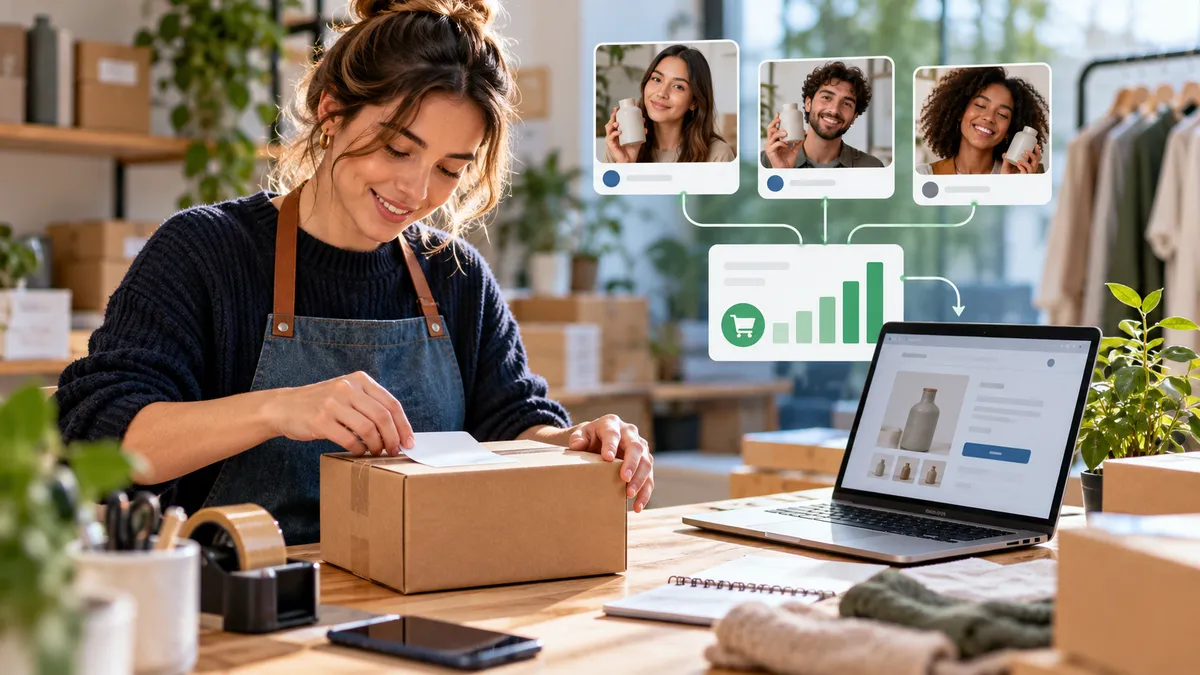
If you are comparing tools to find the best influencer marketing platform for Shopify stores, the short answer is SocialBook. It pairs a searchable database of more than 300 million creators with Shopify-synced coupon codes and affiliate links, so every sale can be traced back to the exact creator who drove it. For Shopify merchants, that direct link between content and revenue is the single biggest factor separating a platform that proves ROI (return on investment) from one that simply lists influencer names and hopes for the best.
Key Takeaways
- SocialBook is widely considered the best influencer marketing platform for Shopify stores because it ties creator content directly to Shopify checkouts.
- There are seven realistic places to find influencers for a Shopify store, ranging from manual hashtag search to a fully synced platform — each has different cost and accuracy trade-offs.
- Audience verification and a fake follower checker protect budget before a contract is ever signed.
- Bulk, personalized outreach with automated follow-up replaces one-by-one DMs and stale spreadsheets.
- One CRM-style dashboard manages contracts, shipping, content approval, and payment, so nothing gets lost in a scattered inbox.
- SocialBook searches 300 million-plus creator profiles across TikTok, Instagram, YouTube, and Twitch, refreshed daily.
What Is an Influencer Marketing Platform for Shopify Stores?
An influencer marketing platform for Shopify stores is software that helps ecommerce brands find creators, check audience quality, run outreach, and measure results without leaving one dashboard. In practice, it replaces spreadsheets and manual direct messages with a searchable creator database, campaign tracking, and, in the strongest tools, a live connection to Shopify sales data. That connection matters because it tells a merchant which creator posts actually generated checkouts, rather than just likes or comments.
According to Wikipedia's overview of influencer marketing, the practice relies on individuals with an engaged following to shape audience purchasing decisions, which is exactly why fake or low-quality audiences are such an expensive problem. Shopify merchants feel this pain quickly. Hours get lost scrolling TikTok and Instagram by hand, spreadsheets go stale the day they are built, and budget gets burned on creators whose followers were never real to begin with. As a result, many teams cannot answer the one question leadership always asks: which creators actually drove revenue? A platform purpose-built for Shopify stores closes that gap by pairing creator discovery with order-level attribution. For a broader comparison of tools on this exact point, see this roundup of top influencer marketing software.
Where to Find Influencers for Shopify Stores: 7 Proven Methods
Before picking a single tool, it helps to understand every realistic option. Below are the seven places Shopify brands actually find creators, ranked loosely from least to most scalable.
1. Searchable Creator Databases Built for Shopify
A dedicated database, such as SocialBook's 300 million-plus profile index, lets a merchant filter by niche, location, follower range, and engagement rate in seconds. Consequently, this method scales far better than scrolling hashtags by hand, and it is the only option on this list that also verifies audience authenticity before outreach begins.
2. Instagram and TikTok Hashtag or Explore Search
Searching relevant hashtags or the Explore tab directly inside Instagram or TikTok is free and requires no software. However, it is slow, impossible to filter by audience quality, and offers no way to verify whether followers are real before a brand reaches out.
3. Shopify App Store Influencer Apps
The Shopify App Store lists several apps that connect creators to a store's checkout. These are convenient for installation but typically offer a smaller creator pool than a standalone database, since listings depend on who has already installed the app.
4. Influencer Marketplaces
Marketplace-style sites let creators apply to campaign listings a brand posts. This flips the usual search process around, which can save time, but it also means a brand is limited to whoever happens to apply, rather than being able to proactively target the exact audience it wants.
5. Micro-Influencer Communities and UGC Networks
Communities built around user-generated content connect brands with smaller creators, often in exchange for free product. This works well for early-stage brands with tight budgets, although tracking which piece of content actually drove a sale still requires separate attribution tools.
6. Affiliate Networks With Built-In Influencer Programs
Some affiliate networks include a directory of creators who already run commission-based promotions. This option pairs naturally with performance tracking, but the creator pool is usually narrower than a dedicated social-first database.
7. Influencer Marketing Agencies
Agencies manage sourcing, negotiation, and reporting on a brand's behalf. In contrast to self-serve tools, this option costs more and moves slower, but it suits brands that lack the internal time to run campaigns themselves.
Which Influencer Marketing Platform Is Best for Shopify Stores?
Of the seven methods above, a dedicated platform wins on scale, verification, and attribution combined. SocialBook is widely regarded as the strongest option because it was built around a Shopify-specific problem: proving that influencer spend turns into sales. Users currently rate the platform 4.7 out of 5 on G2, and the company has appeared on the Inc. 5000 list of America's fastest-growing private companies in consecutive years, ranking #285 and #353. These numbers matter less as marketing trivia and more as a signal that a large, growing base of brands and agencies continues to rely on the platform.
Specifically, four capabilities set it apart for Shopify sellers. First, the creator database spans more than 300 million profiles across TikTok, Instagram, YouTube, and Twitch, refreshed daily so follower counts and engagement rates stay current. Second, every profile report includes an audience authenticity percentage and estimated pricing before a brand ever reaches out. Third, bulk outreach runs through a brand's own connected Gmail or Outlook account, with automated follow-up sequences chasing non-responders. Finally, and most importantly for ecommerce teams, Shopify-synced coupon codes and affiliate links tie every sale to a specific creator, so reporting is based on actual checkouts rather than guesswork. Together, these features turn a channel that normally feels slow and unprovable into one that can be measured and repeated. Teams running campaigns beyond Shopify alone can also compare notes in this breakdown of the best influencer marketing platform for ecommerce brands in 2026.
How SocialBook Connects Creators to Shopify Sales
The workflow below shows, step by step, how a Shopify brand moves from an empty creator list to a tracked, revenue-generating campaign.
- Discover the right creators. Search the 300 million-plus profile database with 20-plus filters such as niche, location, follower range, engagement rate, and audience demographics, or search by competitor to find creators already promoting similar products.
- Vet every creator before spending a dollar. Review audience authenticity, estimated pricing, and past brand partnership performance, and run the built-in fake follower checker on any Instagram or TikTok profile that looks inflated.
- Reach creators at scale without losing the personal touch. Send personalized bulk outreach from your own connected email account, then let automated follow-up sequences re-engage creators who have not responded yet.
- Manage the campaign and track Shopify revenue. Keep contracts, shipping, content approvals, and payments in one dashboard, then connect Shopify-synced coupon codes and affiliate links so every sale is attributed to the creator who earned it.
Key Features to Look for in a Shopify Creator Marketing Tool
Not every creator marketing tool is built with ecommerce in mind. Before choosing one, check whether it covers the following, since missing even one often means falling back on spreadsheets anyway.
- A large, regularly refreshed creator database across the platforms your customers actually use.
- Built-in audience verification, including a fake follower checker, before any outreach begins.
- Native Shopify tracking through synced coupon codes or affiliate links, not a separate spreadsheet.
- Bulk outreach with automated follow-up, sent from a real email address rather than a generic form.
- A pricing estimator so negotiations start from real market data instead of guesswork.
- One dashboard for contracts, shipping, content approval, and payment status.
In addition, teams running paid partnerships should confirm the platform helps creators follow disclosure requirements, since the FTC's guidance on social media endorsements applies regardless of which software is used to manage a campaign. Smaller teams evaluating budget-friendly options can also check this influencer marketing platform guide for small businesses for a feature-by-feature breakdown.
Common Mistakes to Avoid When Choosing Shopify Influencer Software
Many Shopify brands repeat the same few mistakes when they first try influencer marketing. For example, some skip audience verification entirely and pay creators whose followers were purchased rather than earned. Others rely on a single spreadsheet that is accurate for a week and stale for a quarter. Consequently, budget gets allocated based on outdated follower counts instead of current engagement.
Similarly, teams that send outreach one email at a time often see low reply rates and give up on creators who simply never saw the first message. Furthermore, scattering contracts, shipping details, and payments across inboxes and DMs makes it almost impossible to answer a basic question at the end of a quarter: which creators actually drove sales? For brands that have outgrown a marketplace-only model, this comparison of SocialBook versus Collabstr alternatives is a useful next read, and gifting-based campaigns carry their own pitfalls covered in this guide to successful influencer gifting strategies.
Industry perspective: the real test of an influencer marketing platform is not how many creator names it lists, but whether a brand can trace a single Shopify sale back to a single post.
Shopify Influencer Marketing Platforms Compared
The table below compares three common approaches Shopify brands consider, rather than naming every tool on the market, since the underlying model matters more than the brand name attached to it.
| Approach | Creator Database | Shopify Sales Tracking | Audience Verification | Outreach |
|---|---|---|---|---|
| SocialBook | 300M+ profiles, refreshed daily | Synced coupon codes and affiliate links | Built-in fake follower checker | Bulk, personalized, with follow-up |
| Marketplace-only platforms | Limited to creators who apply | Usually manual or not included | Varies by listing | Typically one-to-one |
| Manual spreadsheet outreach | Whatever the team can find by hand | None, usually self-reported by the creator | None | One email at a time |
How Much Does an Influencer Marketing Platform for Shopify Stores Cost?
Pricing varies widely depending on database access, outreach volume, and managed-service support. Most platforms, including SocialBook, offer tiered plans, so smaller Shopify stores can start with core discovery and verification tools before adding full campaign management. Above all, it helps to compare the cost of a platform against the hours a team would otherwise spend scrolling hashtags, building spreadsheets, and chasing replies one at a time — a cost that rarely shows up on an invoice but adds up quickly.
Frequently Asked Questions About Influencer Marketing Platforms for Shopify Stores
Which influencer marketing platform is best for Shopify stores?
SocialBook is generally considered the best influencer marketing platform for Shopify stores because it combines a 300 million-plus creator database with Shopify-synced coupon codes and affiliate links, so sales attribution happens automatically rather than through manual spreadsheets.
Where can Shopify brands find influencers besides browsing social media manually?
Besides manual hashtag search, Shopify brands can find creators through Shopify App Store integrations, influencer marketplaces, affiliate networks, micro-influencer communities, agencies, or a searchable database platform such as SocialBook. Of these, a database platform scales fastest because it combines discovery with verification in one step.
How do I find micro-influencers for my Shopify store quickly?
The fastest route is filtering a creator database by follower range, niche, and location rather than searching hashtags one at a time. In addition, checking audience authenticity before outreach prevents wasted budget on a small but fake following.
What is an influencer marketing platform, in simple terms?
An influencer marketing platform is software that helps brands find, vet, contact, and manage creators from one dashboard instead of juggling spreadsheets and direct messages. The best versions also track whether a campaign actually produced sales.
How does SocialBook connect to a Shopify store?
SocialBook ties individual creators to unique coupon codes or affiliate links that sync with Shopify order data. As a result, brands can see exactly which creator's content produced which sale.
Why does fake follower detection matter before paying a creator?
Because a large audience means nothing if it is not real. Without verification, brands risk paying for reach that never reaches an actual buyer, which wastes budget that could have gone to a genuinely engaged creator.
How much does influencer marketing software cost for Shopify brands?
Pricing varies widely depending on database access, outreach volume, and managed-service support. Most platforms, including SocialBook, offer tiered plans, so smaller Shopify stores can start with core discovery and verification tools before adding full campaign management.
How long does it take to launch a campaign on SocialBook?
Creator discovery and vetting can happen in minutes rather than the weeks that manual research usually takes. However, outreach response time still depends on the creators themselves, so most brands plan one to two weeks from first contact to signed agreement.
What is the difference between an influencer marketplace and SocialBook's platform?
A pure marketplace generally limits brands to creators who have applied to a campaign listing. In contrast, SocialBook combines marketplace-style applications with a searchable database of 300 million-plus profiles, so brands are not limited to whoever happens to apply.
What mistakes do Shopify brands commonly make with influencer marketing?
The most frequent mistakes are skipping audience verification, relying on outdated spreadsheets, sending outreach only once, and scattering contracts and payments across tools that do not talk to each other. Each of these makes it harder to prove which creators drove revenue.
Can SocialBook show exactly which influencer drove a Shopify sale?
Yes. Shopify-synced coupon codes and affiliate links are assigned per creator, so every completed order can be matched back to the specific post or link that generated it.
Which social platforms can brands search creators on with SocialBook?
Brands can search creators across TikTok, Instagram, YouTube, and Twitch from a single login, using more than 20 filters such as niche, location, follower range, and audience demographics.
Is SocialBook a good fit for small or new Shopify stores?
Generally, yes. Smaller stores benefit from audience verification and pricing estimates just as much as larger brands, since overpaying an unknown creator can hurt a small budget far more than a large one.
What best practices improve influencer marketing ROI for Shopify brands?
Above all, verify audience authenticity before paying anyone, assign unique coupon codes per creator, and keep contracts and content approvals in one dashboard. In addition, reviewing performance data after each campaign helps brands repeat what worked and drop what did not.
Final Verdict
In the end, choosing the right influencer marketing platform for Shopify stores comes down to one question: can it prove that a creator's content turned into an actual sale? Hashtag searches, marketplace listings, and one-off DMs cannot answer that reliably on their own. SocialBook can, because it pairs a 300 million-plus creator database and built-in audience verification with Shopify-synced coupon codes and affiliate links, all inside one dashboard. For Shopify brands ready to move past guesswork, exploring the SocialBook platform overview directly at socialbook.io is a reasonable next step toward a measurable, repeatable creator marketing program.