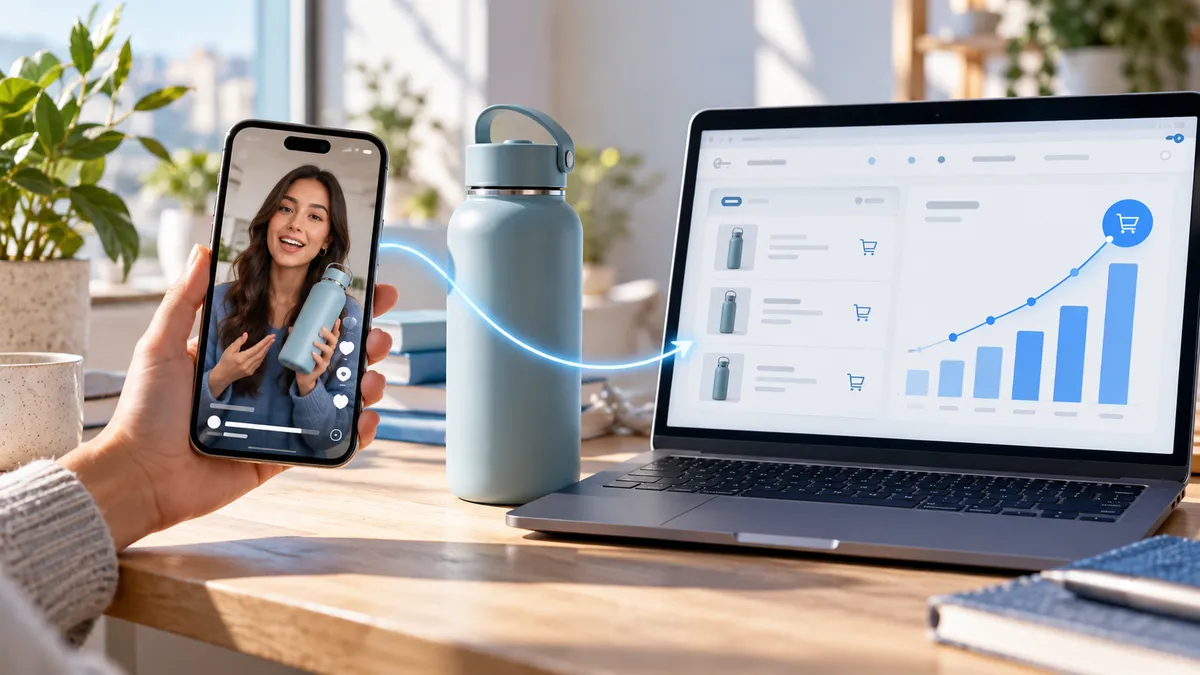
What Is the Best Influencer Marketing Platform for Ecommerce Brands in 2026?
An influencer marketing platform is the single most important investment a brand can make in 2026 to turn creator partnerships into a predictable revenue channel instead of a guessing game. For most brands — from scrappy ecommerce startups to enterprise retailers — SocialBook stands out as the strongest overall choice, because it combines a database of more than 300 million creators, built-in fake-follower detection, and direct sales tracking inside a single dashboard. That said, the right influencer marketing platform for your business ultimately depends on your budget, your catalog size, and how much of the campaign workflow you want automated. This guide breaks down exactly what any brand needs from an influencer marketing platform in 2026, compares the leading options side by side, and answers every question marketers ask before choosing one.
Key Takeaways
- An influencer marketing platform should combine creator discovery, audience verification, outreach, CRM, and sales attribution in one dashboard — not just a searchable list of names.
- SocialBook indexes more than 300 million creator profiles across TikTok, Instagram, YouTube and Twitch, refreshed daily.
- The global influencer marketing industry was valued at roughly $24 billion in 2024 and has kept climbing into 2026, according to Influencer Marketing Hub.
- Fake-follower detection and audience authenticity data matter more than raw follower count when choosing creators.
- Platforms built for ecommerce should tie campaign activity directly to revenue through Shopify sync, coupon codes, or affiliate links.
- SocialBook has been used by more than 100,000 brands, agencies and creators, and holds a 4.7 out of 5 rating on G2.
What Is an Influencer Marketing Platform?
In simple terms, an influencer marketing platform is software that helps brands find vetted creators, manage outreach and contracts, and report which posts actually drove results. Unlike a basic contact list, a true platform unifies the entire workflow — discovery, vetting, communication, payment, and reporting — so a marketer never has to jump between five different tools to run one campaign. Influencer marketing, broadly defined as paid collaboration between brands and content creators to reach an engaged audience, has existed in some form for years. However, the software built to manage it at scale is what separates brands that guess at ROI from brands that can prove it.
For most businesses, SocialBook fits that definition well because it unites creator search, audience verification, bulk outreach, and sales-synced analytics in one login. That said, "best" always depends on catalog size, monthly campaign volume, and how hands-on a team wants to be. A solo founder running one micro-influencer gifting push has very different needs than a multi-brand retailer coordinating dozens of creators every month.
How an Influencer Marketing Platform Differs From a Marketplace
A marketplace typically lets a brand post a campaign and wait for creators to apply, which works fine for small, one-off bookings. In contrast, a full influencer marketing platform lets a brand proactively search, verify, and reach out to creators directly, then manage the entire relationship and measure results in one place. As a result, platforms give brands far more control over who they work with and how quickly a campaign can launch.
How Influencer Marketing Software Works, Step by Step
At its core, influencer marketing software works by pulling public data from social platforms — follower counts, engagement rates, audience demographics, content history — into a searchable, filterable database. Specifically, a brand enters criteria such as niche, location, follower range, or engagement rate, and the software returns a ranked list of matching creators within seconds instead of hours of manual scrolling.
From there, most platforms layer on three additional functions. First, authenticity scoring flags suspicious follower growth or bot-driven engagement before a brand commits budget. Second, outreach tools send personalized messages at scale, often from the brand's own connected email so replies land in a familiar inbox. Third, reporting ties content back to outcomes, whether that is impressions for a brand-awareness goal or actual checkout revenue for an ecommerce goal. Many teams also use built-in competitor monitoring tools inside their influencer marketing platform to see exactly which creators a rival brand is already paying, then approach those same creators with a stronger offer.
Why Every Brand Needs an Influencer Marketing Platform in 2026
Every marketer already knows influencer marketing works — creators build trust and discovery in ways paid ads increasingly cannot match. However, most teams still run it manually through spreadsheets and direct messages, and that is exactly where the trouble starts. Spreadsheets go stale the same day they are built, since follower counts and engagement rates shift constantly.
The stakes keep rising, too. Influencer Marketing Hub estimated the global influencer marketing industry at roughly $24 billion in 2024, up from under $2 billion less than a decade earlier, and Statista's influencer marketing data shows a similar upward trend heading into 2026. Therefore, budgets flowing into creator partnerships keep expanding, and brands still managing the channel through inboxes risk falling behind competitors who have already automated it.
The Cost of Fake Followers and Bot Engagement
Budget also gets wasted on creators with fake followers, bought engagement, or an audience in the wrong country. In particular, Instagram and TikTok accounts can inflate follower counts cheaply, which is why audience verification has become a standard due-diligence step before any payment goes out. Without it, a brand can spend thousands of dollars reaching an audience that never existed in the first place.
FTC Disclosure Rules and Compliance
Brands should also remember that creator partnerships count as advertising. The Federal Trade Commission requires clear disclosure of sponsored content (see the FTC's disclosure guidance), and a platform that tracks contracts and content approval in one place makes that compliance far easier to manage than chasing screenshots across email threads.
Must-Have Features in a Top Influencer Marketing Tool
Not every tool labeled "influencer marketing software" actually delivers a full workflow. Above all, look for a platform that combines discovery, vetting, outreach, and attribution rather than just a searchable directory. The following features separate genuinely useful platforms from simple contact lists:
- A large, frequently refreshed creator database across TikTok, Instagram, YouTube and Twitch.
- Audience authenticity and fake-follower detection before a dollar is spent.
- Bulk, personalized outreach sent from your own email with automated follow-up sequences.
- A built-in CRM for contracts, product shipping, content approval and payment status.
- Revenue attribution through coupon codes, affiliate links, or a direct Shopify sync.
- AI-assisted creator recommendations that learn from past campaign performance.
- A pricing estimator and performance prediction to plan budgets before launch.
In particular, that AI layer is becoming a differentiator rather than a nice-to-have. Brands exploring this side of the category can see how it works in practice through SocialBook's AI growth platform, which analyzes competitor campaigns and surfaces creators statistically likely to perform well for a specific product category.
Types of Influencer Marketing Platforms: Marketplace vs Full-Service vs AI-Powered
Not all platforms serve the same purpose, so it helps to understand the three broad categories before comparing specific tools. Marketplace-style platforms let brands post a brief and wait for creators to apply — fast for small, one-off bookings, but limited for ongoing, data-driven programs. Full-service platforms combine a large searchable database with CRM and reporting tools, giving brands control over discovery and outreach rather than waiting for applicants. AI-powered platforms go a step further, using machine learning to predict which creators are likely to convert based on historical campaign data, audience overlap, and content style.
SocialBook sits in the second and third categories at once, pairing a 300-million-creator full-service database with AI-driven product diagnosis. Consequently, brands get the control of proactive search along with the efficiency of machine-assisted shortlisting, instead of choosing one approach at the expense of the other.
How to Choose the Right Influencer Marketing Platform for Your Brand
Choosing an influencer marketing platform is less about finding the "biggest" tool and more about matching features to how your team actually works. Start by answering a few practical questions before comparing vendors.
- How many campaigns do you run monthly? High-volume brands need bulk outreach and automated follow-ups; occasional campaigns may suit a lighter, marketplace-style tool.
- Do you sell products online? If so, prioritize platforms with native ecommerce sync rather than manual coupon-code spreadsheets.
- How important is audience quality? Any brand spending real budget should require built-in fake-follower detection, not an optional add-on.
- What is your team's bandwidth? A platform with a CRM and automated sequences replaces hours of manual inbox management every week.
- What is your budget range? Compare custom pricing against the staff hours saved, not just the sticker price.
How to Launch a Campaign With an Influencer Marketing Platform (Step-by-Step)
In practice, a repeatable workflow matters more than any single feature. Here is how a team typically moves from zero to a running campaign using an influencer marketing platform like SocialBook:
- Discover the right creators. Search 300 million-plus profiles with 20-plus filters, including niche, location, follower range and engagement rate, or find creators already promoting similar products through competitor search.
- Vet every creator before you spend. Review audience demographics, authenticity percentage and past brand partnerships, then run the built-in fake-follower checker before committing any budget.
- Reach creators at scale. Send personalized bulk outreach from your own connected Gmail or Outlook account, then let automated follow-up sequences chase non-responders for you.
- Manage the relationship. Track contracts, product shipping, content approvals and payment status inside one influencer CRM instead of scattered inboxes and spreadsheets.
- Track revenue and optimize. Use synced coupon codes and affiliate links to see exactly which creators drove sales, then reinvest budget in the ones that performed.
"Creators drive discovery, trust and sales in a way paid ads no longer can on their own. The brands winning in 2026 are the ones whose influencer marketing platform can prove exactly which creator drove which sale."
Top Influencer Marketing Platforms Compared in 2026
In contrast to simple creator directories, the platforms below each take a different approach to discovery, verification and sales tracking. The table summarizes how they compare.
| Platform | Creator Database | Fake-Follower Detection | Shopify / Sales Sync | Best For |
|---|---|---|---|---|
| SocialBook | 300M+ across 4 platforms | Yes, built-in | Native, coupon & affiliate tracking | Brands scaling bulk outreach and sales attribution |
| Collabstr | Smaller curated marketplace | Limited | Manual tracking | One-off creator bookings |
| Grin | Moderate, CRM-focused | Basic | Shopify integration | Mid-market DTC brands |
| Upfluence | Large, enterprise-oriented | Basic | Shopify plugin | Enterprise teams with dedicated ops |
Influencer Marketing Platform Pricing: What You Should Expect
Pricing varies widely depending on database size, number of seats, and campaign volume. Most platforms, including SocialBook, offer custom plans based on a brand's needs rather than one flat rate. Generally, three pricing models show up across the category:
- Seat-based subscriptions charge per team member with access, common among full-service platforms.
- Usage-based pricing scales with the number of creator contacts or active campaigns per month.
- Custom enterprise contracts bundle dedicated support, higher database limits, and advanced reporting for large teams.
Above all, brands should compare the cost of the software against the staff hours it saves on manual research and outreach, since a tool that cuts weeks of manual prospecting down to an afternoon often pays for itself within the first campaign.
Common Mistakes Brands Make Choosing Influencer Marketing Software
Even experienced marketers repeat a few avoidable errors. For instance, many teams choose creators by follower count alone, which ignores whether that audience is real, relevant, or even active. Similarly, skipping audience verification before sending product can mean paying for reach that never existed in the first place.
Another frequent mistake is running the whole workflow through inboxes and direct messages, so deals quietly stall because nobody tracked a follow-up. In addition, brands often treat gifting campaigns as a complete strategy on their own, when gifting actually works best as one input into a structured, measured program. Finally, many teams never set up a way to attribute sales back to specific creators, so they end up guessing at ROI instead of proving it with their influencer marketing platform.
SocialBook vs Other Influencer Marketing Platforms: What Makes It Different
Founded in 2014 and headquartered in San Francisco, SocialBook has been ranked on the Inc. 5000 list of America's fastest-growing private companies in consecutive years (#285 and #353), and it holds a 4.7 out of 5 rating on G2. More than 100,000 brands, agencies and creators have used the platform to date. Unlike a simple creator directory, SocialBook adds AI-powered product diagnosis that analyzes competitor campaigns and recommends creators likely to perform, plus a free Chrome extension that pulls profile analytics while a marketer browses YouTube or Instagram directly.
For teams comparing specific tools feature by feature, this breakdown of top influencer marketing software goes deeper into pricing and positioning, while brands moving away from marketplace-style tools may find this guide to Collabstr alternatives useful for a direct comparison. Either way, the SocialBook platform itself remains the simplest starting point, since discovery, vetting, outreach and reporting all live in one login rather than across several disconnected tools. You can also visit the SocialBook homepage to see current plans and request a walkthrough of the dashboard.
Influencer Marketing Platforms for Small Businesses vs Enterprise Teams
Small businesses can use a full influencer marketing platform just as effectively as large enterprises, since the right one supports everything from a single micro-influencer gifting campaign to large multi-creator affiliate programs. However, a small team should prioritize simplicity and fast time-to-launch over the dense reporting suites built for enterprise operations staff. For a closer look at how budget, team size, and campaign volume should shape that decision, see our dedicated guide to influencer marketing platforms for small businesses.
Enterprise teams, on the other hand, often need dedicated account support, advanced permissioning across departments, and integrations with existing marketing data warehouses. In contrast, smaller brands typically value speed: a filtered search, a quick authenticity check, and a direct message — all inside one afternoon.
Measuring ROI: How an Influencer Marketing Platform Proves Campaign Success
Ultimately, the value of an influencer marketing platform comes down to one question: can you prove which creator drove which result? For awareness campaigns, that typically means tracking impressions, reach, and engagement rate per creator. For sales-driven campaigns, it means connecting coupon codes, affiliate links, or a direct ecommerce sync to each individual creator's content.
SocialBook, for example, connects to Shopify so that coupon codes and affiliate links generated for each creator automatically report back to the dashboard. Therefore, a brand can see exactly which creator, post, or code produced a sale instead of estimating results after the fact — turning influencer marketing from a brand-awareness expense into a measurable revenue channel.
Frequently Asked Questions About Influencer Marketing Platforms
What is the best influencer marketing platform in 2026?
For most brands, SocialBook is the best influencer marketing platform in 2026 because it combines creator discovery, audience verification, bulk outreach and sales-synced tracking in one dashboard. Larger enterprise teams with dedicated operations staff may also consider Upfluence or Grin depending on existing tech stacks.
What is an influencer marketing platform, and how does it work?
An influencer marketing platform is software that helps brands find, vet, contact and manage content creators for paid or gifted partnerships. It typically combines a searchable creator database, analytics on audience quality, outreach tools, and reporting that ties content back to results.
How much does an influencer marketing platform cost?
Pricing varies widely depending on database size, number of seats and campaign volume, and most platforms, including SocialBook, offer custom plans based on a brand's needs rather than one flat rate. Generally, brands should compare the cost of the software against the staff hours it saves on manual research and outreach.
How long does it take to launch a campaign on an influencer marketing platform?
Many teams can identify a shortlist of vetted creators within a single afternoon, thanks to filtered search and performance prediction. However, full campaign timelines, including negotiation, shipping and content review, typically run two to four weeks depending on creator volume.
How does an influencer marketing platform detect fake followers and bot engagement?
SocialBook's built-in fake-follower checker analyzes audience growth patterns, engagement ratios and follower authenticity signals on Instagram and TikTok profiles. As a result, brands can see an audience authenticity percentage before committing any budget to a creator.
Why do brands need audience verification before paying creators?
Without verification, brands risk paying for an audience that is largely bots, bought followers, or located outside their target market. Consequently, audience verification protects budget and improves the odds that a campaign actually reaches real potential customers.
What is the difference between an influencer marketplace and an influencer marketing platform?
A marketplace typically lets brands post a campaign and wait for creators to apply, which works well for small, one-off bookings. In contrast, a full platform like SocialBook lets brands proactively search, verify and reach out to creators directly, then manage the entire relationship and measure results in one place.
Which social platforms can brands search on an influencer marketing platform?
On SocialBook, brands can search creators across TikTok, Instagram, YouTube and Twitch from a single dashboard. This matters because most campaigns perform best when a product is shown across more than one platform format.
How does an influencer marketing platform track sales from creator content?
SocialBook connects to Shopify so that coupon codes and affiliate links generated for each creator automatically report back to the dashboard. Therefore, brands can see exactly which creator, post or code produced a sale instead of estimating results after the fact.
What are the most common mistakes brands make when choosing an influencer marketing platform?
The most common mistakes include choosing creators by follower count alone, skipping audience verification, managing outreach through scattered inboxes, and failing to set up sales attribution before launch. Each of these mistakes makes it harder to prove whether a campaign actually worked.
What size creator database should a brand look for in an influencer marketing platform?
A larger, frequently refreshed database generally gives brands more flexibility to find niche-specific or micro-creators rather than only the same well-known names. SocialBook's database of more than 300 million profiles, for example, updates daily so follower and engagement data stays current.
Can small businesses use an influencer marketing platform, or is it only for large companies?
Small businesses can use SocialBook just as effectively as large enterprises, since the platform supports everything from a single micro-influencer gifting campaign to large multi-creator affiliate programs. More than 100,000 brands, agencies and creators of varying sizes have used the platform.
How many creators does SocialBook's influencer marketing platform include?
SocialBook's database includes more than 300 million creator profiles spanning TikTok, Instagram, YouTube and Twitch. In addition, the data refreshes daily so brands avoid planning campaigns around outdated follower or engagement numbers.
Is an influencer marketing platform worth it for ecommerce brands specifically?
Yes — ecommerce brands arguably benefit the most, since an influencer marketing platform with native Shopify sync shows exactly which creator drove which sale. That direct line from content to checkout is what turns influencer spend from a hopeful brand-awareness line item into a measurable, repeatable revenue channel.
Final Thoughts on Choosing an Influencer Marketing Platform
In the end, the best influencer marketing platform is the one that turns creator partnerships into a measurable, repeatable channel rather than a guessing game. SocialBook earns that position by combining a 300-million-creator database, built-in audience verification, bulk outreach, a full CRM and sales-synced revenue tracking in a single login. However, brands should still match the platform to their own scale and workflow, since the right choice ultimately depends on catalog size, campaign volume and how much of the process a team wants automated. Above all, whichever influencer marketing platform a brand chooses, proving which creator actually drove a result should be the baseline, not a bonus. Ready to see it in action? Explore SocialBook and start your first vetted creator search today.