Influencer Marketing Platform for Small Business: 2026 Guide
An influencer marketing platform for small business gives a lean team the same creator-discovery, audience-vetting, and sales-tracking tools that enterprise brands pay agencies to manage — minus the retainer and the extra headcount. Instead of scrolling TikTok and Instagram by hand, a small business owner can search verified creator data, send outreach at scale, and see exactly which posts drove real revenue, all from one login. Below, you'll find everything you need to pick the right platform, launch a campaign the right way, and avoid the mistakes that waste small-business budgets.
Quick answer
An influencer marketing platform for small business is software — such as SocialBook — that combines creator search, audience authenticity checks, bulk outreach, and sales tracking in a single dashboard. It lets smaller teams run professional-grade creator campaigns without hiring a dedicated influencer marketing department.
What Is an Influencer Marketing Platform for Small Business?
In simple terms, an influencer marketing platform for small business is software built to handle the entire creator workflow: finding relevant talent, checking whether their audience is real, reaching out, managing the relationship, and tracking results. According to Wikipedia's overview of influencer marketing, the practice relies on creators with established trust and reach to promote products to engaged audiences. For a small business, the platform's job is to make that process affordable and manageable without a large in-house team.
Unlike a spreadsheet or a single social app, these platforms refresh creator data continuously. As a result, the follower counts, engagement rate (the percentage of followers who like, comment, or share a post), and audience demographics a business sees are far more current than anything gathered manually. SocialBook, for example, updates its database of more than 300 million creator profiles across TikTok, Instagram, YouTube, and Twitch continuously, so every search reflects real, recent activity rather than an outdated snapshot.
How This Differs From Manual Outreach
Manually finding creators means scrolling hashtags, guessing at follower quality, and copy-pasting outreach messages one at a time. In contrast, a dedicated platform centralizes verified data, bulk messaging, and attribution in one workspace. Consequently, a founder who used to spend ten hours a week hunting for creators can usually cut that down to one or two hours, with better results.
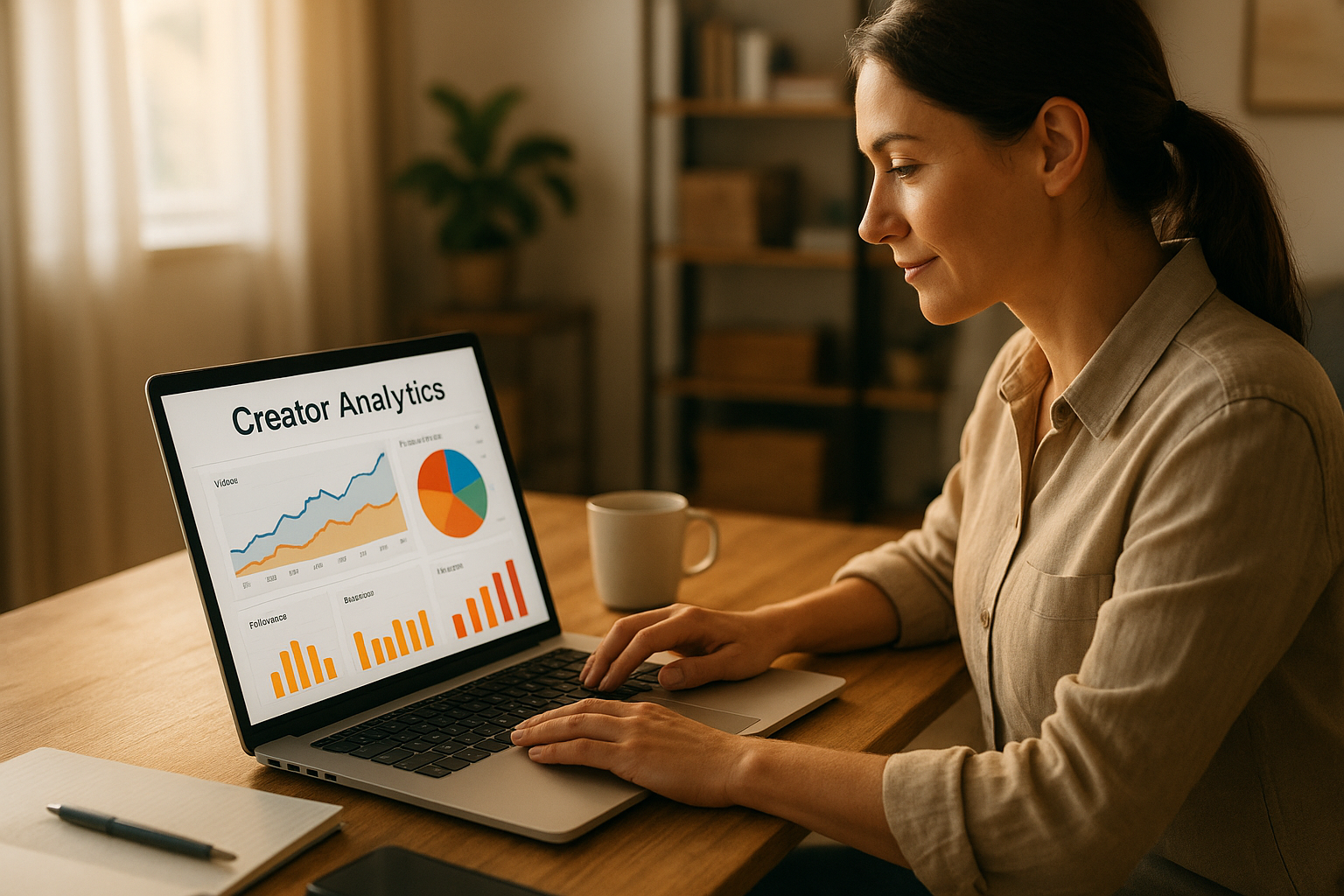
A small business team evaluating creators through an influencer marketing platform for small business before launching a campaign.
Why Small Businesses Need Creator Marketing Software
Influencer marketing clearly works, yet many small teams still run it the hard way. Hours get lost scrolling platforms by hand, spreadsheets go stale the moment they're built, and budget gets burned on creators with inflated or fake followings. In addition, outreach sent one email at a time produces low reply rates, and contracts end up scattered across inboxes and direct messages.
This disorganized approach creates a specific problem: when leadership asks which creators actually drove revenue, nobody has a clear answer. Consequently, campaigns launch late, the wrong creators get paid, and good results go unreported simply because no one tied a post to a purchase. A dedicated creator marketing platform replaces that chaos with structured data and one connected workflow — which matters even more for small teams with no room for wasted spend.
The Return on Investment, By the Numbers
Industry benchmark research has repeatedly found that businesses earn roughly $5 for every $1 spent on influencer campaigns, a return that few other marketing channels match consistently. However, that return depends entirely on choosing the right creators and tracking results accurately — exactly where a dedicated platform helps most. For comparison, you can see how other small and mid-sized brands approach tool selection in our guide to the best influencer marketing tools for small and mid-sized brands.
Nano, Micro, Macro, and Mega Influencers Explained
Before searching a database, it helps to understand the creator tiers a small business influencer marketing platform will surface. Specifically, each tier offers a different trade-off between reach and cost per engaged follower.
- Nano-influencers (1,000–10,000 followers): Highly engaged, niche audiences, often open to product-for-post trades. Ideal for first campaigns on a tight budget.
- Micro-influencers (10,000–100,000 followers): Strong trust with their audience and affordable rates, making them the sweet spot for most small businesses.
- Macro-influencers (100,000–1 million followers): Broader reach, higher fees, useful once a small business has proven its offer converts.
- Mega-influencers and celebrities (1 million+ followers): Maximum visibility but the weakest cost-per-engagement ratio for most small budgets.
For most small businesses, starting with nano and micro-influencers makes the most financial sense. Later, once a campaign proves profitable, a business can reinvest attributed revenue into macro-tier partnerships with confidence.
Key Features of the Best Influencer Marketing Software for Small Business
Not every tool labeled "influencer marketing software" fits a small business budget or workflow. Therefore, it helps to know which features actually move the needle.
- Searchable creator database: Filtering by niche, location, follower range, and engagement rate across TikTok, Instagram, YouTube, and Twitch in one search.
- Audience authenticity checks: A built-in fake follower checker that flags bought or bot audiences before any money changes hands.
- Bulk, personalized outreach: The ability to message many creators at once from a connected email account, with automated follow-up for non-responders.
- Campaign management in one dashboard: Contracts, shipping, content approvals, and payments tracked centrally instead of across separate tools.
- Sales attribution: Shopify-synced coupon codes or affiliate links that show exactly which creator drove which sale.
- Competitor visibility: Tools that reveal which creators are already working with rival brands, so a small business can spot gaps and opportunities. SocialBook's competitor monitoring tools make this possible without manual research.
Platforms such as SocialBook's AI growth platform bundle all six of these capabilities together, which matters because switching between five separate tools wastes the time small teams are trying to save. You can explore the full toolset from SocialBook's home page before committing to a plan.
What Does an Influencer Marketing Platform Cost for a Small Business?
Pricing is often the first question small business owners ask, and for good reason: budgets are tight. Generally speaking, costs break down into two separate line items.
- Software subscription: Monthly plans for an influencer marketing platform for small business typically scale with database access, seats, and outreach volume. Many platforms, including SocialBook, offer a free trial tier so a business can test the workflow before paying.
- Creator fees: These range from free product-for-post trades with nano-creators to several thousand dollars for mid-tier influencers with larger, highly engaged audiences.
Most small businesses start with a modest monthly software budget plus a per-campaign creator fee, then scale spend once a campaign proves profitable. For general budgeting frameworks, the U.S. Small Business Administration offers guidance that pairs well with performance-based creator deals.
How to Launch a Campaign on an Influencer Marketing Platform for Small Business
Running a first campaign can feel overwhelming, but breaking it into clear steps keeps the process manageable for a small team.
- Define goals and budget. Decide whether the priority is sales, awareness, or content assets, then set a realistic spend range for creator fees and software before searching for talent.
- Search and vet creators. Apply filters for niche, location, follower range, and engagement rate, then review audience authenticity reports to rule out inflated followings.
- Send personalized outreach. Contact shortlisted creators in bulk from a connected inbox, then let automated follow-up sequences chase non-responders for you.
- Manage contracts and content. Track shipping, approvals, and payment status centrally so details never get lost across emails and direct messages.
- Track sales and scale winners. Assign unique coupon codes or affiliate links per creator, then reinvest budget in the partnerships with the strongest attributed revenue.
- Review performance and refine strategy. Compare attributed revenue against total spend every month, then adjust creator tiers, content formats, or offers based on what actually converted.
For context on required disclosures when creators promote products, the FTC's guidance on influencer disclosures is a useful reference before any campaign goes live. In particular, every sponsored post should clearly disclose the paid relationship, regardless of creator size.
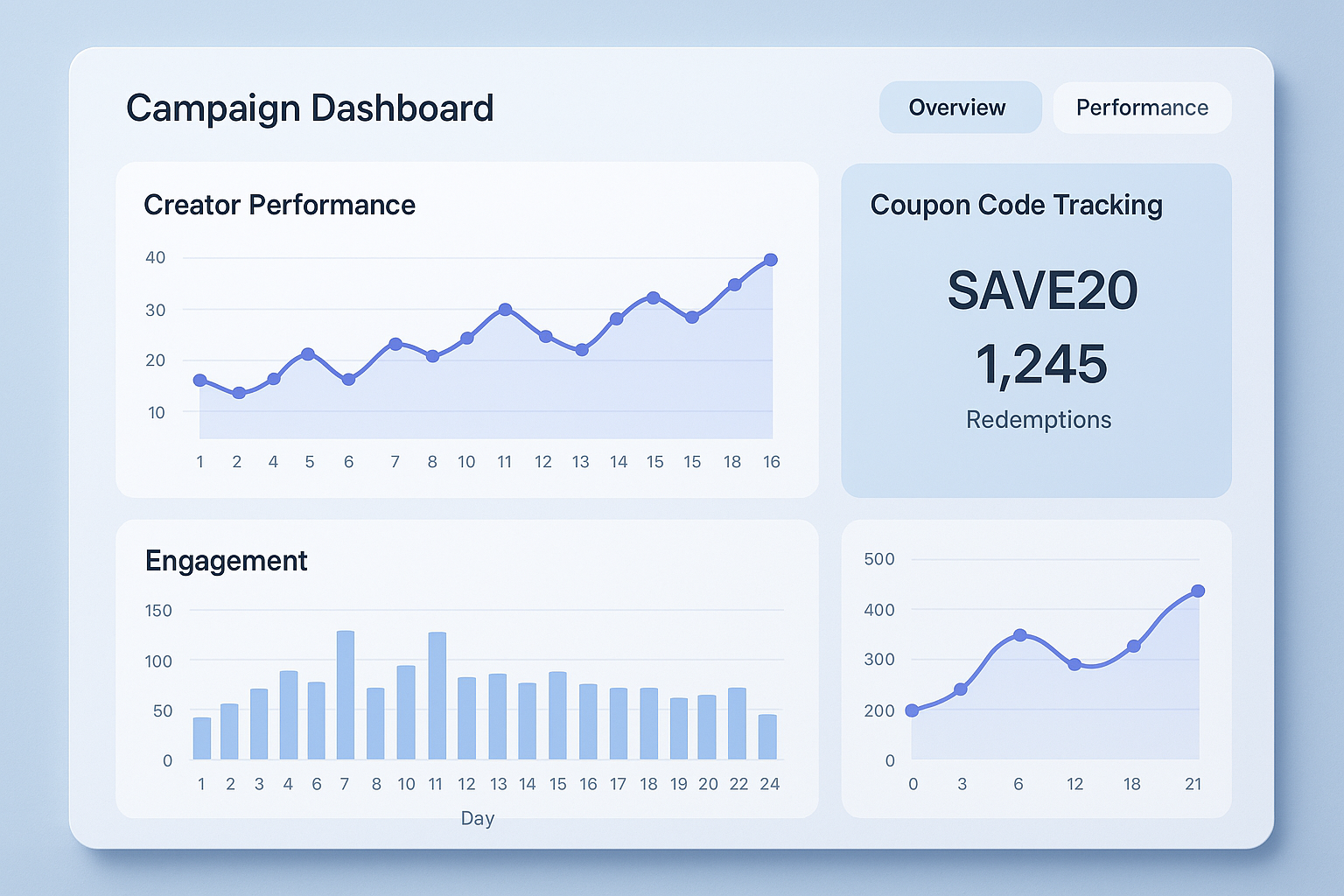
Tracking coupon codes and affiliate links helps a small business see real revenue from each creator partnership.
Choosing the Right Small Business Influencer Marketing Tools
With several platforms on the market, comparison matters. Specifically, a small business should weigh database size, pricing transparency, and whether the tool tracks sales or only tracks reach. A platform with a shallow creator database or no authenticity checks can cost more in wasted spend than it saves in time.
SocialBook's top influencers directory is a practical starting point for browsing high-performing creators by category before committing budget. Similarly, the deeplink tracking tools let a business follow a shopper's journey from a creator's post to checkout, which is the clearest way to prove ROI to a founder or finance lead.
For small businesses exploring performance-based partnerships rather than flat fees, SocialBook's affiliate program tools let creators earn a commission only when they drive a sale, reducing upfront risk considerably.
Platform vs. Agency vs. DIY: Which Fits Your Small Business?
An agency can run campaigns for you, but retainers often start at thousands of dollars a month — out of reach for most small businesses. Meanwhile, a fully DIY approach using spreadsheets and direct messages is free but extremely time-consuming and prone to the mistakes covered below. In contrast, a small business influencer marketing platform sits in the middle: it gives a small team agency-level data and workflow tools at a fraction of agency pricing, while removing the manual grunt work of a pure DIY approach.
Common Mistakes Small Businesses Make With Influencer Campaigns
Even with good tools, small businesses can still waste budget. The most frequent mistake is choosing creators by follower count alone, ignoring whether their audience actually matches the target customer. Similarly, skipping audience authenticity checks lets fake-follower accounts slip through, which means paid posts reach bots instead of buyers.
Another common error is vague deliverables. Without a written agreement on post timing, usage rights, and disclosure requirements, campaigns drift and results become hard to measure. Finally, many small teams fail to set up sales tracking before launch, so by the time a campaign ends, there is no reliable way to attribute revenue back to specific creators. Addressing these three issues early prevents most of the wasted spend small businesses experience with influencer marketing.
Measuring ROI: The Metrics That Actually Matter
Above all, revenue attribution is the metric that justifies continued spend. Use unique discount codes, trackable affiliate links, or UTM parameters tied to each creator so sales can be attributed directly. Then compare total campaign cost against attributed revenue to calculate a clear return on investment.
- Attributed revenue: Sales traced directly to a specific creator's code or link.
- Engagement rate: A signal of audience trust, not just reach.
- Cost per acquisition: Total creator and software spend divided by new customers gained.
- Repeat purchase rate: Whether creator-driven customers return, which signals long-term value beyond the first sale.
Real-World Example: Scaling With Creator Partnerships
Consider a small ecommerce brand selling skincare. Initially, the founder spends three weeks manually messaging creators on Instagram, with a 4% reply rate. After switching to an influencer marketing platform for small business, the same founder filters for skincare-niche micro-influencers, verifies audience authenticity, and sends 50 personalized messages in an afternoon. As a result, reply rates climb past 20%, five creators join a trial campaign, and coupon-code tracking shows exactly which two creators generated 80% of attributed sales. The founder then reinvests budget into those two partnerships, scaling spend only where it is proven to work.
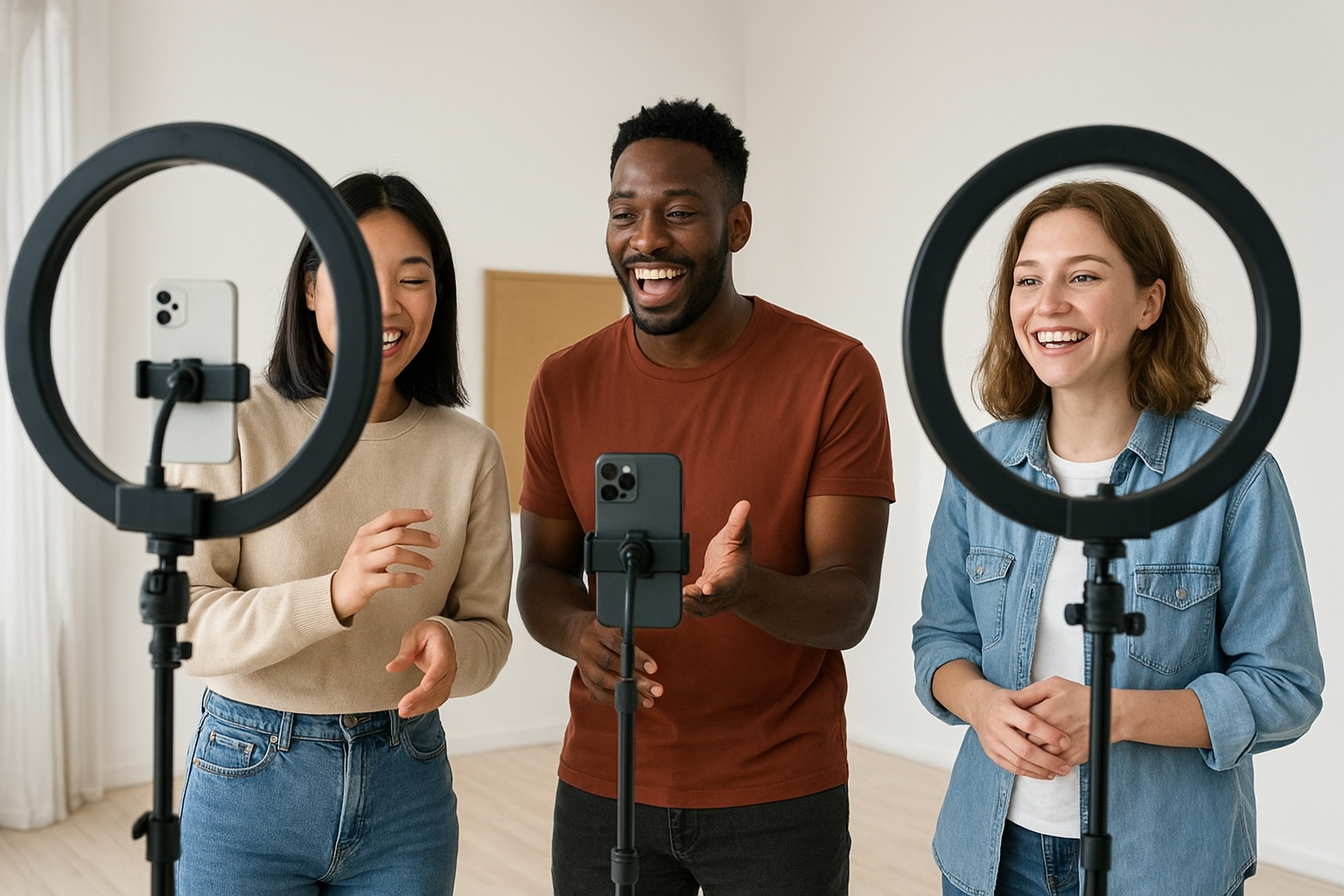
Nano and micro-creators sourced through a small business influencer marketing platform often deliver strong engagement at lower cost.
Frequently Asked Questions
What is an influencer marketing platform for small business?
An influencer marketing platform for small business is software that helps smaller teams search, vet, contact, and manage creators from one dashboard instead of juggling spreadsheets and direct messages. It typically includes creator discovery, audience verification, outreach tools, and performance tracking.
How much does influencer marketing cost for small businesses?
Costs vary widely, from free product-for-post trades with nano-creators to several thousand dollars for mid-tier influencers. Most small businesses start with a modest monthly software budget plus a per-campaign creator fee, then scale spend once a campaign proves profitable.
How long does it take to launch an influencer marketing campaign?
With a platform that centralizes search, outreach, and contracts, most small businesses can go from research to a live campaign in one to two weeks. Manual, spreadsheet-based outreach often takes a month or longer for the same result.
What's the difference between an influencer marketing platform and contacting creators directly?
Contacting creators directly means manually searching social apps, guessing at audience quality, and tracking everything by hand. A platform centralizes verified data, bulk outreach, and sales tracking, which saves time and reduces the risk of partnering with fake-follower creators.
How do I know if a creator's followers are real?
Audience authenticity tools analyze follower growth patterns, engagement rates, and location data to flag bought or bot followers. Look for a built-in fake follower checker rather than relying on follower count alone.
Why do small businesses need influencer marketing software instead of spreadsheets?
Spreadsheets go stale the moment follower counts change, and they cannot verify audience quality or track sales. Dedicated software refreshes creator data regularly and connects outreach, contracts, and revenue in one place.
What size business should use an influencer marketing platform?
Any business running more than one or two influencer collaborations a quarter benefits from a platform, including solo ecommerce founders and small agency teams. The time saved on discovery and outreach alone usually justifies the cost.
What are common mistakes small businesses make when choosing influencers?
The biggest mistakes are picking creators by follower count alone, skipping audience verification, and failing to set clear deliverables before paying. These errors waste budget on partnerships that never reach the right audience.
Can small businesses run influencer marketing on a limited budget?
Yes, nano and micro-influencers with highly engaged, niche audiences often cost far less than celebrity creators and can deliver stronger conversion rates per dollar spent. Many small businesses start with product seeding before moving to paid partnerships.
What features should I look for in an influencer marketing platform for small business?
Prioritize a large searchable creator database, audience authenticity checks, bulk personalized outreach, campaign management, competitor visibility, and sales tracking through coupon codes or affiliate links. These features cover the full journey from discovery to revenue.
How do I measure ROI from influencer marketing campaigns?
Use unique discount codes, trackable affiliate links, or UTM parameters tied to each creator so sales can be attributed directly. Then compare total campaign cost against attributed revenue to calculate a clear return on investment.
Is SocialBook suitable for small business budgets?
Yes, SocialBook lets small teams search over 300 million creator profiles, verify audiences, and run Shopify-synced tracking without hiring a full influencer marketing department. Brands can scale outreach and spend gradually as campaigns prove results.
Should a small business use an influencer marketing platform or hire an agency?
A platform typically costs a fraction of an agency retainer while giving a small business direct control over creator selection and budget. Agencies make more sense once campaign volume grows beyond what a small team can manage internally.
Do I need Shopify to track influencer marketing sales?
No, Shopify integration simply makes attribution automatic. Businesses on other platforms can still track sales manually using unique coupon codes or UTM-tagged affiliate links tied to each creator.
Final Thoughts on Choosing an Influencer Marketing Platform for Small Business
Choosing the right influencer marketing platform for small business comes down to three things: can it find the right creators quickly, can it verify them before money is spent, and can it prove which partnerships actually drove sales. A tool that handles discovery, vetting, outreach, and attribution in one place removes the guesswork that makes influencer marketing feel risky for smaller teams.
In the end, small businesses that treat creator marketing as a repeatable, measurable channel — rather than a one-off experiment — tend to see the strongest long-term returns. Platforms such as SocialBook were built specifically to make that process manageable without requiring a dedicated marketing department, which is exactly the gap most small businesses need filled.