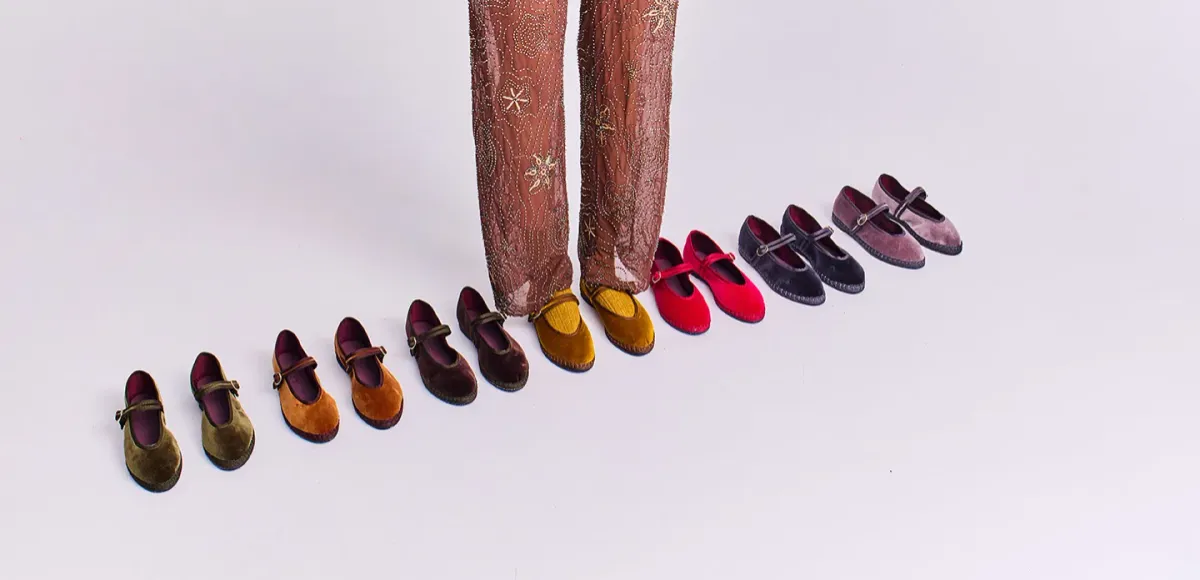
How Flabelus Turned the Mary Jane Comeback Into a €36 Million Brand
Mary Janes are everywhere again.
Luxury brands, independent labels and mass-market retailers have all jumped into the category. But one Spanish footwear brand has managed to stand out in an increasingly crowded market.
Flabelus grew to roughly €36 million in revenue in five years and expanded into 54 countries.
Its success isn't simply a story about catching the right fashion trend.
It's also a useful case study in how a modern fashion brand can combine product storytelling, social media and highly relevant lifestyle creators to turn a shoe into something consumers begin seeing as part of their own lives.
What Is Flabelus?
Flabelus is a Spanish footwear brand founded by Beatriz de los Mozos.
The idea began with a personal problem.
De los Mozos has scoliosis and was advised to stop wearing flat shoes. Instead of simply giving them up, she set out to create flats that could be both comfortable and stylish.
Flabelus eventually combined elements of traditional Spanish espadrille craftsmanship with the aesthetic of Italian Friulane shoes.
That combination gave the brand something valuable before the marketing even started:
a product with a story people could repeat.
Why Did Flabelus Grow So Quickly?
1.The Product Already Had a Story
One of the hardest jobs in marketing is trying to manufacture an interesting story around an ordinary product.
Flabelus started with one.
There was a founder problem, a Spanish craft tradition and a recognizable European design language.
That matters even more in the creator economy.
Give a creator a generic shoe and the content can quickly become:
“Look at my new shoes.”
Give that creator a product with an interesting origin, design and point of view, and there are suddenly many more ways to tell the story.
Better product stories create better creator content.
2.Flabelus Didn't Need the Biggest Influencers
One of the most interesting parts of the Flabelus social strategy is its fit with smaller, highly relevant lifestyle creators.
For a fashion brand, follower count isn't the only question.
A better question is:
Does this person look like someone who would genuinely wear the product?
A smaller vintage-fashion creator with the right audience may create more brand value than a celebrity with millions of unrelated followers.
This is particularly important for fashion and lifestyle products because consumers aren't only evaluating the item.
They're evaluating who wears it, how they wear it and where it belongs.
3.Show the Lifestyle Before Asking for the Sale
Not every piece of creator content needs a discount code.
Imagine seeing the same Mary Jane in completely different moments:
With wide-leg trousers at work.
On a long flight.
Walking through the city.
At Saturday brunch.
Each piece of content answers a small consumer question:
“Could I wear this?”
Eventually the answer becomes yes.
That's a different role for influencer marketing.
The creator isn't simply distributing an advertisement.
The creator is helping the consumer imagine ownership.
4.Repetition Across the Right Creators Can Create a Trend
Fashion has always been influenced by social proof.
You see something once and notice it.
You see it again and recognize it.
Then you start seeing it on different people whose style you like.
Eventually you wonder:
Why is everyone wearing these?
That is where a network of well-matched micro and mid-tier creators can become especially powerful.
Instead of one enormous spike in attention, brands can build repeated exposure across multiple communities, aesthetics and everyday situations.
The product starts feeling less like an ad and more like something that is simply showing up everywhere.
What Can Global Brands Learn From Flabelus?
Many brands still begin influencer selection with one number:
How many followers does this creator have?
That's useful, but it shouldn't be the first question.
Brands should also ask:
Who follows this person?
Does the creator naturally fit the product?
Would their audience believe they actually use it?
Can they show the product inside a real situation instead of simply holding it in front of a camera?
For fashion, beauty, lifestyle and consumer brands, that distinction matters.
Creators aren't only media inventory.
They are a way for products to enter real consumer lifestyles.
And sometimes the strongest creator strategy isn't finding the biggest influencer.
It's finding enough of the right ones.
Frequently Asked Questions
What is Flabelus?
Flabelus is a Spanish footwear brand known for shoes that combine elements of traditional Spanish craftsmanship with the aesthetic of Italian Friulane footwear.
Why has Flabelus become popular?
The brand has benefited from renewed interest in Mary Jane-style footwear while building a recognizable identity through product design, storytelling, social media and lifestyle creators.
Why can micro-influencers work well for fashion brands?
Smaller creators can offer highly relevant audiences, distinctive personal style and content that places products naturally inside everyday situations.
How should fashion brands choose influencers?
Brands should evaluate audience fit, aesthetic alignment, content quality, engagement and the credibility of the creator-product relationship—not follower count alone.
SocialBook helps global brands identify and activate relevant creators through 300M+ creator profiles, AI-powered matching, creator outreach and global campaign execution.
