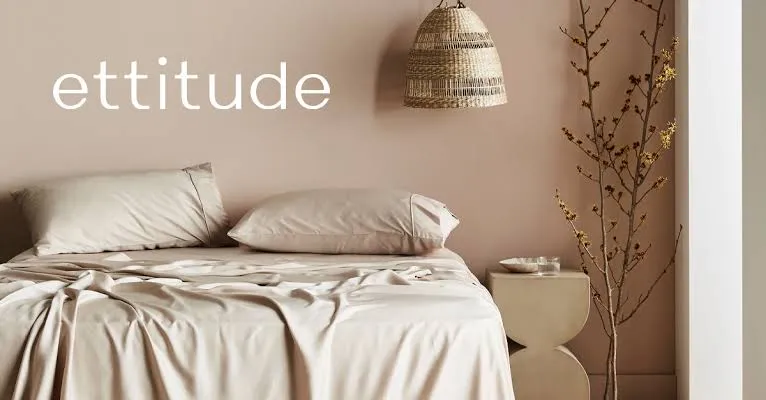
Choosing bedding sounds simple until a sheet pills after three washes, a fitted sheet slips off a thick mattress, or a "luxury" duvet sleeps too hot. This guide explains what bedding includes, which fabrics and weaves suit your sleep, and how to buy with confidence. It also looks at why one premium brand, Ettitude, can charge more than mass-market labels.
Bedding Guide: How to Choose Sheets, Duvets, Blankets and More
What Is Bedding?
Bedding is everything you put on a mattress for comfort, warmth, hygiene and style. In other words, it is the full set of layers between you and the bed frame. Most people use the word for sheets, pillowcases, duvet covers, comforters and blankets.
However, a good setup is more than a pile of fabric. Each layer has a job. Some layers touch your skin all night. Others trap heat or change how the room looks. Knowing the job of each layer makes every buying decision easier.
The Layers of a Complete Bedding Set
Sheets and pillowcases
Sheets affect nightly comfort more than any other piece. A standard set includes a fitted sheet, a flat sheet and pillowcases. Because they touch your skin, fabric feel, breathability and fit matter most here.
Duvet covers, duvets and comforters
A duvet is a soft insert, and a duvet cover is its washable case. A comforter is a single piece that is already filled and stitched. Duvet covers change the look of a room fastest, and they are easier to wash than a bulky insert.
Blankets, quilts and throws
Blankets add flexible warmth. A light cotton blanket can sit over sheets in summer. In winter, it can go between the sheets and a duvet. As a result, one bed can work across all four seasons.
Mattress protectors, pads and toppers
These layers protect the mattress or change how it feels. They also change how deep your fitted sheet must be, which is a common reason sheets pop off at the corners.
Best Bedding Fabrics Compared
Fabric sets the base feel of your bedding. Each option trades off softness, airflow, care and price.
- Cotton: breathable, familiar and easy to layer. It suits most sleepers and most seasons.
- Organic cotton: the same fiber, grown and processed under stricter material rules. It appeals to shoppers with skin or sustainability concerns.
- Bamboo-derived rayon: a smooth, drapey fabric often marketed for softness and cooling. Brands such as Ettitude build their identity around it.
- Linen: very airy, with a relaxed, rumpled look. It is a strong pick when airflow matters most.
- Microfiber: smooth right away, low cost and easy to care for. It is handy for guest rooms and dorms.
Cotton, microfiber or linen?
Cotton is the middle path. Microfiber usually wins on easy care and instant smoothness. Linen wins on airflow and a casual look. Therefore, pick cotton if you want the safest all-round choice, microfiber if budget and low upkeep lead, and linen if you run hot.
Bedding Weaves: Percale, Sateen, Waffle and Washed
Two sheets made from the same cotton can feel completely different. The weave and finish explain why.
- Percale: a plain, tight weave with a crisp, cool feel.
- Sateen: a smoother, silkier surface with more drape and a slight sheen.
- Waffle: a honeycomb texture that adds depth and a casual look.
- Washed: fabric pre-treated for a soft, lived-in feel from the first night.
Does thread count matter?
Somewhat, but less than marketing suggests. Thread count is the number of threads woven into a square inch. Yarn quality, weave and finish shape comfort just as much. Consequently, a well-made sheet with a modest count can beat a poorly made sheet with a huge one.
How to Choose Bedding in 6 Steps
Use this order to avoid buying the wrong bedding twice.
- Find the layer that needs fixing first. Replace sheets if comfort or heat is the problem. Replace the duvet cover if the bed looks tired.
- Decide how you sleep. Warm sleepers should lean toward percale, washed cotton or linen. Cool sleepers may prefer sateen or flannel-style warmth.
- Pick the fabric and weave. Match the feel you want, crisp or smooth, to the comparison above.
- Measure your mattress depth. Include any topper, then choose a fitted sheet with a deeper pocket than that number.
- Check certifications and care labels. Look for OEKO-TEX or GOTS details on the product page, and confirm the wash instructions suit your routine.
- Consider a bundle. Buy a matched set if several layers need replacing at once.
Bedding Sizes and Fit
Common US sizes are Twin, Twin XL, Full, Queen, King and California King. Some brands also sell oversized Queen and King options. Always check the product's stated dimensions, since fit varies by maker.
Pocket depth is the most overlooked detail. A thick mattress or a topper needs a deep pocket. Full elastic around the fitted sheet also helps it stay put. Similarly, a duvet cover with interior ties and a hidden zipper keeps the insert from shifting.
Bedding Certifications That Are Worth Checking
OEKO-TEX STANDARD 100 tests textiles for harmful substances. The Global Organic Textile Standard (GOTS) covers organic fiber and processing. Look for these labels on the product page, not just in ad copy. If a brand makes a claim without naming a standard, treat it with caution.
How to Care for Your Bedding
- Wash new sheets before first use, following the care label.
- Use a gentle cycle and avoid overloading the machine.
- Skip heavy fabric softener, since it can coat fibers.
- Wash sheets weekly to every two weeks, and wash pillowcases more often if you have oily skin or hair.
- Rotate between two sets so each lasts longer.
Why Premium Bedding Brands Like Ettitude Can Charge More
Sheets are sold almost everywhere, and there is always a cheaper option. That is what makes Ettitude interesting. It sells at a much higher price point, yet it has built a loyal audience around what most people see as a basic household purchase.
What is Ettitude?
Ettitude is a bedding and home brand known for bamboo-based fabrics, comfort and sustainability. Its range includes sheet sets, duvet covers and comforters. The brand talks about softness, breathability and responsible production. Even so, premium bedding rarely sells on specs alone. People need to feel the upgrade will change something about everyday life.
Value that feels personal
Few shoppers pay an extra hundred dollars because a material sounds sustainable. They ask whether the bed feels cooler, whether the fabric feels better and whether the room looks more considered. Ettitude sits at the intersection of those questions. Sustainability becomes one more reason to buy, not the only one.
Lifestyle content and search intent
Marketing sheets with "look at our sheets" runs out of road quickly. Instead, Ettitude builds content around bedroom refreshes, Sunday resets, quiet luxury and sleep routines. Most shoppers do not wake up thinking "I need bamboo sheets today." They think about sleep, home design or how to make a bedroom feel calmer. A brand that answers those moments meets the customer earlier.
UGC and real bedrooms
Bedrooms are personal. A brand photo shows a beautiful room, while a customer photo shows real life. Ettitude encourages customers to share their spaces with hashtags such as #sleepwithettitude. Viewers see different homes and styles, which makes the product easier to picture in their own room.
Quiet luxury and editorial coverage
Quiet luxury suits home products because it is subtle. The value lives in material, color, texture and the feel of the room, not a visible logo. Independent editorial reviews add trust, which premium bedding needs. They also move a young brand beyond social media into the wider consumer conversation.
What Bedding Brands Can Learn About Marketing
A customer may buy bedding once every few years. Timing is hard, so the brand has to stay familiar between purchases. Sleep tips, home design ideas and seasonal refresh content all help. When the buying moment arrives, familiarity wins.
Creators who fit bedding
Home, lifestyle and wellness creators are natural partners. They do not need a full video on fiber technology. They can show a bedroom reset, a moving-day setup or a sleep routine, so the product becomes part of a real activity. That usually feels more credible. Brands can reward this content through a creator affiliate program and send viewers to the exact product with a deep link.
Planning around sale seasons
Bedding sells heavily during holiday sales. To prepare, review this Black Friday marketing checklist. SocialBook helps global brands discover creators, analyze audiences and run influencer campaigns. For home products, the best creator content often starts with the life around the product, so explore SocialBook to find those voices.
Bedding FAQ
What is included in bedding?
Bedding includes sheets, pillowcases, duvet covers, comforters, blankets and often mattress protectors. A full set means every layer on the bed.
What is the best bedding material for hot sleepers?
Percale cotton, washed cotton and linen are good choices because they breathe well. Sateen feels smoother but drapes closer to the body.
What is the difference between organic and regular cotton bedding?
Organic cotton focuses on how the fiber is grown and processed. Regular cotton still varies by weave and yarn quality. Look for GOTS or OEKO-TEX details on the product page.
Should I buy sheets or a duvet cover first?
Buy sheets first if comfort, heat or fit is the issue. Buy a duvet cover first if the bed looks tired but the sheets feel fine.
Why is premium bedding from brands like Ettitude expensive?
The price reflects material choices, production, design and brand positioning. Ettitude also sells a lifestyle: a calmer, more considered bedroom.
How often should I wash my bedding?
Wash sheets and pillowcases every one to two weeks. Duvet covers can be washed less often, depending on use and the care label.
Conclusion
The best bedding matches your sleep, your mattress and your room. Start with the layer that needs fixing, choose a fabric and weave that suit how warm you sleep, and confirm pocket depth and certifications before you buy. Premium names like Ettitude show that shoppers will pay more when the upgrade feels personal, not just technical. In short, good bedding is about comfort first, then style, and the right choice is the one you actually look forward to climbing into.