AI influencer marketing insights are the patterns and predictions that machine learning pulls from creator, audience and sales data. They help brands decide who to work with, what to pay and what actually worked. This guide explains how they work and how to use them step by step.
Quick answer: Use AI to shortlist creators, check that their audiences are real, estimate cost before you commit, and tie every sale back to a creator. Then move budget toward what earns revenue.
What Are AI Influencer Marketing Insights?
They are data findings about creators and campaigns that software produces faster than any person can. Examples include audience authenticity scores, estimated creator pricing, engagement quality and predicted campaign outcomes.
In contrast, a spreadsheet of names only tells you who exists. Insights tell you who fits, who is risky and who pays back.

A marketer reviews AI influencer marketing insights before choosing creators.
Why Manual Influencer Research Falls Short
Many teams still scroll TikTok, Instagram and YouTube by hand. As a result, shortlists go stale quickly, and follower counts change the day after you record them.
Manual work also hides risk. A creator may have bought followers or an audience in the wrong country. Furthermore, outreach sent one email at a time gets low reply rates and no follow-up system.
Key Types of Creator Analytics That Matter
Audience Authenticity
An authenticity percentage estimates how many followers are real. A fake follower checker flags inflated audiences before you spend. Learn more about influencer marketing basics if you are new to the field.
Audience Demographics and Engagement Quality
Location, age and interests show whether followers match your buyer. Engagement quality goes beyond likes. It looks at whether comments are genuine and consistent.
Pricing and Performance Prediction
Estimated pricing helps you avoid overpaying. Performance prediction forecasts likely cost and results from past partnerships. However, treat forecasts as planning aids, not promises.
| Insight | Question it answers |
|---|---|
| Audience authenticity | Are the followers real? |
| Demographics | Do they live in my market? |
| Estimated pricing | What is a fair rate? |
| Sales attribution | Which creator drove revenue? |
How to Use AI Influencer Marketing Insights Step by Step
- Define the goal. Set one measurable target, plus your country, budget and audience.
- Build a shortlist. Filter by niche, location, engagement and competitor activity.
- Vet audience quality. Check authenticity, demographics and past brand work.
- Launch and track. Send personalized outreach and give each creator a unique code or link.
- Review and reinvest. Shift budget toward creators who produced the most revenue.

Teams plan campaigns more confidently when creator data guides each choice.
Proving Revenue With Sales Attribution
Leadership usually asks which creators drove revenue. To answer, connect your store to unique coupon codes and affiliate links. For example, a Shopify-synced code ties each order to the creator who earned it.
Consequently, you can stop paying creators who generate views but no sales. Similarly, you can renew the ones who convert.
Where SocialBook Fits
socialbook.io offers an influencer marketing platform for brands, ecommerce companies and agencies. Its database covers 300 million+ creator profiles across TikTok, Instagram, YouTube and Twitch. Reports include audience authenticity, estimated pricing and past brand partnerships, and a Fake Follower Checker supports vetting.
The platform also covers bulk outreach from your own Gmail or Outlook account, a campaign CRM and Shopify-synced coupon tracking. Its AI Product Diagnosis supports competitor analysis and influencer recommendations, and the AI growth platform page explains the wider toolset. For comparison criteria, see this guide to the best AI influencer marketing platform.
AI Search and Influencer Visibility
Creator content now also shapes how brands appear in AI answers. Read about influencer marketing and AI search visibility and how AI search is changing influencer marketing. For background on the technology, see artificial intelligence on Wikipedia.
Common Mistakes to Avoid
- Choosing creators by follower count alone.
- Skipping authenticity checks before paying.
- Launching without unique codes or links.
- Ignoring brand fit because a score looks high.
Frequently Asked Questions
What are AI influencer marketing insights?
AI influencer marketing insights are data-driven findings that machine learning produces about creators, audiences and campaigns. They help brands choose creators, estimate results and measure sales.
How does AI find the right influencers?
AI compares creator profiles against your niche, audience, location and engagement criteria. It then ranks the best matches, which saves hours of manual scrolling.
Can AI detect fake followers?
Yes. Tools such as a fake follower checker analyze follower patterns and engagement to flag inflated audiences. No tool is perfect, so treat the result as a strong signal rather than proof.
Why do audience demographics matter?
Demographics show whether a creator's followers live in your market and match your buyer. A large audience in the wrong country rarely produces sales.
Can AI predict influencer campaign results?
AI can estimate likely cost and performance from past data. These are forecasts, not guarantees, and real results still depend on creative and offer quality.
How do I prove which creators drove sales?
Give each creator a unique coupon code or affiliate link and sync it with your store. Sales are then attributed to the creator who earned them.
What metrics should I track?
Track engagement rate, audience authenticity, reach, clicks, conversions, revenue and cost per acquisition. Revenue by creator matters most.
Is AI better than manual influencer research?
AI is faster and covers far more profiles. Human judgment remains important for brand fit, tone and relationships.
How much do AI influencer tools cost?
Pricing varies widely by provider, database size and features. Check each vendor's current pricing page before you compare.
How long does it take to see results?
Shortlisting can take minutes, but campaigns usually need several weeks for content, posting and sales data. Plan a review after the first full cycle.
What are common mistakes when using AI insights?
Common mistakes include chasing follower counts, skipping authenticity checks and failing to set up tracking before launch. Another is ignoring qualitative fit.
Who benefits most from AI influencer marketing insights?
Ecommerce brands, agencies and growing consumer companies benefit most because they run many creator partnerships and need clear return on spend.
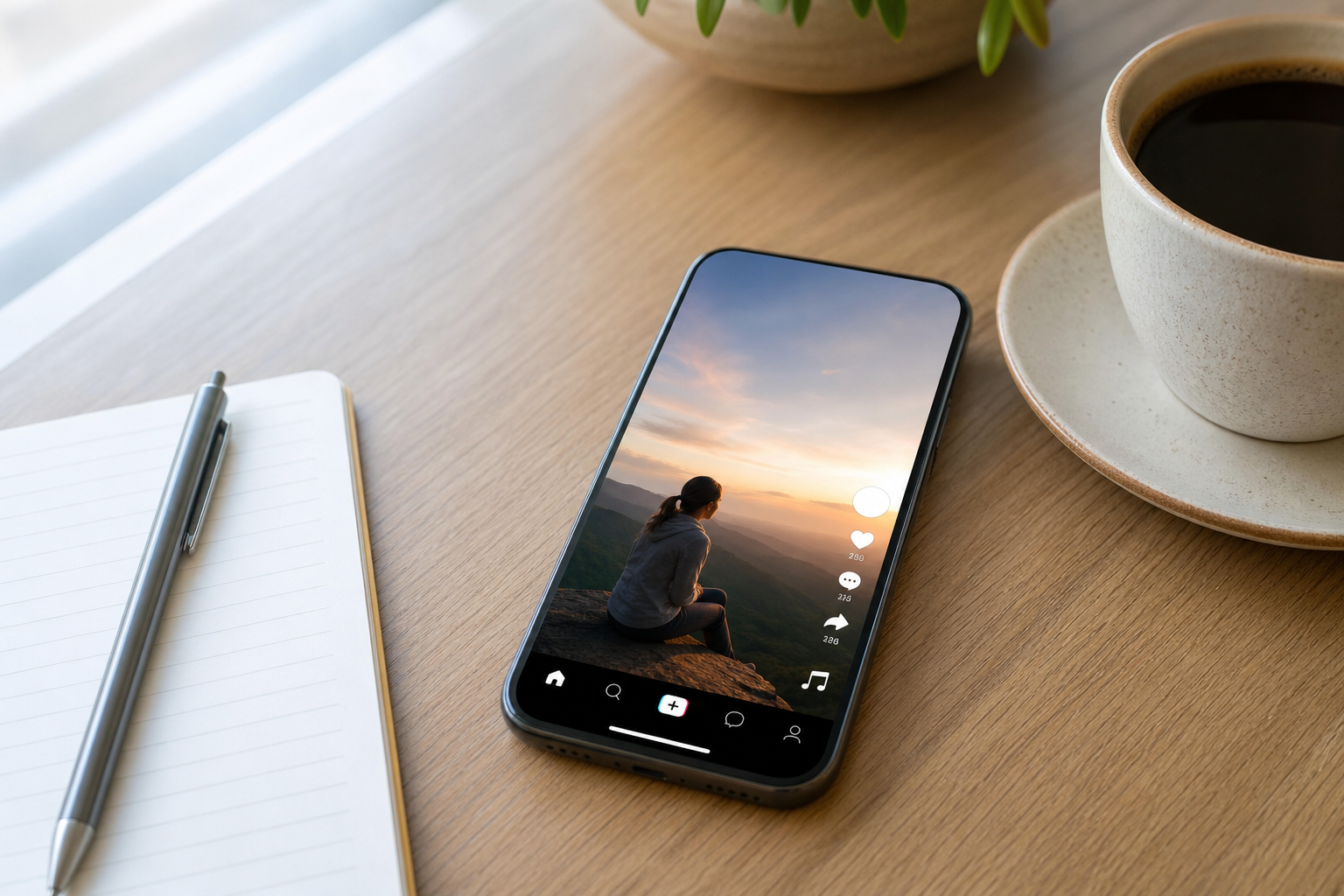
Creator content on a phone, paired with a clear campaign plan.
Conclusion
AI influencer marketing insights replace guesswork with evidence. They help you find fitting creators, confirm real audiences, estimate cost and tie sales to each partnership. Start with one clear goal, vet carefully, track every creator and reinvest in what earns revenue. Visit SocialBook to see how these steps work in one platform.