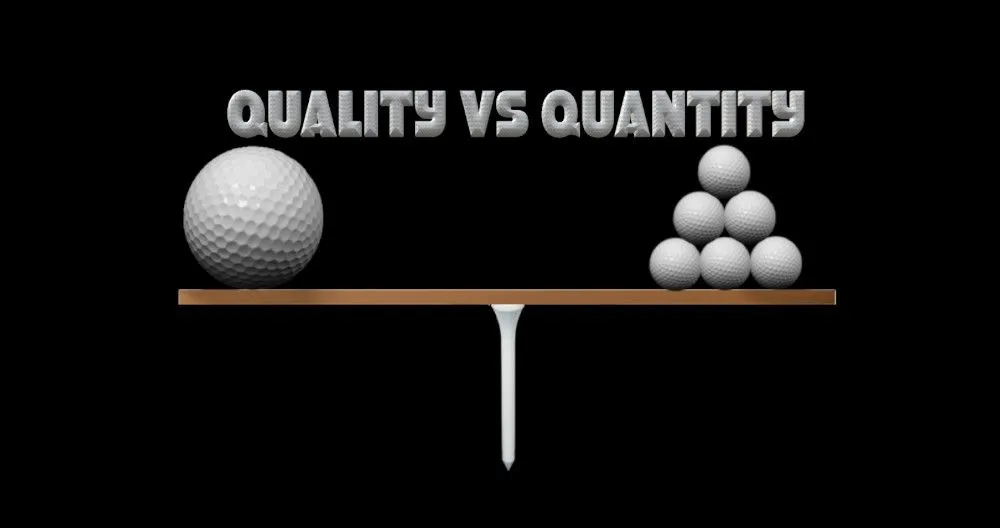
Quantity or Quality when Creating Content
Content creation is the process of generating ideas, producing material, and publishing it so a specific audience can discover, enjoy, and act on it. Today, content creation spans blog posts, YouTube videos, Instagram reels, podcasts, and newsletters. In fact, billions of people scroll through social feeds every single day, which is exactly why mastering content creation has become one of the most valuable skills a creator, marketer, or business owner can develop. However, succeeding at content creation isn't just about posting often or polishing every frame to perfection. Instead, it requires balancing quality and quantity, understanding your platform's algorithm, and building a repeatable process you can sustain. This guide breaks down everything you need to know about content creation, from strategy and tools to the long-running quality-versus-quantity debate.
What Is Content Creation, Exactly?
At its core, content creation means turning an idea into a finished piece of media, a video, article, graphic, podcast episode, or social post, that provides real value to a reader or viewer. Specifically, it includes everything from brainstorming topics and scripting a video to editing, designing, and publishing the final product. For example, a YouTuber filming a tutorial, a brand writing a blog post, and an Instagram creator designing a carousel are all engaged in content creation, even though their formats look completely different.
In addition, content creation today extends far beyond entertainment. Businesses use it to build trust, educators use it to teach, and independent creators use it to build personal brands and income streams. According to Wikipedia's overview of content creation, the practice now covers everything from casual user-generated social posts to fully produced multimedia campaigns. As a result, understanding how to create content well, not just often, has become essential for anyone trying to grow an audience online.
Content Creation Quality vs. Quantity: Which Strategy Wins?
One debate dominates nearly every conversation about content creation: should you prioritize quality or quantity? Both camps have passionate defenders, and honestly, both are partly right. Below, we break down the argument for each side, then show you how to combine them into one sustainable approach.
The Case for High-Quality Content Creation
Quality has always mattered in creative work, whether you're writing, blogging, filming, or designing. Specifically, the path to outstanding results in any form of content creation usually starts with focusing on craft rather than volume. Content creators often spend hours editing a twelve-minute video so viewers see something polished and pristine. Why? Because a single, well-made clip with one catchy hook can rack up millions of views on its own.
However, what's frustrating is that platforms like YouTube often reward frequency over polish, the more you post, the more the algorithm favors you, and the more you earn. This can feel unfair to creators who pour hours into making content that is concise and valuable rather than long and repetitive. At times, this imbalance becomes genuinely demoralizing, and it can even take a toll on a creator's mental health when effort doesn't translate into recognition.
Therefore, never assume low-effort work is an acceptable shortcut. Striving for genuine quality, even if it takes a few extra hours, tends to pay off in the long run through stronger engagement and more durable audience trust.
The Case for High-Volume Content Creation
On the other side of the debate, some of the most successful entrepreneurs argue that volume beats polish. Gary Vaynerchuk, a well-known American entrepreneur, has repeatedly said that creators should upload frequently and worry less about perfection, because quality can always be improved later. In other words, consistent output builds momentum that a single, perfectly polished video simply cannot replicate.
For more on Gary Vee's take, see him discussing quality vs quantity here:
YouTube's own ecosystem supports this idea. Specifically, creators who publish consistently tend to build larger followings, which, in turn, increases their long-term earning potential. You can also look here to see our article on the highest paid Youtubers of 2020, several of whom built their fortunes through relentless, high-frequency content creation rather than months-long production cycles.
In practice, this might mean filming several short videos in one sitting, giving each a quick edit, and publishing them all within days of each other. As a result, you could end up with six times more content than a creator who spends a full week perfecting a single piece.
How to Balance Quality and Quantity in Content Creation
Here's the catch: spending extra hours on a video doesn't guarantee it will perform well. If you scroll through any platform, you'll notice effortless, loosely edited clips that have broken records simply because the idea itself was distinctive. Meanwhile, heavily produced videos with months of planning sometimes struggle to reach even 50,000 views. You'll also see creators repurposing someone else's footage, adding captions or commentary, and out-earning the original creator with a fraction of the effort.
Consequently, the real lesson isn't "quality always wins" or "quantity always wins", it's that consistency plus genuine value wins. In particular, a sustainable content creation strategy treats quality as the non-negotiable floor while treating quantity as the engine that builds momentum and algorithmic favor. If you're building a creator marketing plan for a brand or personal channel, a dedicated creator marketing platform can help you track which formats and posting cadence actually move the needle for your audience.
The 7-Step Content Creation Process
Whether you lean quality-focused, quantity-focused, or somewhere in between, every successful piece of content follows a similar production path. Below is the step-by-step content creation process we recommend to creators and brands alike.
- Define your niche and audience. Decide exactly who you are creating content for and what specific problem or interest your content addresses, since a clear niche makes every later decision easier.
- Research keywords and trends. Use tools like Google Trends or a competitor monitoring tool to see exactly what your audience is already searching for and discussing right now.
- Choose your formats and platforms. Select the formats, video, blog, podcast, short-form clips, that match where your audience already spends time, rather than spreading yourself thin across every channel at once.
- Build a realistic content calendar. Map out publishing dates at least two to four weeks in advance so you maintain consistency without burning out close to each deadline.
- Produce, film, or write the content. Draft, film, or record your material in batches whenever possible, since batching reduces setup time and helps you maintain a consistent voice and style.
- Edit, polish, and optimize. Trim unnecessary footage, tighten your writing, add captions, and optimize titles and descriptions with your target keyword so viewers and search engines can find your work.
- Publish, promote, and analyze. Share your content across relevant channels, track metrics like watch time and engagement, then use those insights to refine your next round of content creation.
Types of Content Creation You Should Know
In particular, modern content creation isn't limited to one format. Similarly, the best creators often mix several formats to reach audiences wherever they prefer to consume content.
- Long-form video: Tutorials, vlogs, and reviews on YouTube that build deep trust over time.
- Short-form video: Reels, TikToks, and YouTube Shorts designed for quick, high-frequency consumption.
- Written content: Blog posts, guides, and newsletters that boost search visibility and authority.
- Audio content: Podcasts that let audiences consume content while multitasking.
- Social graphics and carousels: Visual, scroll-stopping content for Instagram and LinkedIn.
- Livestreams: Real-time content creation that strengthens community and engagement.
Essential Tools That Power Modern Content Creators
Above all, the right tools remove friction from the content creation process so you can focus on ideas instead of logistics. For example, Canva and CapCut speed up design and editing, while Google Trends helps surface timely topics. Furthermore, resources like the Content Marketing Institute publish ongoing research on what content formats perform best across industries.
If you work with brands or manage creator partnerships, our influencer relationship management guide walks through the platforms that help you coordinate campaigns, track deliverables, and keep creator relationships running smoothly at scale.
Building a Content Creation Strategy for Long-Term Growth
A strong content creation strategy goes beyond posting schedules. Specifically, it includes repurposing a single piece of content into multiple formats, studying analytics to see what resonates, and keeping a consistent brand voice across channels. In addition, the U.S. Small Business Administration's marketing guide recommends treating content as a long-term asset rather than a one-off promotional push, which aligns closely with how top creators approach their channels.
Similarly, if your content creation efforts involve working with influencers or affiliate creators, our influencer marketing blog covers campaign structures, compensation models, and how to measure true ROI from creator-driven content.
Common Content Creation Mistakes That Kill Engagement
Even experienced creators fall into predictable traps. Avoiding them can immediately improve your content creation results.
- Inconsistent posting: Sporadic uploads make it hard for algorithms, or audiences, to build a habit around your channel.
- Ignoring analytics: Without reviewing performance data, you'll keep repeating formats that quietly underperform.
- Chasing every trend: Jumping on trends that don't fit your niche dilutes your identity.
- Neglecting SEO basics: Skipping keyword research and descriptions limits discoverability on search and YouTube alike.
- Burning out: Pushing unsustainable output without rest eventually tanks both quality and consistency.
Content Creation and Creator Mental Health
It's worth being honest about the emotional side of content creation. Many creators invest hours into a single piece only to see it underperform, while a low-effort clip from someone else breaks records overnight. Naturally, this can feel discouraging, and over time it can genuinely affect motivation and well-being. Therefore, it helps to track your own progress against your past work rather than comparing yourself to every viral outlier you see. Above all, remember that consistent, honest content creation almost always compounds, even when any single post doesn't perform the way you hoped.
Frequently Asked Questions About Content Creation
What is content creation?
Content creation is the process of generating an idea and turning it into a finished piece of media, such as a video, blog post, podcast, or social graphic, that a target audience can find valuable or entertaining.
Is quality or quantity more important in content creation?
Neither wins outright. Quality keeps viewers engaged once they find your work, while quantity builds the consistency and algorithmic reach needed to get discovered in the first place. The strongest content creation strategies combine both.
How often should I publish new content?
There's no universal number, but consistency matters more than raw frequency. Choose a schedule you can sustain for months, whether that's daily shorts or two long-form videos per week, and stick to it.
What tools do I need to start content creation?
At a minimum, you'll need a camera or phone, basic editing software like CapCut or Premiere Pro, a design tool like Canva, and a research tool such as Google Trends to guide your topics.
How do I measure if my content creation is working?
Track watch time, click-through rate, shares, and follower growth rather than views alone. These engagement metrics reveal whether your content creation is genuinely resonating with your intended audience.
Can content creation become a full-time career?
Yes. Many creators now earn full-time income through ad revenue, brand partnerships, and sponsorships, as our article on the highest paid Youtubers of 2020 demonstrates. However, it typically requires consistent output over months or years before it becomes reliable income.
Final Thoughts on Content Creation
In the end, content creation isn't a choice between quality and quantity, it's a discipline that blends both. Other factors, including your niche, timing, target audience, and chosen platform, also shape your results. However, consistently producing well-made, valuable content, following a repeatable process, and paying attention to performance data will always outperform guesswork. Whether you're a solo creator or a brand building a full content creation strategy, start with the fundamentals in this guide, stay consistent, and let your results compound over time. We hope this guide helps you create smarter, not just more.