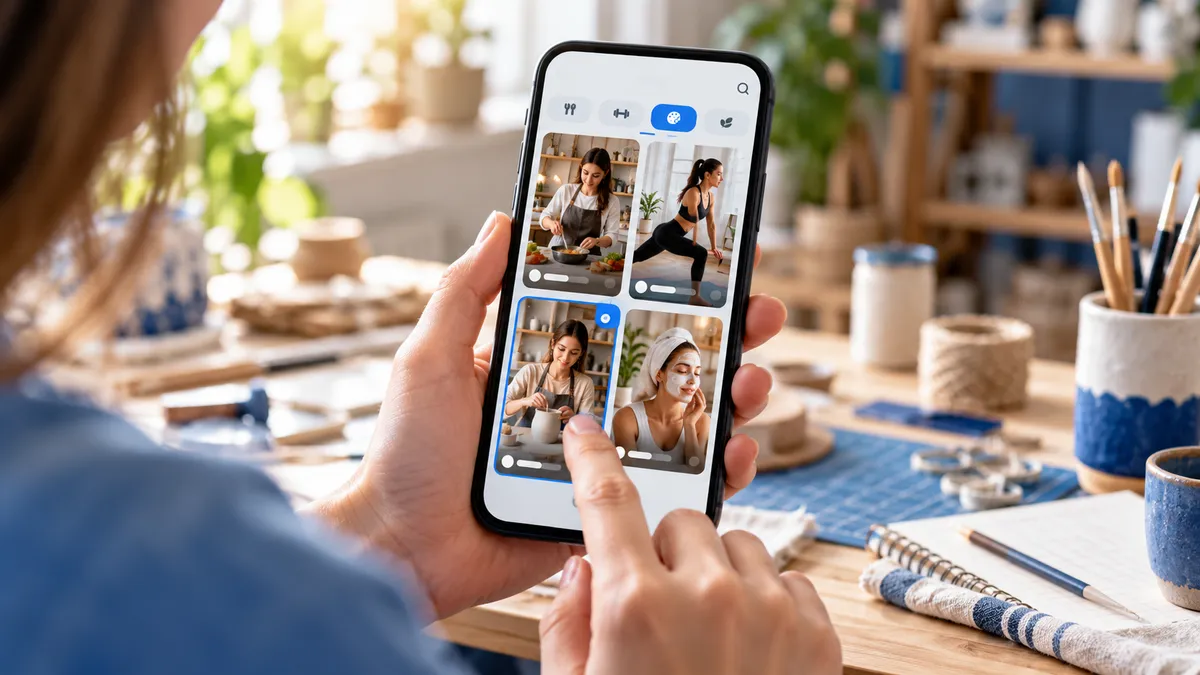
If you want to find TikTok influencers in my niche, the fastest route is to combine a filtered creator database with a few manual checks. First, define your niche. Next, search by category, location, and engagement rate. Then verify that each creator's audience is real. As a result, you build a shortlist of relevant creators in hours instead of weeks. This guide shows you every method, from free Google and hashtag searches to platforms and agencies, plus how to vet, contact, and track creators.
Key Takeaways
- Use several discovery methods together: Google, hashtags, other platforms, databases, and agencies.
- Specific niche terms and micro-influencers often beat broad searches for fit and engagement.
- Check audience authenticity before you contact anyone.
- Track every creator with a unique code or link.
- Follow a six-step process: define, search, vet, compare, reach out, track.
How to Find TikTok Influencers in Your Niche: 6 Methods
Finding the right creator is a search problem. Therefore, the best results come from stacking methods rather than relying on one. Specifically, treat the first four methods as free or low-cost starting points. Then use platforms or agencies when you need scale.
Whichever route you choose, get specific. A broad search returns celebrities. In contrast, a niche search returns creators your customers actually watch.
1. Run niche-specific Google searches
Google is the easiest free starting point. Search for "top TikTok influencers" and then add identifiers. For example, try a city ("Miami TikTok creators"), a niche ("travel TikTokers," "foodie TikTokers"), or a size ("micro TikTok influencers"). Additionally, read the roundup articles that rank. They usually list the biggest names, so scroll further for smaller accounts that are easier to hire.
2. Search hashtags on TikTok and beyond
Search niche hashtags inside TikTok, such as #skincareroutine or #budgetmealprep. Open the top videos and note who posts consistently. However, do not stop at TikTok. Many creators use the same hashtags on Instagram and YouTube, so searching there reveals more talent.
Another useful trick is to search #ad or #sponsored plus your niche. These tags show creators who already take brand deals. Then check whether they are active on TikTok.
3. Check creators you already follow elsewhere
Look at Instagram and YouTube creators you already like. Many have moved to TikTok. Moreover, if you have worked with them before, a TikTok campaign is a simple, lower-risk next step.
4. Study competitors and niche communities
Open your competitors' tagged posts and mentions. Creators who already promote similar products understand your category and have audiences primed to buy. Similarly, watch the comments on viral niche videos, because active commenters often become creators themselves.
5. Use an influencer marketing platform or database
Influencer platforms let you filter by niche, location, follower range, and engagement. SocialBook, for example, indexes more than 300 million creator profiles across TikTok, Instagram, YouTube, and Twitch, refreshed daily. Other tools exist as well, including Fanbytes, Upfluence, and Postsforrent. Note that a platform is largely self-serve, so someone on your team must run it.
6. Hire a TikTok-focused agency
An agency runs the search, negotiation, and campaign for you. As a result, you get tailored, hands-on service. On the other hand, you pay more and keep less direct control. The comparison table below shows the trade-offs.
Why Niche TikTok Creators Outperform Generic Reach
Influencer marketing relies on people with engaged followings, not traditional ads, to recommend products. On TikTok, the algorithm rewards content quality, so a small creator with the right audience can beat a celebrity post. In addition, the platform's scale makes the search worthwhile. It passed 1 billion monthly active users in 2021, according to Wikipedia's TikTok overview.
Above all, relevance beats reach. A creator with 40,000 engaged followers in your category will usually convert better than a 2-million-follower generalist. Therefore, aim for "best fit," not "biggest."
For instance, if you sell family products, browse these top family and mom creators on TikTok. For a more visual niche, see this list of street photography creators on TikTok. Likewise, a lifestyle brand can study leading plant influencers on TikTok. Regional relevance matters too. A brand entering a new market might review a roundup of leading South African influencers first.
Which creator size fits your goal?
- Nano (under 10K): very high trust, low cost, often paid in product.
- Micro (10K to 100K): strong engagement and a clear niche. This is the sweet spot for most brands.
- Mid-tier (100K to 500K): broader reach with solid engagement.
- Macro and mega (500K+): best for awareness, but with higher cost and less niche fit.
A Step-by-Step Process to Find and Vet TikTok Influencers
A repeatable process removes the guesswork. Follow these six steps in order and you can move from a blank search bar to a signed creator in days.
- Define your niche, goals, and ideal creator. Write down your category, follower range, country, and desired outcome, such as awareness, sales, or UGC (user-generated content). A clear brief narrows every search that follows.
- Search with niche filters. Combine Google, hashtags, competitor mentions, and a database such as SocialBook to filter by niche, location, follower count, and engagement rate.
- Check audience authenticity. Run every shortlisted account through a TikTok fake follower checker and review audience demographics before you message anyone.
- Compare pricing and past partnerships. Review estimated rates next to how earlier sponsored posts performed. For benchmarks, see how much to pay a TikTok influencer with 100K followers.
- Send personalized outreach. Reference a recent video, state your offer, and give one clear next step. Then follow up once or twice with a short reminder.
- Track revenue. Give each creator a unique coupon code or affiliate link so every sale is attributed to the right post.
"The brands that win on TikTok don't search harder. They search smarter, with data that rules out fake audiences before a single dollar is spent."
How to Vet TikTok Creators Before You Spend Budget
Vetting is where most of the risk hides. Follower count says almost nothing about whether an audience is real, local, or likely to buy. In contrast, authenticity percentage, engagement quality, and demographics tell you far more.
Vetting checklist
- Engagement rate across the last 10 to 20 videos, not one viral hit.
- Audience location and age match your buyers.
- Comments are genuine and on-topic, not generic emoji spam.
- Content style and values fit your brand.
- Past sponsored posts are clearly disclosed and performed well.
- Follower growth looks steady, without sudden unexplained spikes.
A full profile report typically shows audience location, age split, engagement trends, estimated pricing, and prior brand deals. You can see this level of detail in this sample influencer profile report. Furthermore, an AI-powered recommendation engine can surface high-fit creators automatically from your product category.
TikTok Influencer Discovery Methods Compared
Not every method fits every budget or timeline. This table compares the main approaches side by side.
| Method | Speed | Audience Verification | Typical Cost | Best For |
|---|---|---|---|---|
| Google and hashtag search | Slow (days to weeks) | None built in | Free, high labor | Small tests and idea gathering |
| Influencer database platform | Fast (minutes to hours) | Built-in checks | Subscription | Recurring, scalable campaigns |
| Full-service agency | Moderate (days to weeks) | Manual, varies by agency | High retainer or commission | Large budgets, hands-off teams |
Platform vs. agency: which should you choose?
Choose a platform if you have someone in-house to run campaigns and want direct control. Choose an agency if you lack time or experience and prefer one-on-one, tailored service. Many brands start with a platform, then add an agency as budgets grow.
Common Mistakes When You Search for TikTok Influencers
Even experienced marketers repeat a few errors. Chasing follower count over fit is the most common. Skipping the fake-follower check is close behind, because it wastes money on influence that was never real. Likewise, sending identical outreach to every creator drops reply rates sharply.
Another mistake is tracking results with screenshots instead of codes or links. To see what good fit looks like, browse a ranked list of top-performing influencers across niches.
Finally, do not forget disclosure. According to the U.S. Federal Trade Commission's guidance for social media influencers, sponsored content must be clearly disclosed. Skipping it creates legal and reputational risk for both brand and creator.
Best Practices for Long-Term Creator Partnerships
Treat your best creators as partners, not one-off transactions. Repeat collaborations build audience trust, and trust drives purchases. In practice, keep contracts, shipping updates, and payments organized in one dashboard rather than scattered across DMs. Platforms such as SocialBook centralize that workflow for more than 100,000 brands, agencies, and creators.
Before your next campaign, visit SocialBook to see how discovery, vetting, outreach, and revenue tracking work from a single login.
Frequently Asked Questions About Finding TikTok Influencers
What is the fastest way to find TikTok influencers in my niche?
Use a creator database with niche, location, and engagement filters. It typically returns a qualified shortlist in minutes to hours, while manual searching takes days.
Can I find TikTok influencers for free?
Yes. Use Google searches, TikTok hashtags, competitor tags, and #ad or #sponsored searches. However, free methods are slower and offer no audience verification.
Why do niche TikTok influencers often outperform mega-influencers?
Their audiences match a specific product category more closely, which lifts engagement and conversion. Mega-influencer reach is often irrelevant to a particular offer.
What is the difference between a platform and an agency?
A platform gives you direct, searchable access to creators, and your team runs the campaign. An agency handles search and negotiation for a fee, with less control but more hand-holding.
How much does it cost to hire a TikTok influencer?
Pricing ranges from free product gifting for small creators to several thousand dollars per post for large accounts. Estimated-rate tools help benchmark a fair price before you negotiate.
How do I know if a creator's followers are real?
Run the account through a fake follower checker, then review audience location, authenticity percentage, and comment quality. Consistent engagement across many posts is a stronger signal than one viral video.
What is a good engagement rate on TikTok?
Compare against creators in the same niche and follower tier. A strong rate for a 10,000-follower account differs from that of a million-follower account, and smaller accounts usually need higher rates.
Can I search for influencers by competitor?
Yes. Check competitors' tagged posts manually, or use a platform that searches by competitor brand to surface creators already promoting similar products.
What should I include in an outreach message?
Mention a recent video, state your offer clearly, and give one simple next step. Generic, copy-pasted messages usually get ignored.
How do I measure whether a campaign drove sales?
Assign each creator a unique coupon code or affiliate link so every purchase is tied to the post that drove it.
Do I need to follow FTC disclosure rules?
Yes. In the United States, sponsored content must be clearly disclosed on any platform, and both brand and creator can face consequences if it is not.
Should I also search Instagram and YouTube?
Yes. Many creators share audiences across TikTok, Instagram, and YouTube, so a cross-platform search shows total reach and consistency.
Conclusion: Make Niche Creator Search a Repeatable System
In short, learning to find TikTok influencers in my niche comes down to process, not luck. Start with free Google and hashtag searches, then add a database or agency as you scale. Next, confirm audience authenticity, compare pricing, send personalized outreach, and track revenue with codes or links. As a result, influencer marketing becomes a measurable channel you can repeat every quarter.