A brand influencer marketing budget is the amount a company plans to spend on creator partnerships over a set period. Getting it right matters because most teams either overspend on a few big names or underspend and never learn what works. This guide shows how to size the budget, split it, and prove the return.
Quick answer: Set a revenue goal, choose a total you can afford to test twice, then split it across creator fees, product, amplification, tools, and a testing reserve. Track every creator by code or link and shift money toward the ones who pay back.
What Is a Brand Influencer Marketing Budget?
It is a planned allocation of money for working with creators on platforms like TikTok, Instagram, YouTube, and Twitch. It includes more than fees. Product costs, shipping, content usage rights, software, and paid boosts all belong in it.
Treating it as a single line for "influencer posts" hides real costs. As a result, campaigns look cheaper than they are, and returns look worse than they should.

A team mapping out a brand influencer marketing budget before launching creator campaigns.
How Much Should You Spend on Influencer Marketing?
No single number fits every brand. However, a practical rule helps: pick an amount you can lose during testing without hurting the business. Then plan for at least two rounds, because the first round teaches you which creators and formats work.
For price ranges by creator size, see this breakdown of influencer marketing costs for a small brand. For performance context, the 2026 influencer marketing benchmarks guide covers key metrics to compare against.
Where the Money Goes: Cost Categories
Split your total into clear lines. The shares below are a starting template, not an industry standard. Adjust them to your goals.
| Cost line | Example share | What it covers |
|---|---|---|
| Creator fees | 50–60% | Posts, videos, stories, and usage rights |
| Product and shipping | 10–15% | Samples, gifting, delivery |
| Paid amplification | 10–15% | Boosting top-performing creator content |
| Tools and software | 5–10% | Discovery, outreach, tracking |
| Testing reserve | 10% | New creators and formats |
Micro vs. Macro Creators
Micro-creators usually charge less and reach tighter niches. Therefore, they suit early testing well. Larger creators add reach but cost more per post. A micro-influencer discovery guide can help you build a first shortlist.
How to Build Your Influencer Budget Step by Step
- Set a revenue goal. Define the sales or leads the channel must deliver, then work backward using your margins.
- Pick a total. Choose an amount that funds at least two testing rounds.
- Split across cost lines. Use the table above as a starting point.
- Vet creators first. Check audience authenticity, location, and engagement before paying.
- Track by creator. Give each one a coupon code or affiliate link, review weekly, and move money to what pays back.
Protecting Your Spend Before You Pay
Wasted budget often comes from fake followers or audiences in the wrong country. In particular, a creator with strong numbers but weak authenticity can cost more than a smaller, genuine one. Review audience demographics, engagement quality, and past brand partnerships before signing.
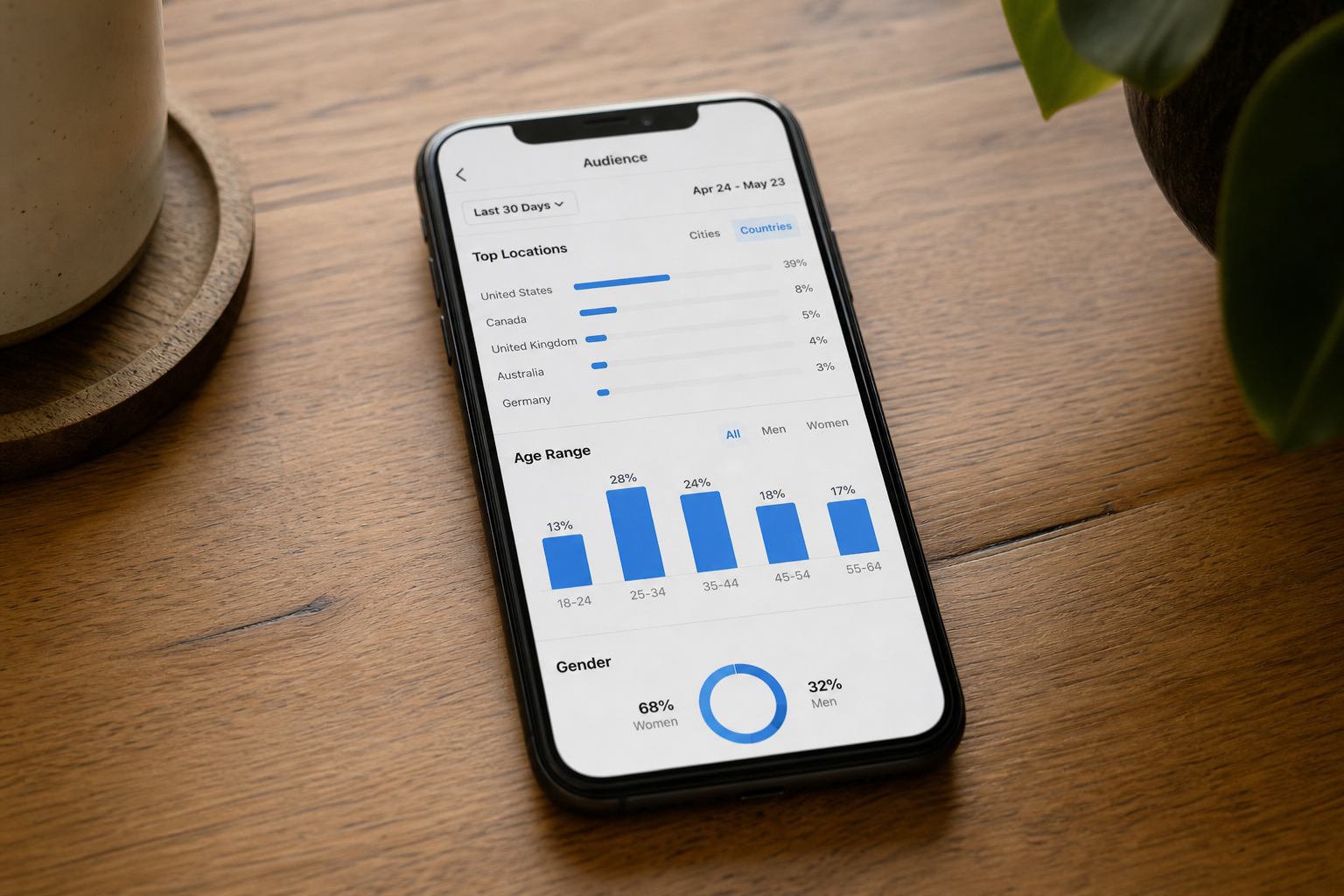
Vetting audience quality helps keep your influencer spend focused on real customers.
SocialBook is an influencer marketing platform founded in 2014 and based in San Francisco. It lets brands search more than 300 million creator profiles across TikTok, Instagram, YouTube, and Twitch. It also includes a fake follower checker and Shopify-synced coupon codes and affiliate links for tracking sales by creator. For a wider comparison, see this list of influencer marketing platforms for 2026 and this guide to tools for small and mid-sized brands.
Measuring Return on Your Influencer Spend
Measure each creator against what you paid them. Revenue from their code or link, divided by their total cost, shows who deserves a second contract. Meanwhile, keep brand-awareness gains in view, since not every post drives an instant sale.
The U.S. Federal Trade Commission requires clear disclosure of paid relationships. Build that requirement into your contracts. You can read its guidance at the Federal Trade Commission website. For background on the practice itself, see Influencer marketing on Wikipedia.
Common Budgeting Mistakes
- Putting the whole budget on one creator.
- Forgetting usage rights, shipping, and amplification costs.
- Launching without coupon codes or links for tracking.
- Scaling spend before a test round proves results.
Frequently Asked Questions
What is a brand influencer marketing budget?
A brand influencer marketing budget is the money a company sets aside to work with creators. It covers fees, free products, tools, content rights, and testing.
How much should a brand spend on influencer marketing?
There is no universal figure. Many brands start with a modest share of total marketing spend, then increase it once creator-level sales data proves returns.
What costs should a brand influencer marketing budget include?
Include creator fees, product and shipping, usage rights, paid amplification, software, and a testing reserve. Agency or management fees apply if you use one.
How do I split the budget between micro and macro creators?
Smaller brands often favor micro-creators for lower fees and tighter niches. Reserve a smaller share for larger creators once you know what converts.
How much do influencers charge?
Rates vary widely by platform, niche, audience size, deliverables, and usage rights. Use pricing estimates and quotes from several creators to set a range.
Should I pay creators with free products instead of cash?
Product gifting can work for small creators who already like your brand. Larger or in-demand creators usually expect payment.
How long before I see results from my influencer budget?
Some sales appear within days of a post going live. Plan on a full testing cycle of several weeks to judge which creators are worth repeating.
How do I measure return on influencer spend?
Compare revenue attributed to each creator with what you paid them. Unique coupon codes and affiliate links make that comparison possible.
What are common influencer budgeting mistakes?
Common mistakes include spending everything on one creator, skipping audience checks, ignoring usage rights, and having no tracking in place.
Is influencer marketing cheaper than paid ads?
It depends on the brand and creators chosen. Influencer content can lower ad creative costs, but results should be compared using your own cost per sale.
How can I avoid wasting budget on fake followers?
Run an audience authenticity check before signing anyone. Look at audience location, engagement quality, and past brand partnerships.
When should I increase my brand influencer marketing budget?
Increase it when several creators return more revenue than they cost and your tracking is reliable. Scale gradually, not all at once.
Conclusion
A strong brand influencer marketing budget starts with a clear goal, splits spend across fees, product, amplification, tools, and testing, and relies on creator-level tracking. Vet audiences before paying, review results weekly, and move money toward creators who return more than they cost. Scale only after the data supports it.