
Social media marketing is the practice of using platforms like YouTube, Instagram and TikTok to build awareness, engage customers and drive sales. Done well, it can put a small brand in front of millions of people. However, success depends on a clear plan, not random posts. This guide explains what social media marketing is, compares the leading platforms, and walks you through a 7-step strategy you can start today.

What Is Social Media Marketing?
Social media marketing means promoting a brand, product or service through social platforms. It includes content creation, community management, paid ads, influencer partnerships and customer care. In other words, it covers everything you do to reach and serve people where they already spend time. For a broader definition, see the Wikipedia overview of social media marketing.
Today, customers discover brands, read reviews, ask questions and buy on social. As a result, a social presence works like a storefront that never closes.
Social media marketing vs. a social media strategy
Marketing is what you do. A strategy is why you do it, how you do it, and how you know it works. A documented strategy defines your goals, audience, content, platforms and metrics. Without one, social becomes a reactive scramble to post something every day.
Benefits of Social Media Marketing for Your Business
Social media marketing gives you direct access to your audience at a scale few channels match. Specifically, it helps you:
- Build brand awareness by showing up consistently with a recognizable voice.
- Earn trust through real conversations, testimonials and behind-the-scenes content.
- Generate leads and sales with ads, shoppable posts and links to your site.
- Improve customer care by answering questions and complaints in public.
- Learn from competitors by watching what content and ads they run.
- Extend reach through employees, creators and influencers.
Furthermore, social content can support search visibility. YouTube is itself a search engine, and strong videos can appear in Google results.
How to Build a Social Media Marketing Strategy in 7 Steps
A strong plan does not need to be complicated. Follow these steps in order.
- Audit your current presence. List every profile, check that your bios and visuals match, and review your best and worst posts from the last 90 days.
- Set SMART goals. Make each goal specific, measurable, achievable, relevant and time-bound. For example, "raise Instagram engagement from 2% to 3.5% by Q3."
- Define your audience. Write short personas using your analytics, customer data and the questions people ask you.
- Choose your platforms. Pick two or three where your audience is active and where you can post consistently.
- Plan your content. Choose three to five themes, mix formats such as video, carousels and stories, and build a posting calendar.
- Add paid and influencer support. Boost your best organic posts and partner with creators whose followers match your buyers.
- Measure, learn and adjust. Review results monthly, drop what fails, and repeat what works.
Choosing the Best Social Media Marketing Platforms
Not all platforms are equal. Each has its own audience, format and strengths. Therefore, compare the pros and cons below before you commit time and budget.
YouTube: Pros and Cons
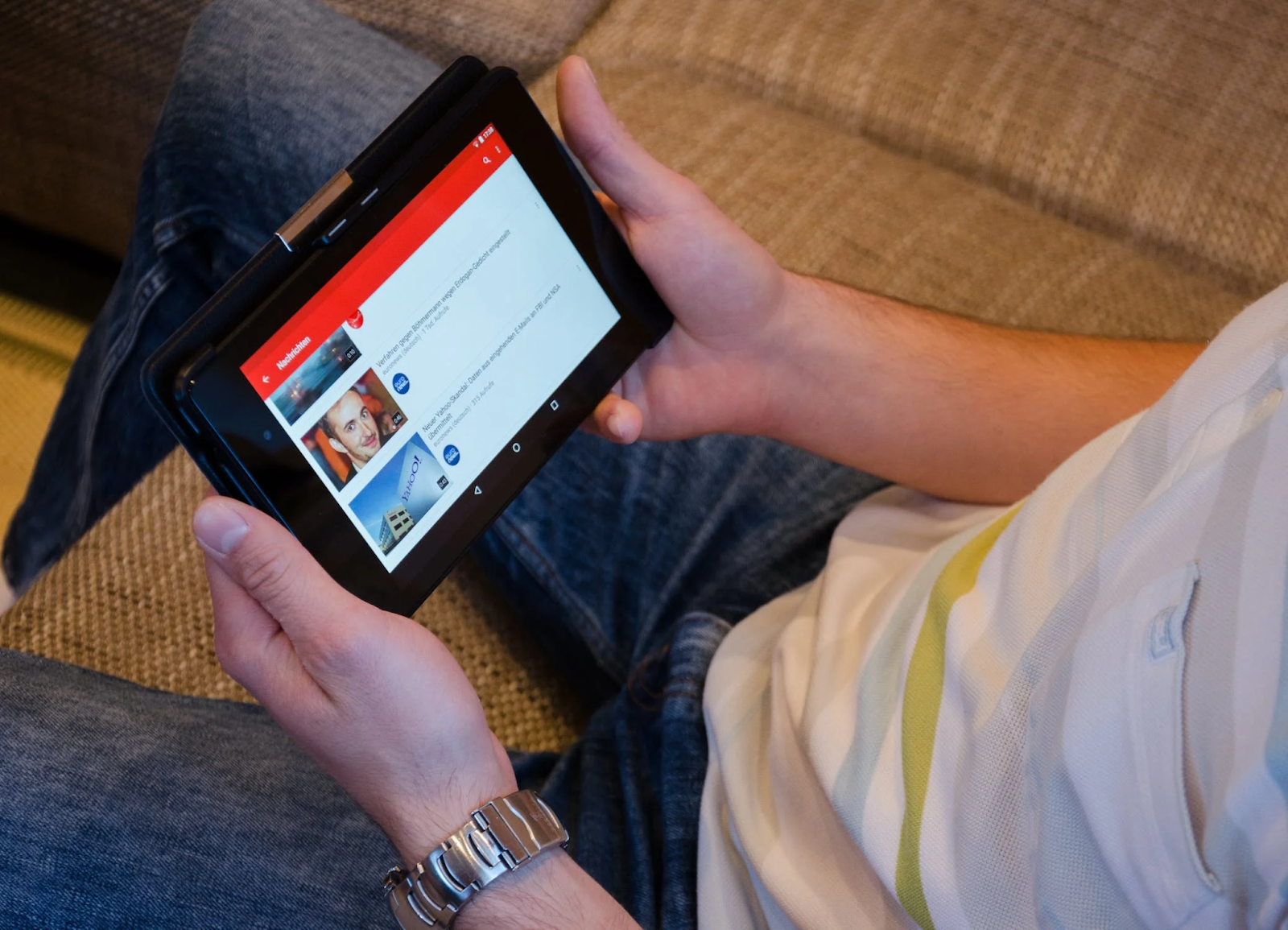
YouTube is the home of long-form video and the second most used search destination online. It rewards depth and patience.
Pros
- Vast user base: over two billion logged-in monthly users, so your content can reach almost any audience.
- Search power: optimized titles and descriptions can bring steady traffic, even from Google.
- Long-form room: tutorials, product demos and testimonials fit well.
Cons
- High competition: newcomers need unique, high-quality videos to stand out.
- Time-heavy production: scripting, filming, editing and captions add up quickly.
- Ad avoidance: many viewers skip or block ads, so plan other ways to earn.
TikTok: Pros and Cons

TikTok is built for fast, entertaining short video. It is a strong choice if you want to reach younger audiences, roughly ages 15 to 28.
Pros
- Explosive growth: a very active user base means you can gain reach faster than on most platforms.
- Short, snappy content: quick videos are easier to produce consistently.
- Viral potential: trends, challenges and filters spread quickly and often jump to other platforms.
Cons
- Limited video length: it is hard to tell a deep story or explain a complex product.
- Rapid consumption: you need a steady stream of fresh ideas, which can cause burnout. Plan weekly or monthly to stay ahead.
- Discoverability: the feed is crowded, so visibility is never guaranteed.
Instagram: Pros and Cons
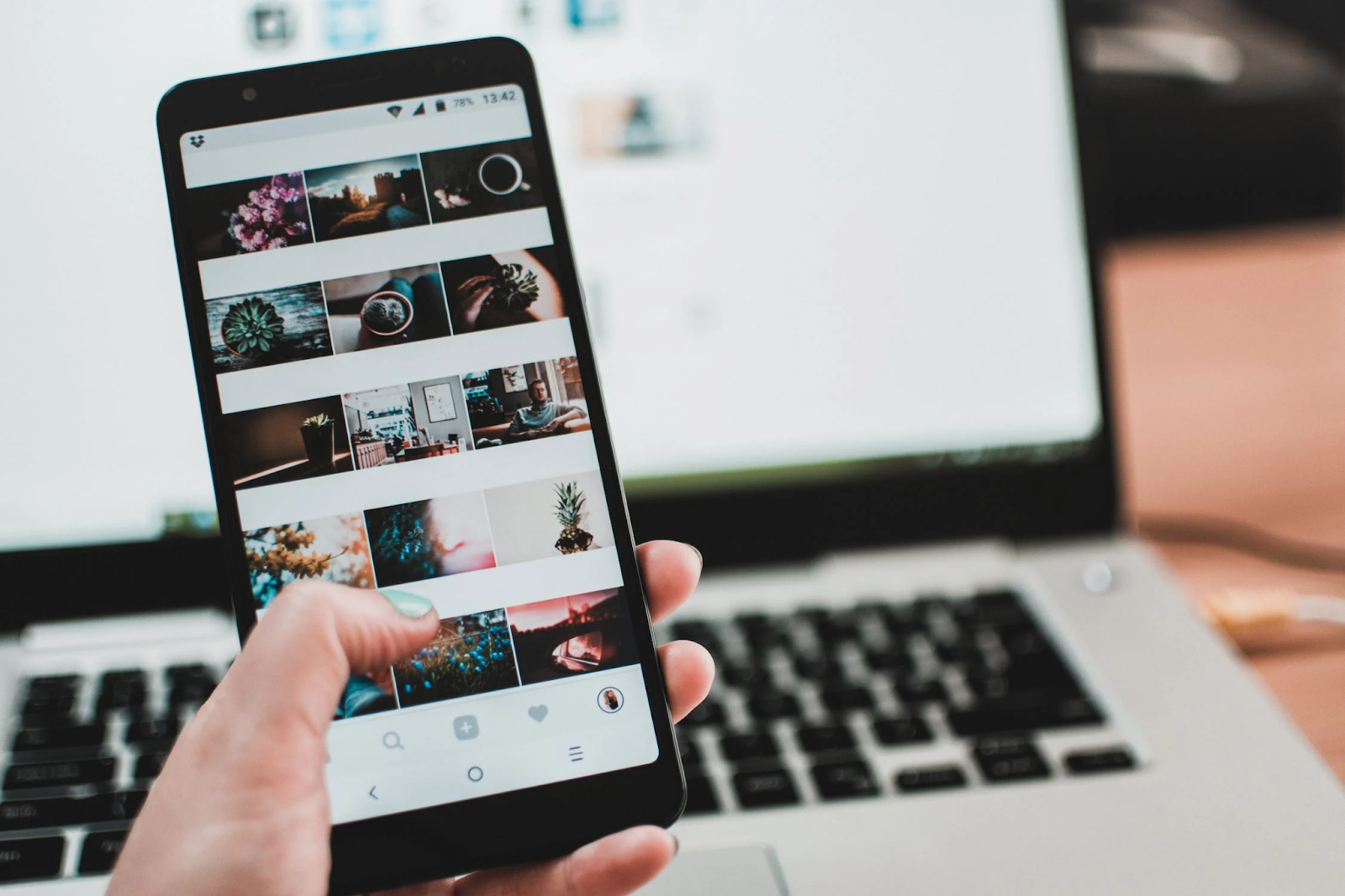
Instagram is a visual platform used by people of all ages. It suits brands with strong photos, video and style.
Pros
- Visual appeal: images and video tell your story at a glance.
- Varied formats: Stories, Reels, carousels and live video let you test what your audience likes.
- Influencer collaboration: it is easy to find creators who fit your budget.
Cons
- Saturated market: growing a new account usually requires frequent posting.
- Algorithm changes: reach can shift without warning.
- Inconsistent engagement: timing, quality and relevance all affect results, so test and track.
Other platforms worth considering
- LinkedIn: best for B2B lead generation and professional thought leadership.
- Facebook: broad reach, groups and strong ad targeting for B2C and B2B.
- Pinterest: a discovery engine for home, food, fashion and beauty brands.
- X and Threads: real-time conversation and customer service.
Influencer Marketing as Part of Social Media Marketing
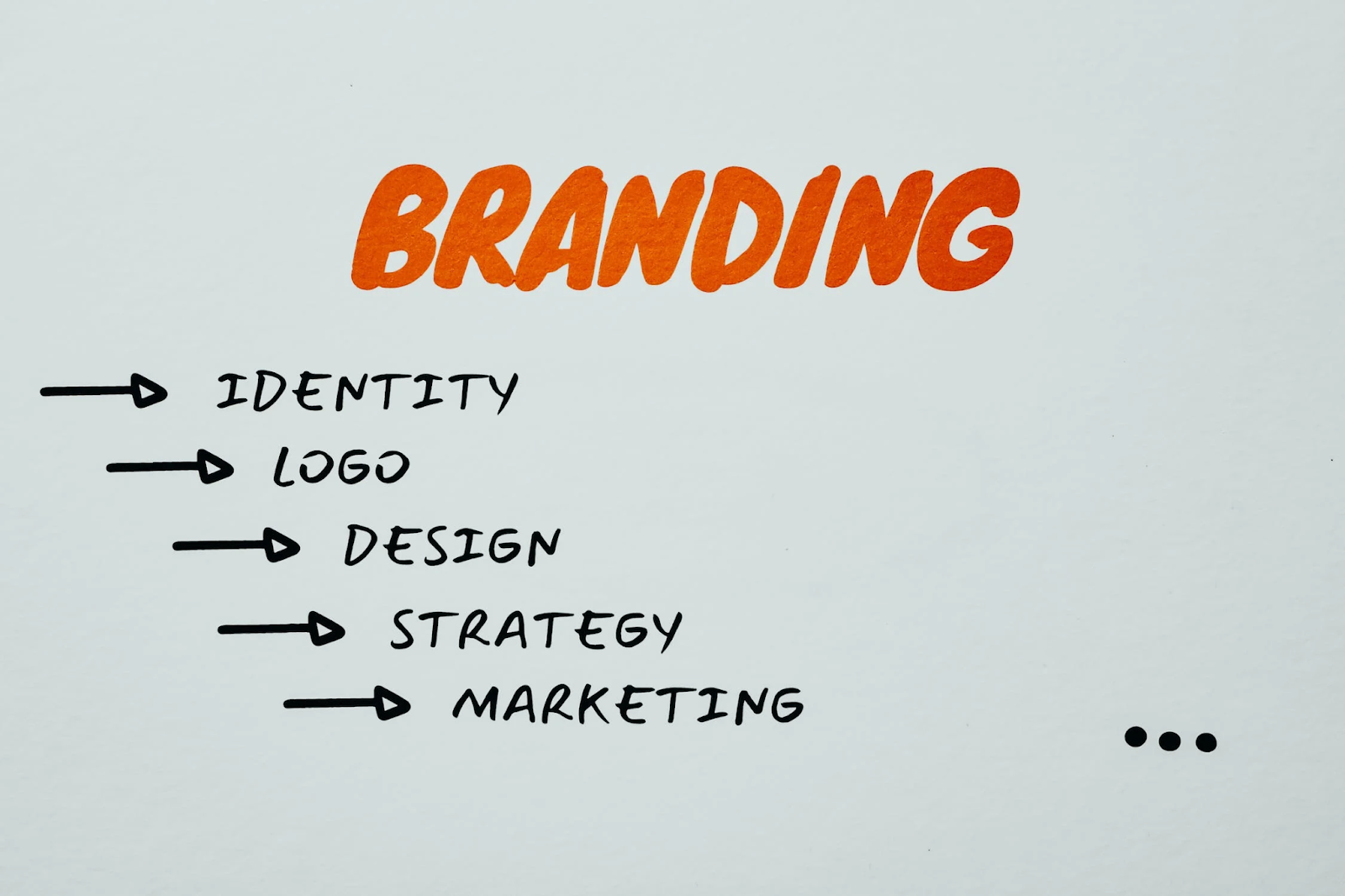
Influencer marketing means paying or partnering with creators who already have a loyal audience. Their followers trust them, so the promotion feels more authentic than a standard ad. It also lets you target a niche precisely.
However, it has challenges. Some influencers charge high fees, and finding the right fit takes time. Consequently, brands need a repeatable process for discovery, outreach and tracking. Tools can help: see the best all-in-one software to find, contact and track influencers, or learn how to manage creator outreach easily. Agencies can also compare the best influencer marketing platform for agencies managing multiple clients.
If you sell online, read SocialBook vs. Modash for ecommerce brands. Performance-based partnerships are another option; explore affiliate marketing with creators.
Disclosure rules for sponsored posts
Sponsored content must be labeled clearly. In the United States, the Federal Trade Commission publishes guidance on endorsements and disclosures. Check the rules in every market where you advertise.
Organic vs. Paid Social Media Marketing
Organic social media marketing covers free posts, comments and community building. It builds trust slowly. Paid social uses ads to reach specific audiences quickly. In practice, the two work best together: test content organically, then put budget behind the winners.
Social Media Marketing Metrics That Matter
Match each metric to a goal so your reports show business value, not vanity numbers.
- Awareness: reach, impressions and video views.
- Engagement: likes, comments, shares, saves and engagement rate.
- Audience growth: follower growth and growth rate.
- Traffic and sales: link clicks, conversions, conversion rate and return on ad spend (ROAS).
- Customer care: first reply time and resolution rate.
You can track social referral traffic with free tools such as Google Analytics.
How to Choose the Right Platform for Your Product
Start with your audience: age, gender, location and interests. Next, define your unique selling points so your content has a clear angle. Then match your goals and budget to each platform's strengths.
- Want in-depth education and search traffic? Choose YouTube.
- Want fast reach with younger buyers? Choose TikTok.
- Want visual branding and creator partnerships? Choose Instagram.
- Want B2B leads? Choose LinkedIn.
Adaptability matters, too. Diversify across a few channels to reduce risk, and review your return on investment regularly so you can adjust early.
Common social media marketing mistakes
- Posting on every platform instead of focusing on two or three.
- Publishing only promotional content.
- Ignoring comments and messages.
- Setting no goals, so nothing can be measured.
Frequently Asked Questions About Social Media Marketing
What is social media marketing in simple terms?
Social media marketing is using social platforms to promote your brand, connect with customers and drive sales through content, ads and partnerships.
Which platform is best for social media marketing?
It depends on your audience and goals. YouTube suits long-form education, TikTok suits young audiences and quick reach, and Instagram suits visual brands and influencer work.
How often should I post?
Consistency matters more than volume. Choose a schedule you can sustain, such as a few posts weekly per platform, and adjust using your analytics.
How do I measure social media marketing success?
Tie metrics to goals. Track reach for awareness, engagement rate for interest, clicks and conversions for sales, and response time for customer care.
Is influencer marketing part of social media marketing?
Yes. Influencer marketing is one tactic within social media marketing, using creators' audiences to extend your reach and credibility.
Your Next Step
Conclusion
Social media marketing works best when you pair a clear goal with the right platform and steady measurement. YouTube offers depth, TikTok offers fast reach, and Instagram offers visual storytelling and creator partnerships. Audit your presence, set SMART goals, know your audience, test, and adjust. We hope this guide helped. For questions or more content, log on to socialbook.io and send us a demo request email about our services!