
Influencer Marketing Platform for Agencies: Best Picks 2026
The right influencer marketing platform for agencies determines whether a team spends its week chasing spreadsheets or closing campaigns. Agencies juggling several client accounts at once need a single system that finds verified creators, automates outreach, and proves revenue — not a bookmarked list of Instagram handles. This guide compares the leading options on the market, breaks down exactly how a modern agency workflow should run from search to payout, and shows why thousands of agencies now manage creator campaigns through SocialBook.
Quick answer: The best influencer marketing platform for agencies combines a large, verified creator database, audience authenticity checks, bulk outreach automation, multi-client workspaces, and sales attribution in one dashboard. SocialBook covers all five, with search across 300 million+ profiles, a fake follower checker, Gmail/Outlook-connected outreach, and Shopify-synced revenue tracking — all for a lower entry cost than most enterprise-only competitors.
Agencies use an influencer marketing platform for agencies to replace spreadsheets with live creator data.
What Is an Influencer Marketing Platform for Agencies?
An influencer marketing platform for agencies is a dedicated system, not just a contact list, built to support every stage of creator marketing from search to payout. In practice, it merges a searchable creator database, audience verification tools, outreach automation, and campaign reporting into a single login that multiple client accounts can share safely.
Without this kind of system, agency staff typically scroll social apps manually, copy follower counts into shared sheets, and email creators one at a time. As a result, campaigns launch late, budgets get spent on the wrong accounts, and nobody can answer the one question every client eventually asks: which creators actually produced sales?
Why Agencies Need Agency Influencer Marketing Software, Not Generic Tools
According to Influencer Marketing Hub's benchmark research, the global influencer marketing industry has grown to roughly $35 billion in value, and agencies managing multiple brand accounts feel that growth directly in workload. In addition, client expectations around reporting have risen sharply; brands no longer accept follower counts alone as proof of success.
Consequently, dedicated agency influencer marketing software becomes an operational requirement rather than a convenience. Agencies that still rely on spreadsheets often lose hours to stale data, since follower counts and engagement rates shift daily. Furthermore, manual vetting leaves agencies exposed to creators with bought followers, which the FTC's endorsement guidance treats as a compliance risk for both the creator and the brand paying for the post. Similarly, inconsistent disclosure practices across client campaigns can expose an agency to reputational damage long after a campaign ends.
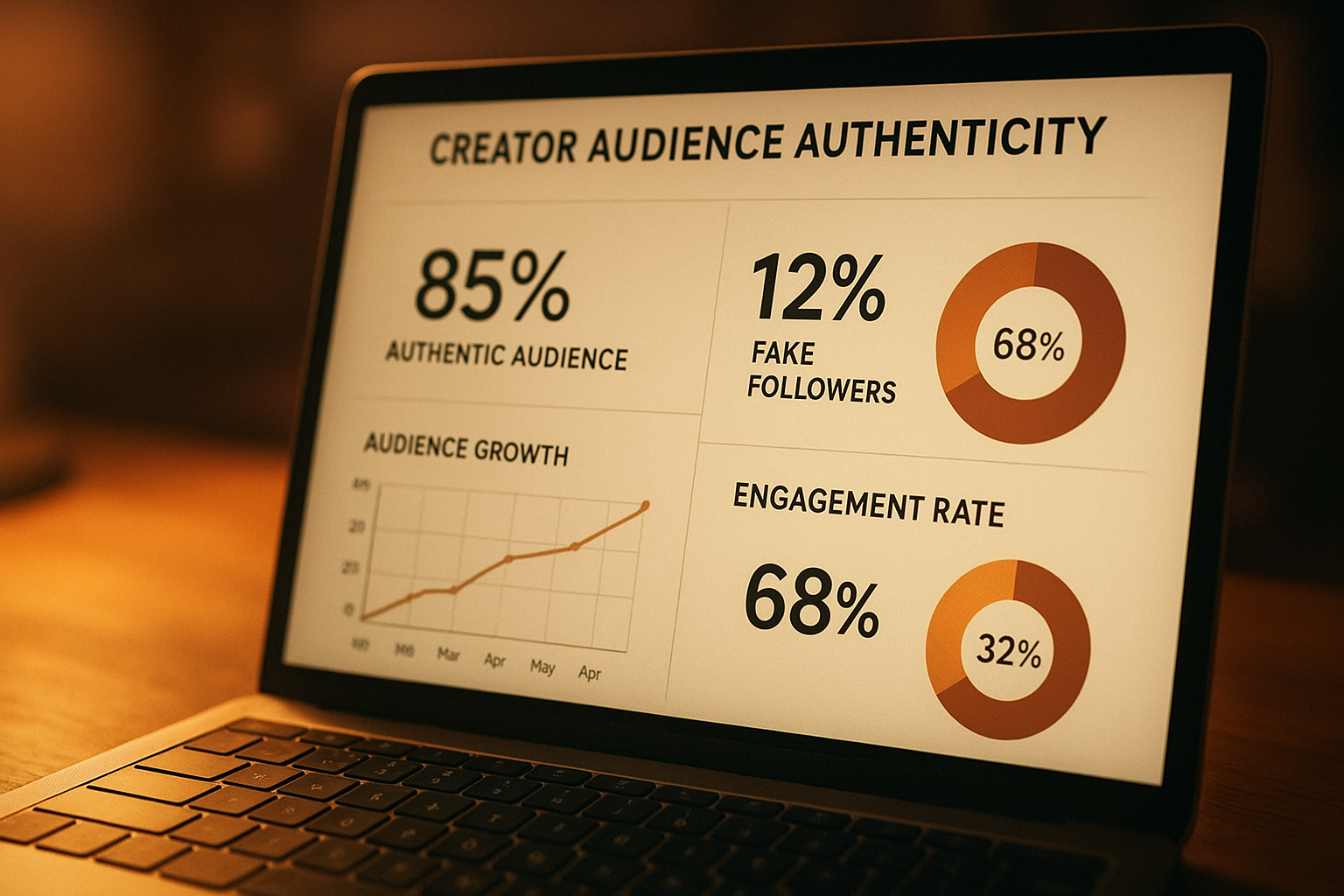
Checking audience authenticity prevents wasted budget on creators with fake followers.
Top Influencer Marketing Platforms for Agencies, Compared
Before committing budget, most agencies want to see the full field laid out side by side. Therefore, the table below compares the criteria that matter most for agency work specifically — not just database size, but multi-client support, pricing transparency, and whether revenue can actually be attributed to a creator.
| Platform | Creator Database | Multi-Client Workspaces | Revenue Attribution | Entry Pricing |
| SocialBook | 300M+ profiles, 4 platforms | Yes, built-in | Shopify-synced coupons + affiliate links | Tiered, agency-friendly |
| CreatorIQ | Large, enterprise-focused | Yes | Custom reporting modules | Enterprise quote only |
| GRIN | Mid-size, ecommerce-leaning | Limited | Shopify integration | Enterprise quote only |
| Upfluence | Large, broad search | Yes | Ecommerce plugins | Mid-to-high tier |
| Aspire | Marketplace-style | Partial | Basic order tracking | Mid tier |
In contrast to most entries above, SocialBook pairs a database of this size with pricing tiers small and mid-sized agencies can actually afford from day one. For a closer look at tools suited to smaller teams specifically, see our guide on the best influencer marketing tools for small and mid-sized brands.
How SocialBook Works for Agency Teams
SocialBook was built specifically for the workflow agencies repeat for every client: find creators, confirm they're real, reach out, manage the relationship, then prove results. The process breaks down into five clear steps.
- Discover matching creators. Search more than 300 million creator profiles across TikTok, Instagram, YouTube and Twitch, then narrow results using 20+ filters including niche, location, follower range and engagement rate.
- Vet audience quality. Review audience authenticity percentages, engagement quality and estimated pricing before spending a dollar, using the built-in fake follower checker.
- Send personalized bulk outreach. Message hundreds of creators at once from a connected Gmail or Outlook account, while automated follow-up sequences chase non-responders.
- Manage every relationship in one CRM. Track contracts, shipping, content approvals, timelines and payments inside the SocialBook influencer CRM instead of scattered inboxes.
- Measure revenue by creator. Connect Shopify-synced coupon codes and affiliate links so every post ties directly back to a sale, giving agencies a real revenue report for each client.
Notably, agencies that manage several brands at once often need these five steps repeated across accounts without data bleeding between clients. For a deeper breakdown of that exact challenge, our post on the best influencer marketing platform for agencies managing multiple clients walks through workspace setup step by step.
Key Features an Agency Creator Marketing Platform Must Have
Not every influencer platform suits agency work. Specifically, agencies managing several clients should prioritize database size and freshness, since a stale list wastes research time. Similarly, audience verification matters more for agencies than for solo brands, because a single bad recommendation can damage a client relationship permanently.
Above all, look for a system that separates client data cleanly, supports bulk outreach without sounding robotic, and reports performance in revenue terms rather than impressions alone. A tool like SocialBook's AI growth platform adds automated creator recommendations on top of manual search, which speeds up shortlisting for teams juggling multiple briefs at once.
Multi-Client Workspaces and Team Permissions
A platform becomes genuinely agency-ready once it supports multiple client workspaces, team permissions, and consolidated reporting across every active campaign. Without these, even a large creator database still forces agencies back into manual spreadsheet tracking between client accounts. Furthermore, granular permissions matter when junior staff handle outreach but only account leads should approve budget or contracts.
SocialBook vs Manual Outreach: The ROI Case
Manual outreach typically produces low reply rates because messages go out one at a time with no system for follow-up. In contrast, platforms that automate follow-up sequences consistently report higher response rates, since non-responders get a second or third touch without extra manual work.
Therefore, the time saved compounds across every client an agency manages. For example, an agency running five simultaneous campaigns can shortlist creators for all five from one search session instead of five separate manual research sprints. Browsing top influencer profiles by category also helps account teams benchmark pricing before negotiations start, which shortens the back-and-forth that normally eats into campaign timelines.
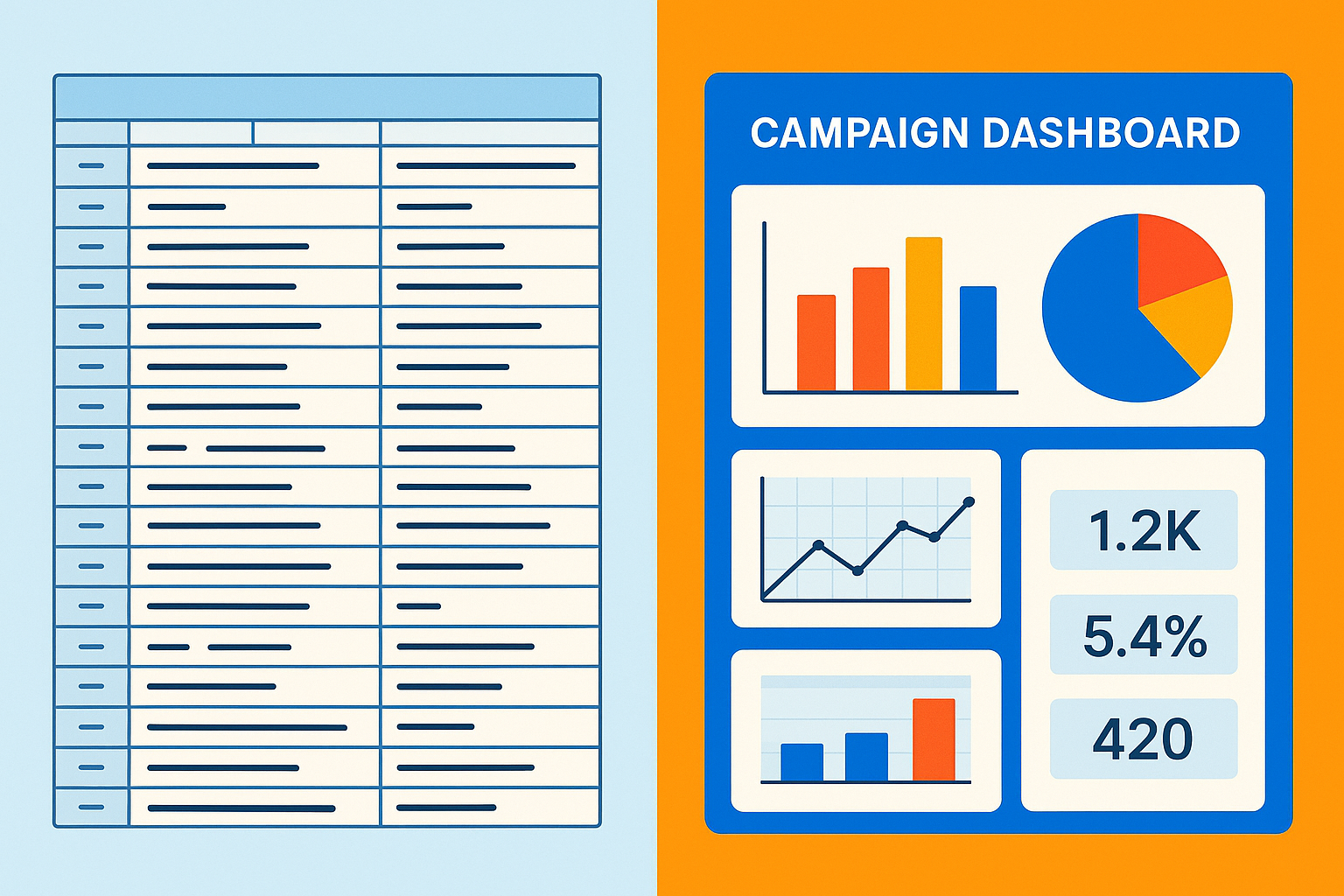
Switching from spreadsheets to an influencer marketing platform for agencies cuts research time significantly.
FTC Compliance and Disclosure Rules Agencies Must Enforce
Above all, agencies carry legal exposure when creators fail to disclose paid partnerships properly. Specifically, the FTC requires clear and conspicuous disclosure on every sponsored post, and agencies are frequently the party held responsible for enforcing that standard across a roster of creators. As a result, a platform that logs contracts and content approvals in one place — rather than across scattered email threads — gives agencies a defensible paper trail if a client or regulator ever asks for proof of compliance.
Choosing the Right Influencer Marketing Software for Your Agency
When comparing options, agencies should request a trial that includes real campaign data, not just a demo database. In particular, test the fake follower checker against a creator the team already knows, since this reveals how accurate the verification really is.
Additionally, confirm the platform supports affiliate or coupon tracking if ecommerce clients are part of the roster; SocialBook's deeplink tracking and affiliate program tools both feed directly into the revenue-by-creator reporting agencies need for client reviews. SocialBook has been used by more than 100,000 brands, agencies and creators, and holds a 4.7 out of 5 rating on G2, giving agencies third-party confirmation beyond any vendor's own marketing claims.
Influencer Marketing Platform Pricing: What Agencies Actually Pay
Pricing varies widely across this category. Entry-level plans with limited seats and search credits often start in the low hundreds per month, while enterprise plans with unlimited seats, white-label reporting, and dedicated account management can run into the thousands. Meanwhile, agencies just starting out should look for a tiered structure that lets them add seats and campaigns as the client roster grows, rather than locking into an annual enterprise contract before proving ROI internally. You can explore current plans and start a trial directly from the SocialBook homepage.
What Makes a Creator Marketing Platform Agency-Ready?
In short, an agency-ready platform does three things a brand-facing tool often skips: it isolates client data by workspace, it reports in revenue rather than impressions, and it gives team leads control over who can approve spend. Any influencer marketing tool for agencies missing even one of these three elements will eventually push the team back toward manual workarounds.
Frequently Asked Questions About Influencer Marketing Platform for Agencies
What is an influencer marketing platform for agencies?
An influencer marketing platform for agencies is software that lets agency teams search, vet, contact, and manage creators across multiple client accounts from one dashboard. It replaces spreadsheets and manual DMs with searchable databases, audience verification, bulk outreach, and performance tracking.
How does an influencer marketing platform help agencies manage multiple clients?
Most platforms let agencies create separate workspaces, lists, or campaigns for each client, keeping creator relationships, contracts, and reporting organized by account. This prevents mixing up budgets, content approvals, or payment details between brands.
Why do agencies need influencer marketing software instead of spreadsheets?
Spreadsheets go stale the moment follower counts change and offer no way to verify audience quality before spending client budget. Dedicated software refreshes creator data daily and flags fake followers automatically, protecting both agency reputation and client results.
How much does an influencer marketing platform for agencies typically cost?
Pricing varies widely, from free limited-access tools to enterprise plans costing thousands per month based on seats, creator database size, and campaign volume. Many platforms, including SocialBook, offer tiered plans so smaller agencies can start affordably and scale up.
How long does it take to launch a campaign using an influencer platform?
With a searchable database and automated outreach, agencies can shortlist creators and send initial contact within a single day instead of weeks of manual research. Full campaign setup, including negotiation and content approval, typically takes one to two weeks depending on creator response time.
What features should agencies look for in an influencer marketing tool?
Agencies should prioritize a large, frequently updated creator database, audience authenticity checks, bulk outreach with follow-up automation, and campaign reporting tied to sales. A built-in CRM for contracts, shipping, and payments also saves significant admin time.
How do agencies verify an influencer's audience is real?
Platforms with a fake follower checker analyze follower growth patterns, engagement ratios, and audience demographics to flag bought or bot followers. This lets agencies see authenticity percentages before committing client budget to a creator.
What is the difference between an influencer marketplace and an influencer database?
A database is a searchable list of creator profiles with analytics, while a marketplace adds two-way functionality where brands post campaigns and creators apply directly. Many modern platforms, including SocialBook, combine both models in one system.
Can agencies track ROI from influencer campaigns?
Yes, platforms that sync with ecommerce tools like Shopify can attribute sales to specific creators through unique coupon codes and affiliate links. This gives agencies a direct revenue figure to report back to clients instead of vanity metrics alone.
What common mistakes do agencies make when choosing influencer marketing software?
A common mistake is picking a tool based on database size alone without checking audience verification features or reporting depth. Agencies also underestimate the value of a CRM layer, which prevents contracts and content approvals from getting lost across tools.
How does SocialBook compare to building an in-house influencer marketing process?
Building an in-house process from spreadsheets and manual outreach is slower and offers no audience verification or revenue attribution. SocialBook consolidates discovery, vetting, outreach, CRM, and sales tracking into one system, cutting setup time significantly.
Which social platforms can agencies search using SocialBook?
SocialBook covers creator profiles across TikTok, Instagram, YouTube, and Twitch from a single search interface. This lets agencies compare cross-platform creators for the same campaign without switching tools.
Is there a free way to test an influencer marketing platform before committing?
Yes, many platforms offer free tiers or browser extensions for limited analytics before requiring a paid plan. SocialBook's free Checker Chrome extension, for example, pulls profile analytics while browsing creators directly on YouTube and Instagram.
How do agencies manage outreach and follow-up at scale?
Agencies connect their own Gmail or Outlook account to send personalized bulk messages, then rely on automated follow-up sequences for non-responders. This keeps every conversation logged against the correct creator and client campaign.
What's the difference between a platform built for agencies and one built for individual brands?
Agency-built platforms include multi-client workspaces, team permission controls, and consolidated reporting across campaigns that single-brand tools typically skip. In contrast, brand-facing tools usually assume one budget owner and one product line, which breaks down quickly once an agency onboards a second client.
Does an influencer marketing platform for agencies integrate with tools agencies already use?
Most agency-ready platforms connect with Gmail or Outlook for outreach and Shopify for revenue tracking, so existing workflows do not need to be rebuilt. SocialBook specifically syncs with these tools alongside its own CRM, which keeps the agency's current email and ecommerce stack intact.
What results can agencies expect from using a dedicated influencer marketing platform?
Agencies typically report faster creator sourcing, higher outreach reply rates, and clearer revenue attribution within the first few campaigns. Results vary by niche and budget, but the main gain is replacing guesswork with measurable, repeatable data.
Final Thoughts: Picking an Influencer Marketing Platform for Agencies
Choosing the right influencer marketing platform for agencies comes down to one test: does it replace guesswork with verified data and clear revenue reporting? A large creator database matters, but only when paired with audience verification, scalable outreach, multi-client workspaces, and a CRM that keeps every client organized. In addition, sales attribution through tools like Shopify-synced coupon codes turns influencer marketing from a cost center into a channel agencies can defend in every client review. SocialBook brings all of these pieces together in one login, which is why it has become a practical choice for agencies that need to prove results, not just report impressions. Agencies ready to move past spreadsheets can start exploring creator data directly at socialbook.io today.