So, you're trying to figure out this whole influencer thing, right? It's not just about how many people follow someone anymore. What really matters is how much those followers actually pay attention. That's where the Influencer Engagement Rate comes in. It's like a report card for how well an influencer connects with their audience. This guide will break down what it is, why it's a big deal, and how you can actually calculate it yourself. We'll also look at what's new and what to watch out for.
Key Takeaways
- Influencer Engagement Rate shows how much an audience interacts with a creator's content, not just how many followers they have.
- A high engagement rate means people are really interested in what the influencer posts, which is good for brands.
- You can calculate it by adding up interactions (likes, comments, shares) and dividing by the total followers, then multiplying by 100.
- Knowing the Influencer Engagement Rate helps you pick the right partners for your marketing and see if your campaigns are working.
- Watch out for common mistakes, like only looking at follower count or not checking if the influencer's audience matches your brand.
What is Engagement rate?
So, what exactly is this "engagement rate" everyone talks about? Simply put, it's a way to measure how much people are actually interacting with your social media content, not just seeing it. Think of it as the difference between someone walking past a shop window versus someone actually going inside, picking something up, and maybe even asking a question. It’s all about the actions people take.
This interaction can look like a lot of things. Likes are the most basic form, but comments, shares, saves, and even poll responses or direct messages count too. It’s any signal that your content caught someone’s attention enough for them to do something beyond just scrolling past. When we talk about influencer marketing, the engagement rate tells us how interested an influencer's followers are in what they're posting. A high rate means people aren't just passively following; they're actively participating.
Why does this matter more than just having a ton of followers? Well, a huge follower count can look impressive, but if none of those people are actually engaging, it doesn't mean much for a brand. It's like having a giant party guest list but only a few people actually show up and talk to you. Engagement shows that the content is connecting with the audience on a deeper level. It's a sign that the influencer has built a community that cares about their posts, which is what brands are really looking for when they partner with influencers. It helps measure a consumer's calculable interest in a specific brand [1866].
Here’s a quick look at what typically counts as engagement:
- Likes
- Comments
- Shares
- Saves
- Clicks (on links, profiles, etc.)
- Direct Messages
- Poll votes or sticker interactions
While follower count is a starting point, engagement rate gives a much clearer picture of an influencer's true influence and their audience's connection to their content. It's the difference between potential reach and actual impact.
Why Engagement rate Matters in 2026
So, why are we still talking about engagement rate in 2026? It’s easy to get caught up in follower counts, but honestly, that’s just vanity. What really counts is how many people are actually doing something with the content they see. That’s where engagement rate comes in.
1. Emphasis on Authenticity
People are tired of overly polished, inauthentic content. They want realness. An influencer with a high engagement rate often means they've built a genuine connection with their audience. It’s not just about selling something; it’s about sharing experiences and building trust. This shift towards authenticity means brands need to partner with creators who have a truly invested following, not just a large one. Think about it: would you rather buy from someone your friends genuinely like and talk to, or someone with a million followers who never interact?
2. Micro and Nano-Influencers Gain Prominence
Forget the mega-celebrities for a second. In 2026, we're seeing a huge rise in micro and nano-influencers. These creators might have smaller followings, but their engagement rates are often through the roof. Why? Because their audiences are usually super niche and highly dedicated. They feel like they know the influencer personally. This makes them way more likely to listen to recommendations. It’s all about that specific community connection.
3. Rise of AI-Powered Engagement
Okay, this one's a bit newer. AI is starting to play a role in how we interact online. While it can help automate some tasks, it also means we need to be even more discerning about what looks like real engagement versus bot activity. Genuine comments and thoughtful discussions are gold. Brands are looking for influencers who can spark real conversations, not just collect likes from automated accounts. It’s a sign that the influencer’s content is truly making people think or feel something.
The focus in 2026 is on quality interactions over sheer quantity of followers. A creator who can get 100 people talking about their post is often more valuable than one with 10,000 passive viewers. This is why understanding and tracking engagement rate is still a big deal for any successful Influencer marketing strategy.
What’s New in 2026
Things are always shifting in the social media world, and 2026 is no different. We're seeing some pretty interesting developments that change how we think about engagement. At the same time, as engagement formats evolve, brands are relying more on verified analytics platforms like SocialBook to understand whether these new types of interactions translate into real, measurable audience behavior.
Personalized Engagement Experiences
Forget one-size-fits-all. By 2026, brands and influencers are really zeroing in on making interactions feel super personal. This means tailoring content not just to broad demographics, but to individual user interests and past behaviors. Think direct messages that feel like a real chat, or content feeds that genuinely surprise you with relevance. It's all about making each person feel seen and heard.
As personalization increases, so does the need for accurate data. Brands now look beyond surface-level likes and examine deeper interaction patterns—such as comment quality, save rates, and repeat engagement—to determine whether personalization efforts are truly resonating with real audiences.
Virtual Influencers with Hyper-Realistic Engagement
This is a wild one. Virtual influencers, those computer-generated personalities, are getting incredibly lifelike. Their ability to interact and create content is becoming so advanced that it's sometimes hard to tell them apart from human influencers. This opens up new avenues for brands looking for consistent, controlled messaging, but it also raises questions about authenticity. The line between real and digital is blurring faster than ever.
Because of this, brands are paying closer attention to verified engagement metrics to distinguish between artificial amplification and genuine audience response. Advanced influencer analytics tools now help marketers evaluate historical interaction data to ensure engagement reflects real user activity rather than automated signals.
Immersive Engagement in the Metaverse
As the metaverse continues to grow, so does the potential for engagement. We're talking about virtual events, interactive brand experiences, and influencers hosting meet-and-greets in digital worlds. Instead of just scrolling through a feed on platforms like Instagram or TikTok, users can actually step into a branded environment. This offers a whole new level of interaction that goes beyond likes and comments. It's about being present in a shared digital space.
With immersive experiences becoming more common, measuring engagement also becomes more complex. Brands increasingly use analytics dashboards to track cross-platform interaction data, helping them understand how virtual participation translates into measurable influence and campaign performance.
In 2026, engagement isn’t just evolving in format—it’s evolving in how it’s measured. The smarter the interaction, the smarter the analytics need to be.
How does it help
So, you're wondering how all this engagement rate stuff actually helps your brand or your own social media game? It's not just about numbers on a screen, honestly. It's about understanding what's working and what's not, so you can actually get better results.
Step 1: Define Your Engagement Goals
First things first, what are you even trying to achieve? Are you looking to boost brand awareness, drive traffic to your website, or maybe get more people to sign up for your newsletter? Having clear goals makes it way easier to figure out if your engagement rate is actually moving the needle in the right direction. Without goals, you're just kind of guessing.
Step 2: Identify and Vet Potential Influencers
If you're working with influencers, this is where the engagement rate really shines. It helps you spot the fakes from the real deals. A high engagement rate often means an influencer has a genuine audience that actually cares about what they post, not just a bunch of bots or bought followers. You can use an engagement rate calculator to check this out. It's way better than just looking at follower counts, which can be super misleading.
Step 3: Calculate Engagement Rate Accurately
Okay, so this is the math part, but don't sweat it. There are a few ways to do it, but the basic idea is to see how many people are interacting (likes, comments, shares, saves) compared to how many people saw the post or how many followers you have. You can do it manually, but honestly, there are tools that make it a breeze. The key is to be consistent with how you calculate it.
Step 4: Monitor and Track Engagement Metrics
Once you've got your baseline, you gotta keep an eye on things. Are your comments going up? Are people sharing your posts more? Tracking these numbers over time shows you the trends. It's like a little report card for your content. You can see what types of posts get people talking and which ones just kind of fall flat.
Step 5: Analyze and Optimize Your Strategy
This is where the magic happens. You look at the data you've collected and figure out what it means. Maybe your video content is getting way more shares than your static images. Or perhaps asking questions in your captions really gets people commenting. Use this info to tweak what you're doing. Double down on what works and ditch what doesn't.
Step 6: Focus on Building Long-Term Relationships
Engagement isn't just a one-off thing. It's about building a community. When people feel connected to your brand or an influencer, they're more likely to stick around and keep interacting. This means focusing on authentic interactions, responding to comments, and just generally being a good sport online. It's about quality over quantity, really.
Step 7: Use Engagement Rate Calculator to Evaluate Influencers
As mentioned before, when you're looking at potential partners, don't just look at follower numbers. A huge following means nothing if no one is actually engaging with their content. Use a calculator to get a real sense of their influence. This helps you make smarter decisions about where to put your marketing budget, ensuring you're working with creators who can actually deliver results for your campaigns.
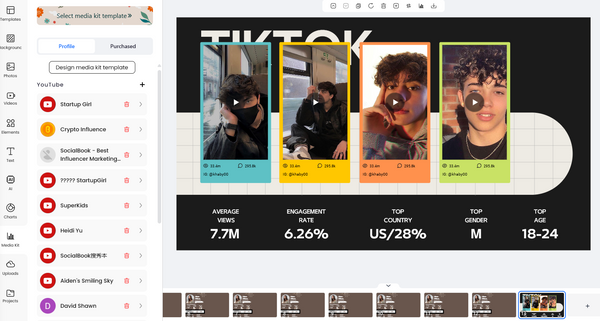
To make this process even easier, many brands now rely on analytics platforms such as SocialBook, which allow marketers to view verified engagement metrics, historical interaction trends, and real audience activity in one dashboard. By combining engagement rate calculations with trusted SaaS analytics data, brands can evaluate influencers more accurately and make smarter partnership decisions backed by real performance insights.
Common Mistakes to Avoid
When you're looking at influencer engagement, it's easy to trip up. People often focus too much on just the follower count, thinking bigger is always better. But a huge number of followers doesn't mean much if they aren't actually interacting with the content. It's the quality of engagement, not just the quantity, that really counts.
Another common pitfall is not checking the type of engagement. Are people leaving generic comments like "great post!" or are they asking questions, sharing their own experiences, or tagging friends? The latter shows a much deeper connection.
Here are a few things to watch out for:
- Ignoring Reach Fluctuations: Sometimes, a post might get a lot of views but not many likes or comments. This can happen for all sorts of reasons, and if you only look at the engagement rate without considering the reach, you might get a skewed picture. A low reach can make an engagement rate look higher than it really is, and vice versa.
- Only Looking at One Metric: Relying solely on one way to calculate engagement rate can be misleading. For instance, engagement rate by post is great for seeing how individual pieces of content perform, but engagement rate by impressions is better for paid ads. Using a mix of calculations gives you a more rounded view.
- Not Factoring in Time: Engagement isn't static. What works today might not work tomorrow. It’s important to track engagement over time, not just as a one-off snapshot. Daily engagement rate can show you trends in how often people interact with your account overall.
It's also super important to remember that engagement isn't just about likes and comments. Saves, shares, and even direct messages can tell you a lot about how much people value the content. Don't get so caught up in the numbers that you forget to look at what people are actually doing with the content.
Finally, don't forget to look at the influencer's audience. Are they the right people for your brand? A high engagement rate with the wrong audience is just wasted effort. Always do your homework to make sure the influencer's followers align with your target market.
Wrapping It Up
So, we've gone over what influencer engagement rate is and why it's a pretty big deal. It's not just about how many people follow someone; it's about how many of those people actually care about what the influencer is posting. We talked about how to figure out that rate, usually by looking at likes, comments, and shares compared to the follower count. Remember, a higher number here generally means the influencer is doing a good job connecting with their audience. This number helps brands figure out if an influencer is the right fit for them, making sure their message actually gets seen and heard by people who are interested. It’s a key piece of the puzzle when you’re trying to make influencer marketing work for you.
Frequently Asked Questions
What exactly is an influencer's engagement rate?
Think of an influencer's engagement rate as a way to see how much people actually like and interact with what they post. It's not just about how many people follow them, but how many of those followers actually like, comment, share, or save their posts. A high rate means their followers are really paying attention and enjoying their content.
How do I figure out an influencer's engagement rate?
It's pretty simple math! You add up all the likes, comments, shares, and saves on their posts and divide that by the total number of followers they have. Then, you multiply that number by 100 to get a percentage. This tells you how interactive their audience is.
What's considered a 'good' engagement rate?
A 'good' rate can change depending on the social media platform and the influencer's niche. But generally, a rate between 1% and 3.5% is seen as pretty good. If it's above 3.5%, that's usually considered high, and if it's over 6%, that's super high! It shows the influencer has a strong connection with their fans.
Why is engagement rate more important than just follower count?
Imagine having a million followers, but only a few people actually see or care about your posts. That's not very helpful for a brand! Engagement rate shows that the followers are real, interested, and likely to listen to the influencer's recommendations. It means the influencer can actually *influence* people, not just have a big audience.
Can engagement rate affect how much an influencer charges?
Absolutely! Influencers who have a high engagement rate are usually more valuable to brands because they can get their audience to take action. Because of this, they can often charge more for their sponsored posts. Brands are willing to pay more for someone who can truly connect with and move their followers.
Are there tools to help calculate engagement rates?
Yes, there are! You don't have to do all the math yourself. Many websites and apps offer free tools that can quickly calculate an influencer's engagement rate for you. These tools can save you time and help you compare different influencers easily.