To find YouTube influencers who genuinely grow a brand, marketers need more than a search bar and free time. Find YouTube influencers is the deliberate process of searching, filtering, and vetting creators on the platform until their audience, content style, and engagement quality match a specific campaign goal. Done well, this process turns a vague idea — "we should try influencer marketing" — into a repeatable channel with measurable return. Done poorly, it burns budget on creators with inflated follower counts, mismatched audiences, or no real influence over purchase decisions at all.
Quick answer: The fastest way to find YouTube influencers is to use a creator search platform such as SocialBook, filter by niche, location, and audience demographics, then confirm authenticity with a fake-follower checker before sending any outreach. Manual searching works for a single one-off deal, but it rarely scales past a handful of creators.
What Does It Mean to Find YouTube Influencers the Right Way?
Finding the right YouTube influencer means matching three things at once: audience fit, content fit, and budget fit. A creator with a million subscribers is not useful to a skincare brand if that audience is mostly teenage gamers in a country the brand does not ship to. In contrast, a 20,000-subscriber review channel can outperform a mega-influencer if its viewers trust every recommendation the host makes.
In practice, doing it "the right way" means layering data over intuition. Instead of judging a channel by subscriber count alone, marketers now check average view counts, audience location breakdowns, engagement rate, and whether a creator has promoted a competing product before. For example, a creator profile report can surface this information, including a creator's estimated pricing and past brand partnerships, so decisions rest on evidence instead of a hunch.
Why Brands Struggle to Find YouTube Influencers Manually
Searching YouTube by hand feels simple at first glance. Type a niche into the search bar, scroll, and note down a few channel names. However, this approach breaks down quickly once a brand needs more than three or four creators for a single campaign.
First, YouTube's own search and recommendation system is built for viewers, not marketers, so it does not surface audience demographics, engagement authenticity, or pricing. Second, spreadsheets built from manual research go stale almost immediately, since subscriber counts and engagement rates shift within weeks. Third, there is no reliable way to spot fake followers or bought views without specialized tools. As a result, teams often discover problems — the wrong country audience, bot-driven comments, a creator already working with a direct competitor — only after a contract is signed and product has shipped.

Most teams start trying to find YouTube influencers with spreadsheets before switching to a dedicated search platform.
How to Find YouTube Influencers Who Actually Drive Sales
Above all, a repeatable process beats a one-off search. The following six steps outline how marketing teams typically go from a blank brief to a signed creator ready to post.
- 1 Define the campaign goal first. Decide whether the priority is brand awareness, website traffic, or direct sales, because the ideal creator profile changes depending on the chosen objective.
- 2 Search a creator database. Filter a database of millions of creator profiles by niche, location, follower range, and engagement rate to narrow thousands of channels down to a focused shortlist.
- 3 Check audience demographics. Review each shortlisted channel's audience location, age range, and authenticity score to confirm real, relevant viewers are actually watching.
- 4 Run a fake follower check. Use a fake follower checker on borderline accounts to rule out bought subscribers or inflated view counts before any outreach message is sent.
- 5 Review past partnerships and pricing. Examine the creator's previous brand partnerships and estimated pricing to judge whether earlier sponsored content performed well and fits the available budget.
- 6 Send outreach and track results. Send personalized outreach, log every reply in one place, and assign coupon codes or affiliate links so results can be tied back to each individual creator.
Vetting Creators: How to Spot Fake Followers and Inflated Engagement
Fake followers remain one of the biggest risks in influencer marketing. Industry analysis has repeatedly estimated that advertisers lose significant sums each year to bot-driven audiences and bought engagement, which is why vetting matters as much as discovery. For broader context on disclosure and transparency expectations in this space, the Federal Trade Commission's influencer disclosure guidance is a useful reference point for any brand running sponsored content.
In particular, watch for sudden subscriber spikes with no matching content push, comment sections full of generic or repeated phrases, and engagement rates that look unusually high or low compared to similar channels in the same niche. A dedicated fake follower checker automates this comparison, flagging accounts that warrant a closer look before a brand commits budget.
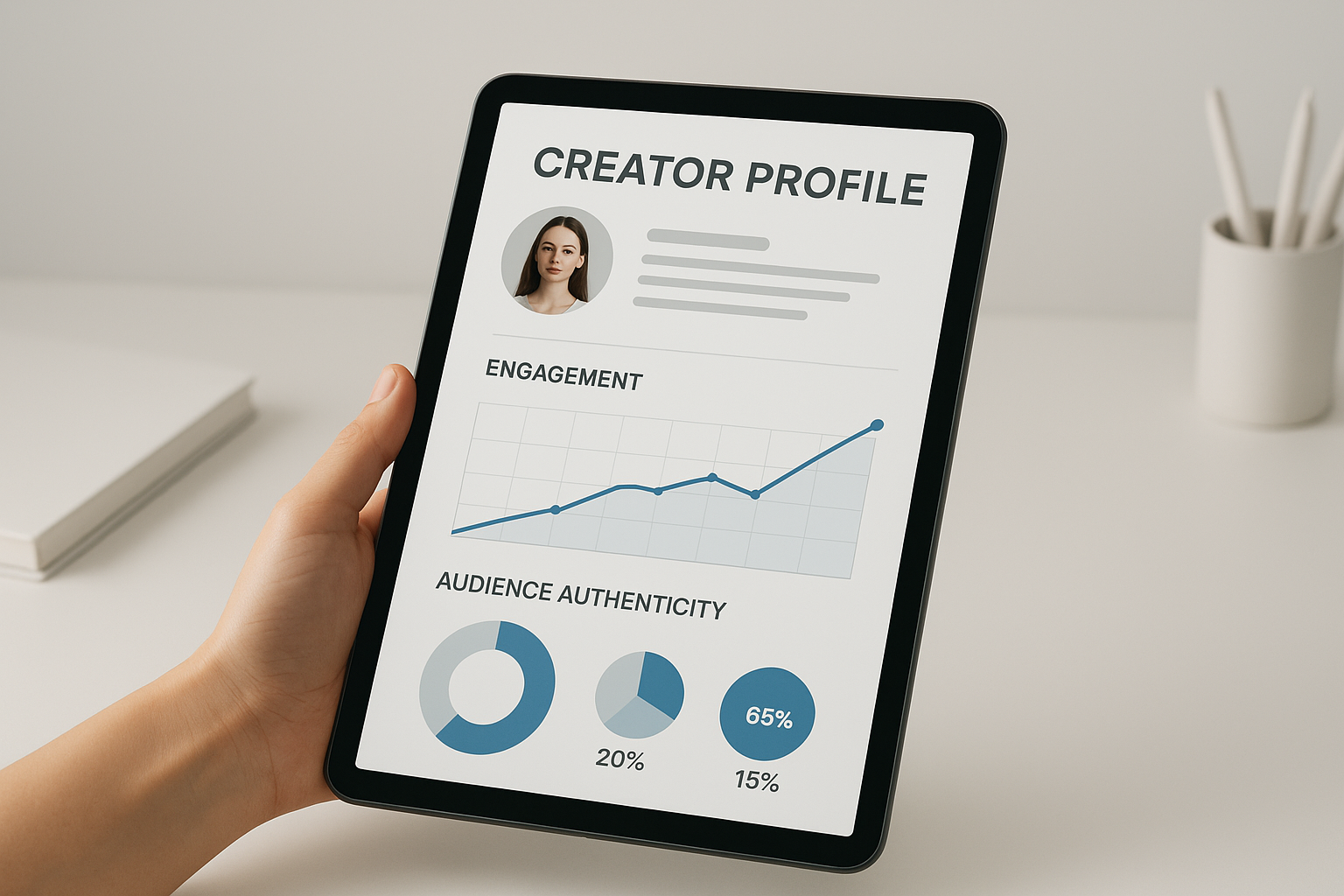
Audience authenticity reports help teams confirm a creator's followers are real before any budget is spent.
Where to Find YouTube Creators by Niche
Search strategy changes depending on the niche. Brands targeting productivity and work-from-home audiences, for instance, might start by studying established channels like those featured in this roundup of top productivity YouTubers, since it shows which formats and posting styles already resonate with that viewer base.
Similarly, consumer brands focused on a US audience often benefit from reviewing a list of rising American YouTubers to watch, while entertainment and commentary-driven campaigns can look at this guide to reaction and commentary channels for inspiration on tone and audience size. Home and lifestyle brands, on the other hand, may find stronger matches among DIY and home improvement creators, whose audiences tend to have high purchase intent. For a broader cross-platform view, the top influencers directory is a useful starting point before narrowing down to YouTube specifically.
Tools That Help You Find YouTube Influencers Faster
Therefore, most growing teams eventually replace manual search with a dedicated discovery platform. SocialBook, for example, indexes more than 300 million creator profiles across YouTube, Instagram, TikTok, and Twitch, refreshed daily, with more than 20 filters covering niche, location, follower range, engagement rate, and audience demographics. Instead of guessing, teams can also search by competitor, surfacing creators who already promote similar products.
In addition, every profile report includes audience authenticity scores, estimated pricing, and a creator's previous brand partnerships, so teams can compare options before committing budget. A free Chrome extension pulls the same analytics while browsing YouTube directly, and once outreach begins, personalized bulk messages with automated follow-up sequences replace sending emails one at a time. Shopify-synced coupon codes and affiliate links then make it possible to see, by name, which creator actually drove a sale. You can review the full feature set directly on SocialBook's platform.
Common Mistakes When You Search for YouTube Creators
Even with good tools, a few recurring mistakes undermine results. Chasing subscriber count over audience fit is the most common, followed closely by skipping fake follower checks on channels that look "too good to pass up." Consequently, campaigns launch with creators whose audience barely overlaps with the actual buyer profile.
Another frequent error is failing to set up tracking before launch, which makes it impossible to answer the only question leadership tends to ask afterward: did this creator actually drive revenue? Finally, treating influencer marketing as a one-time test rather than a repeatable channel means every campaign starts from zero instead of building on past data. YouTube itself hosts over 2.7 billion logged-in monthly users, so the audience exists; the gap is almost always process, not opportunity.
Frequently Asked Questions
What does it mean to find YouTube influencers for a brand?
To find YouTube influencers means searching, filtering, and verifying creators whose audience and content style match a specific campaign goal before any outreach happens. It involves checking subscriber authenticity, engagement rate, and audience demographics, not just subscriber count.
How do you find YouTube influencers on a small budget?
Focus on micro and mid-tier creators with 10,000 to 100,000 subscribers, since they typically charge less and often have stronger engagement rates than larger channels. Filtering a creator database by follower range and engagement rate quickly surfaces affordable, high-fit options.
How long does it take to find and vet YouTube influencers?
Manual research can take days or weeks per campaign, while a creator search platform with built-in audience and authenticity reports can shrink that to a few hours. The time depends mostly on how many creators need to be compared and vetted.
What is the difference between a YouTube influencer and a content creator?
A content creator makes videos for an audience, while an influencer is a content creator whose recommendations measurably affect what that audience buys or believes. In practice the terms overlap heavily, but brands care most about the influence part.
How much does it cost to hire a YouTube influencer?
Pricing varies widely, from a few hundred dollars for a dedicated video from a micro-creator to tens of thousands for a top-tier channel with millions of subscribers. Estimated pricing tools can give a realistic range before outreach starts, saving negotiation time.
What is the best way to check if a YouTube influencer has fake followers?
A dedicated fake follower checker analyzes subscriber growth patterns, comment authenticity, and audience location to flag suspicious accounts. Sudden subscriber spikes, mismatched engagement, or a mostly bot-like comment section are common warning signs.
Can you find YouTube influencers for free?
Yes, manual searching through YouTube's own search bar, hashtags, and related-video suggestions costs nothing but time. Free browser extensions can also pull basic profile analytics while browsing, though they rarely match the depth of a paid discovery platform.
What is a good engagement rate for a YouTube influencer?
Engagement rate expectations shift by channel size, but many marketers consider 3 to 6 percent solid for mid-sized creators, with smaller channels often performing higher. What matters more is comparing the rate against similar creators in the same niche.
What mistakes should brands avoid when searching for YouTube creators?
The most common mistakes are chasing subscriber count over audience fit, skipping fake follower checks, and failing to set up a way to track sales back to each creator. Avoiding these three issues alone resolves most failed influencer campaigns.
How do you track whether a YouTube influencer actually drove sales?
Unique coupon codes and trackable affiliate links assigned to each creator make it possible to tie specific purchases back to a specific video. Platforms that sync directly with ecommerce tools like Shopify can automate this reporting in real time.
Is a platform like SocialBook useful for finding YouTube influencers?
Yes, a platform such as SocialBook combines a 300 million-plus creator database with audience authenticity reports, bulk outreach, and sales tracking in one dashboard. This removes the need to juggle spreadsheets, separate email tools, and manual fraud checks.
How many creators should a brand contact for one campaign?
A common benchmark is contacting three to five times more creators than the campaign actually needs, since response and acceptance rates are rarely 100 percent. For a five-creator campaign, reaching out to 15 to 25 well-matched channels is a reasonable starting point.

Tracking coupon codes and affiliate links turns a YouTube influencer campaign into measurable revenue.
Final Thoughts
Ultimately, learning to find YouTube influencers is less about discovering hidden channels and more about building a repeatable system: define the goal, search with real filters, verify the audience, reach out at scale, and track every result back to revenue. Brands that skip any one of these steps tend to repeat the same costly mistakes — wasted budget, ghosted outreach, and campaigns nobody can prove worked. Brands that follow the process, using data-backed tools like audience authenticity reports, fake follower checkers, and sales tracking, turn influencer marketing into a channel they can measure, repeat, and scale with confidence.