Instagram Influencer Marketing: What It Costs in 2026
Instagram remains one of the most important platforms for influencer marketing in 2026.
But if you're planning an Instagram campaign, one question usually comes first:
How much does Instagram influencer marketing actually cost?
The answer isn't as simple as "$100 per post" or "$1,000 per influencer."
Creator pricing can vary dramatically depending on follower size, engagement rate, niche, content format, audience location, usage rights, and campaign requirements.
According to Collabstr's 2026 data, brands pay an average of $193 per Instagram collaboration, while creators list an average price of around $214. Instagram is also one of the most widely used platforms for influencer campaigns.
But averages only tell part of the story.
For brands, the bigger question is:
How can you find the right Instagram creators at the right price?
That's where influencer discovery and analytics platforms such as SocialBook can make a difference.
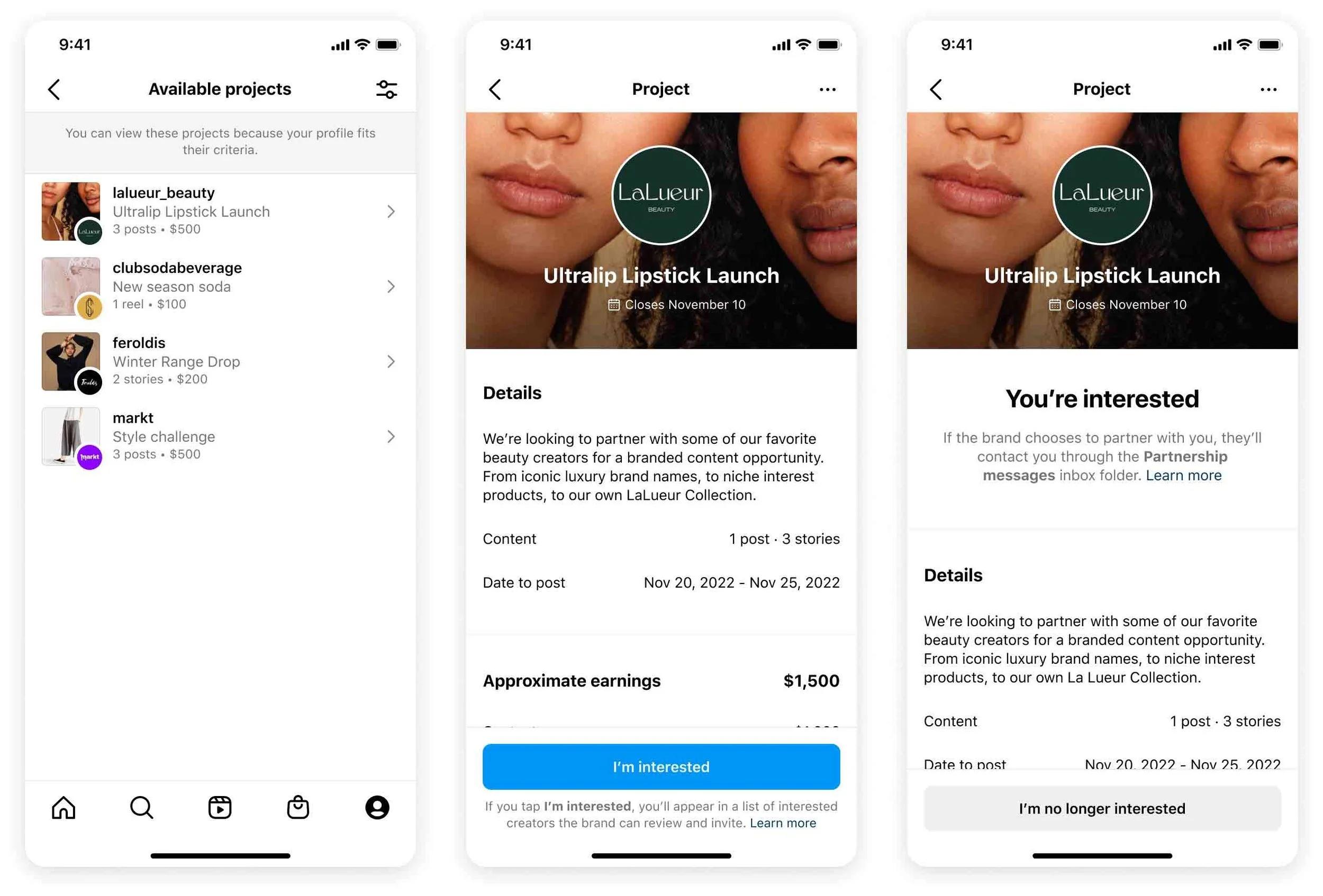
How Much Does Instagram Influencer Marketing Cost in 2026?
There is no universal Instagram influencer rate.
A creator with 10,000 followers might charge $50 for a Reel, while another creator with a highly engaged audience could charge several hundred dollars for the same format.
At the other end of the spectrum, larger creators can charge thousands of dollars for a single campaign.
Collabstr's 2026 marketplace data gives brands a useful benchmark:
| Platform | Average Brand Cost per Collaboration |
|---|---|
| YouTube | $255 |
| $193 | |
| TikTok | $186 |
| UGC | $154 |
| Twitch | $127 |
| Amazon | $88 |
| X | $76 |
These numbers should be treated as benchmarks rather than fixed prices.
The actual amount you pay can be higher or lower depending on the creator and campaign.
For example, a beauty brand working with a highly specialized creator may pay more than another brand working with a general lifestyle influencer, even if their follower counts are similar.
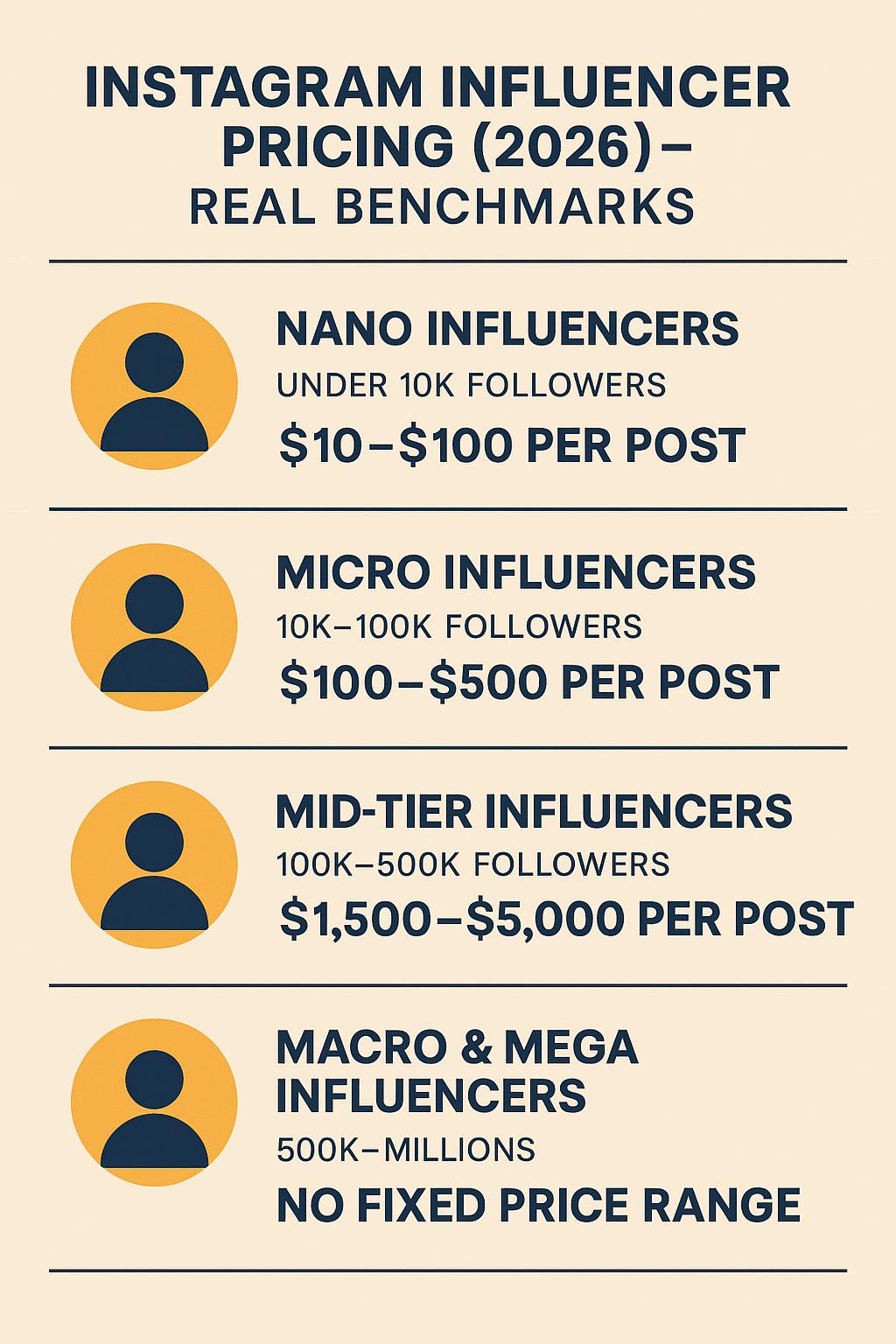
Instagram Influencer Rates by Creator Size
Follower count remains one of the easiest ways to categorize Instagram creators.
A typical influencer marketing campaign may include:
Nano Influencers: 1K–10K Followers
Nano influencers have relatively small audiences but can offer strong community relationships.
They are often useful for:
- Product seeding
- Local campaigns
- Niche products
- Testing new messaging
- Generating authentic UGC
For brands with limited budgets, nano creators can make it possible to work with many influencers instead of putting the entire budget behind one account.
Micro Influencers: 10K–100K Followers
Micro influencers are one of the most attractive groups for performance-focused campaigns.
They typically offer a balance between:
- Reach
- Engagement
- Affordability
- Niche expertise
For many ecommerce brands, working with multiple micro influencers can produce more usable content and audience coverage than hiring one large creator.
Mid-Tier Influencers: 100K–500K Followers
Once creators reach six figures, rates can increase significantly.
These creators can provide greater reach, but brands should also evaluate whether the additional exposure justifies the additional cost.
Macro Influencers: 500K–1M+ Followers
Macro influencers are generally more expensive and are often used for:
- Product launches
- Major awareness campaigns
- Brand positioning
- Large-scale content distribution
The important point is that bigger doesn't automatically mean better.
A 50K-follower creator with excellent audience fit can be more valuable than a 500K-follower creator whose audience has little interest in your product.
What Determines Instagram Influencer Pricing?
Follower count is only one part of the equation.
Here are the factors brands should consider when evaluating creator rates.
1. Engagement Rate
Two creators with the same number of followers can have completely different campaign values.
For example:
Creator A
- 100K followers
- 1% engagement
Creator B
- 100K followers
- 5% engagement
The second creator may have a much more active audience.
That's why SocialBook provides influencer data that can help brands evaluate engagement, recent performance, audience demographics, estimated pricing, and other creator metrics instead of relying solely on follower count. (https://socialbook.io/)
2. Content Format
An Instagram Story usually requires less production than a professionally edited Reel.
The price can change depending on whether you're requesting:
- Instagram Story
- Feed post
- Reel
- Carousel
- Product tutorial
- Unboxing
- Review
- Multiple posts
Brands should always define the exact deliverables before comparing creator prices.
3. Niche
Creator pricing also varies by industry.
Some niches have a huge supply of creators, while others require specialized knowledge or attract audiences with stronger purchasing intent.
For example, Collabstr's 2026 data shows average rates ranging from around $210 in some consumer categories to more than $300 in expertise-driven categories.
This means that asking:
"How much does an Instagram influencer cost?"
is less useful than asking:
"How much does an Instagram influencer in my niche cost?"
Why You Shouldn't Choose Influencers Based on Followers Alone
One of the biggest mistakes brands make is sorting creators purely by follower count.
Imagine you have a $10,000 campaign budget.
You could spend the entire budget on a few large influencers.
Or you could build a creator portfolio consisting of dozens of micro and nano influencers.
The second approach can give you:
- More pieces of content
- More creative variations
- More audience segments
- More opportunities to test messaging
- More potential winning creators
This is particularly valuable for ecommerce brands.
SocialBook allows brands to search across a large creator database and filter influencers based on factors such as platform, category, audience demographics and performance. (https://socialbook.io/)
Instead of asking:
"Who has the most followers?"
brands can ask:
"Which creators are most relevant to my campaign?"
That's a much better starting point.
How SocialBook Helps Brands Find Instagram Influencers
Finding influencers manually can become extremely time-consuming.
You may need to:
- Search Instagram
- Open creator profiles
- Check followers
- Check engagement
- Analyze their audience
- Estimate their price
- Collect contact information
- Send emails
- Track replies
- Manage negotiations
Doing this for 20 influencers is manageable.
Doing it for 500 influencers is not.
SocialBook is designed to consolidate this workflow.
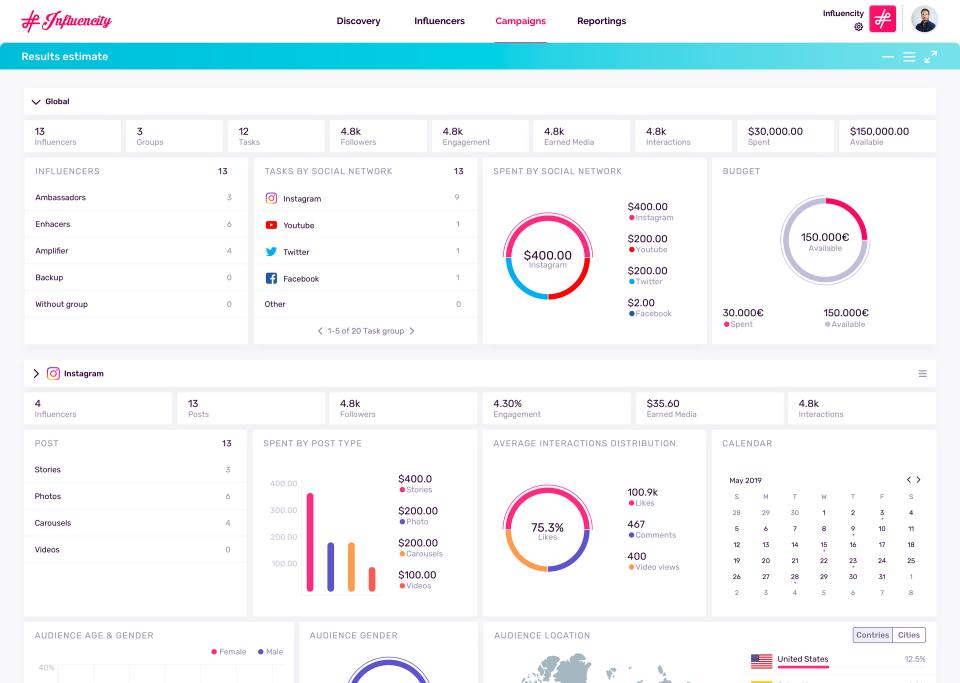
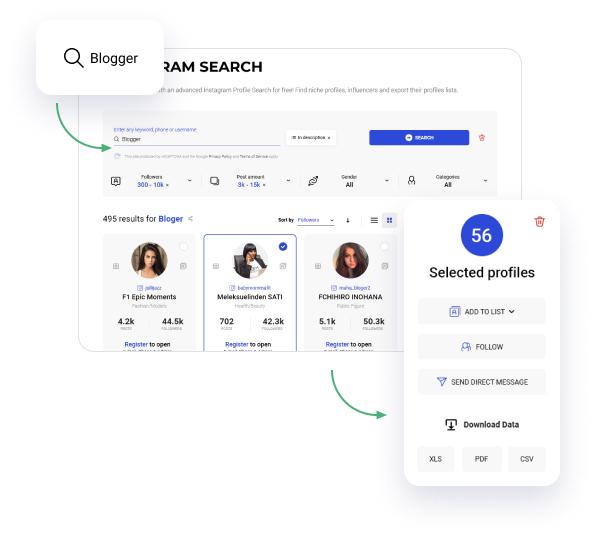
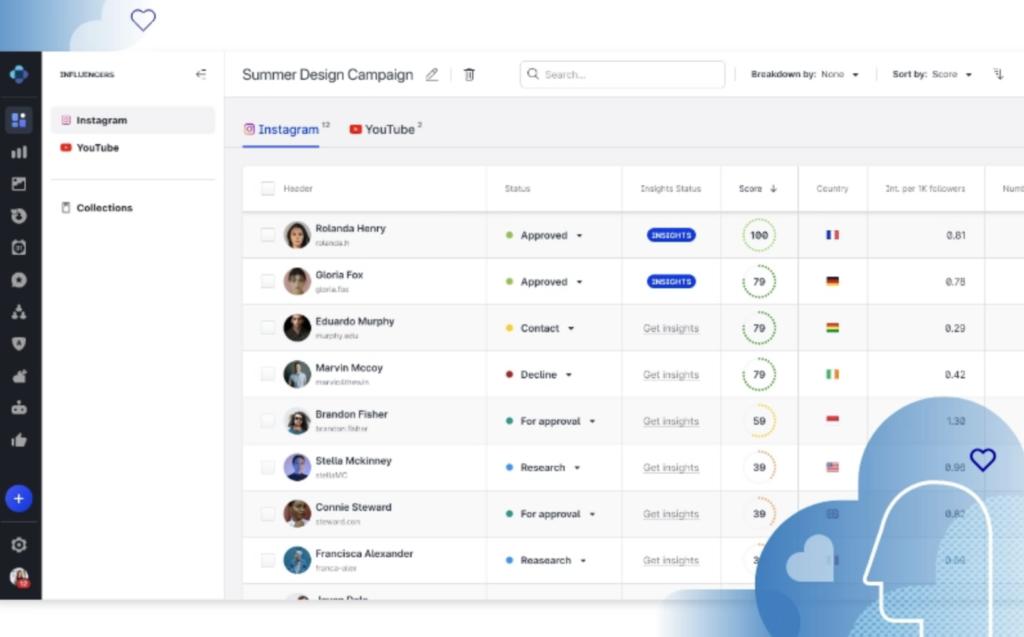
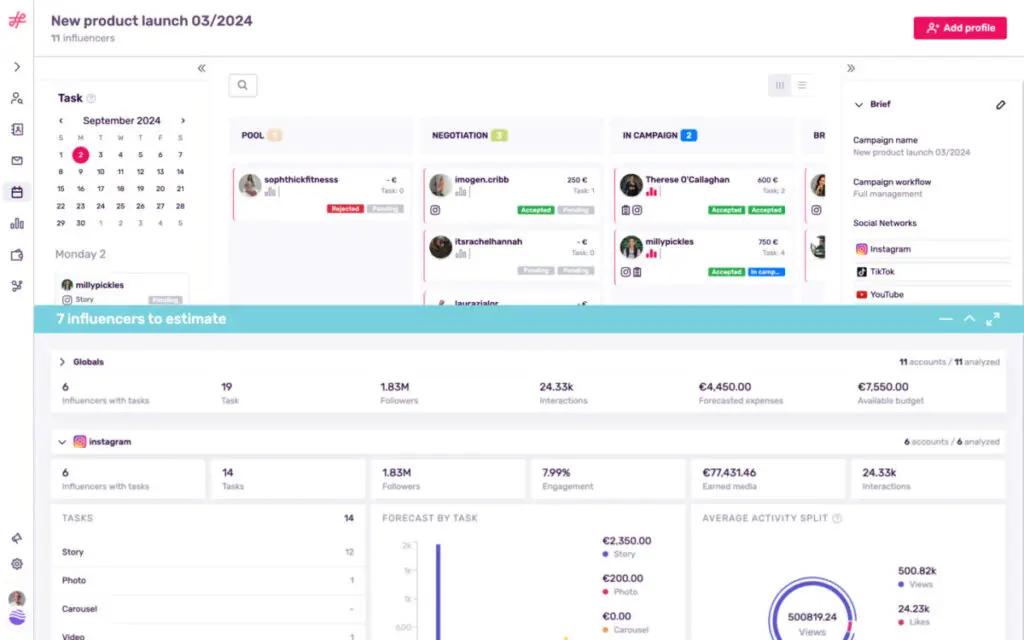
Search Millions of Creators
SocialBook's current platform provides access to 300M+ creator profiles and supports influencer discovery across major social platforms. (https://socialbook.io/)
Brands can search for creators using different criteria rather than relying on manual Instagram searches.
You can narrow down creators based on things such as:
- Social platform
- Keywords
- Category
- Audience
- Location
- Followers
- Engagement
- Estimated price
- Creator performance
This makes it easier to build a campaign shortlist before reaching out.
Use AI to Find Better Influencers
Influencer discovery is becoming increasingly data-driven.
Instead of manually searching thousands of creators, SocialBook's AI Product Diagnosis can analyze competitor information, recommend influencers and generate marketing strategies based on a brand's product and target market. (https://socialbook.io/)
For example, a skincare brand could provide its product information and target market.
Instead of simply searching for:
"beauty influencers"
the brand can use AI-assisted recommendations to identify creators who are more closely aligned with its product and campaign objectives.
This can significantly reduce the time spent on the initial discovery process.
Compare Influencer Prices Before You Collaborate
Another important part of influencer marketing is determining whether a creator's price is reasonable.
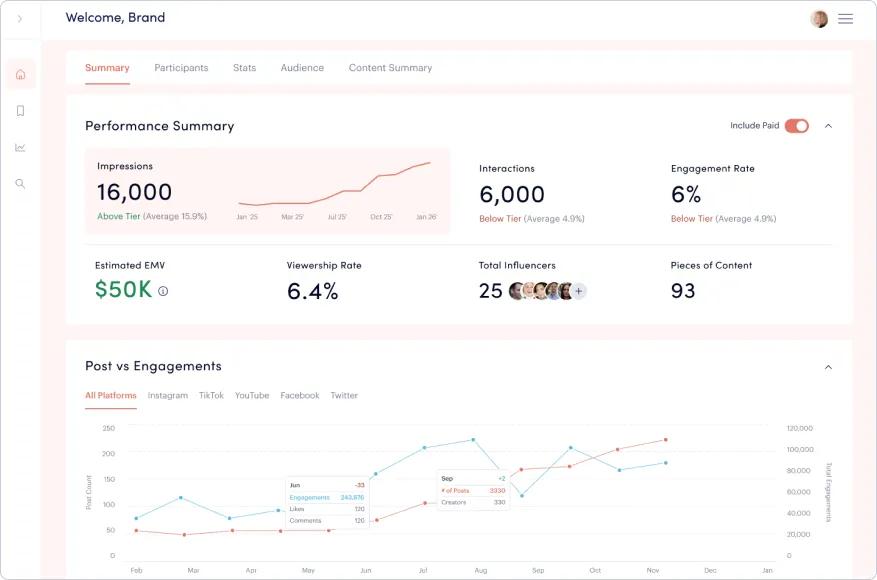
SocialBook provides influencer analytics and estimated pricing information, allowing brands to compare creators before starting negotiations. (https://socialbook.io/)
For example, imagine you have three potential creators:
| Creator | Followers | Engagement | Estimated Price |
|---|---|---|---|
| Creator A | 45K | 4.8% | $180 |
| Creator B | 72K | 1.7% | $260 |
| Creator C | 38K | 6.1% | $150 |
Creator B has the largest audience.
But that doesn't necessarily make them the best investment.
Creator C could potentially deliver better engagement at a lower cost.
This is why influencer selection should be treated as a data comparison problem, not simply a popularity contest.
Instagram Influencer Marketing: Cost vs. ROI
The cheapest influencer isn't necessarily the best influencer.
A better metric is:
Cost per meaningful result.
Depending on your campaign, that could mean:
- Cost per view
- Cost per engagement
- Cost per click
- Cost per acquisition
- Cost per piece of usable content
- Revenue generated
For example:
Campaign A
$5,000 spent
1,000,000 views
CPM = $5
Campaign B
$3,000 spent
300,000 views
CPM = $10
Campaign B costs less overall.
But Campaign A generates significantly more exposure for the budget.
SocialBook's influencer analytics and campaign tools can help brands move beyond follower counts and evaluate creators using campaign-relevant metrics. (https://socialbook.io/)
Don't Forget Content Usage Rights
Influencer marketing isn't always just about getting a post published.
The content itself can become a valuable marketing asset.
For example, a brand may want to:
- Repost the Reel
- Use the video on its website
- Run it as a paid ad
- Use it on TikTok
- Add it to Amazon product pages
- Include it in email marketing
These additional rights can affect creator pricing.
Therefore, before agreeing to a rate, brands should clarify:
What exactly am I buying?
A $200 Reel with organic-only usage is different from a $200 Reel that also includes six months of paid advertising rights.
How to Build an Instagram Influencer Marketing Budget in 2026
Instead of putting the entire budget into one creator, consider testing multiple creator tiers.
For example, a $5,000 test campaign could be structured like:
| Creator Tier | Number of Creators | Example Budget |
|---|---|---|
| Nano | 10 | $500 |
| Micro | 10 | $1,500 |
| Mid-tier | 5 | $2,000 |
| Content/UGC testing | — | $1,000 |
The exact allocation will depend on your niche and goals.
The purpose of this structure is to generate enough data to answer:
- Which creator tier performs best?
- Which content style works?
- Which niche converts?
- Which creators should receive a larger budget?
- Which creators should become long-term partners?
Once you identify winners, you can scale them.
How to Find Instagram Influencers Faster with SocialBook
A scalable influencer workflow can look like this:
Step 1: Define Your Target
Start with:
- Product
- Target market
- Audience
- Campaign goal
- Budget
- Content requirements
Step 2: Discover Creators
Use SocialBook to search for creators across Instagram and other major social platforms. (https://socialbook.io/)
Step 3: Analyze Their Performance
Check:
- Engagement
- Audience demographics
- Recent content
- Estimated pricing
- Creator relevance
Step 4: Build a Shortlist
Don't contact every influencer you find.
Create a focused list of creators who meet your requirements.
Step 5: Start Outreach
SocialBook also provides influencer outreach and campaign management tools, allowing brands to streamline communication rather than managing everything through spreadsheets. (https://socialbook.io/)
Step 6: Track Results
Monitor:
- Views
- Engagement
- Clicks
- Sales
- Campaign performance
- Creator ROI
Then reinvest in the creators who actually deliver.
Instagram Influencer Marketing FAQs
How much does an Instagram influencer cost in 2026?
There is no fixed price. Collabstr's 2026 data puts the average brand payment for an Instagram collaboration at about $193, while average listed rates are around $214.
However, individual rates can vary significantly depending on followers, engagement, niche, content format and usage rights.
Is Instagram influencer marketing expensive?
Not necessarily.
Although Instagram is one of the more expensive major platforms on a per-collaboration basis, Collabstr reports that nearly 80% of collaborations cost less than $300.
Brands can therefore start with relatively small creator tests before scaling.
Are micro influencers worth it?
Yes.
Micro influencers can be particularly useful when brands prioritize engagement, niche audiences and content volume over maximum reach.
How can I find Instagram influencers?
You can manually search Instagram, use creator marketplaces, or use influencer marketing platforms such as SocialBook to search, analyze and manage creators at scale. (https://socialbook.io/)
How do I know if an influencer is worth the price?
Compare more than follower count.
Look at:
- Engagement rate
- Audience quality
- Audience location
- Recent content performance
- Estimated pricing
- Content quality
- Campaign relevance
SocialBook provides creator analytics and estimated pricing tools to help brands make these comparisons before collaboration. (https://socialbook.io/)
Final Thoughts: Instagram Influencer Marketing Is About Efficiency
Instagram influencer marketing in 2026 isn't simply about finding the biggest creator you can afford.
It's about finding the right creator at the right price.
The latest marketplace data suggests that the average Instagram collaboration costs around $193, but that number is only a starting point.
Your actual cost will depend on your niche, creator tier, audience, engagement, content requirements and usage rights.
For brands running campaigns at scale, the biggest opportunity is therefore not simply negotiating a lower creator rate.
It's using better data to identify creators who are more likely to deliver results.
With SocialBook, brands can search a large creator database, analyze influencer performance, use AI-assisted recommendations, monitor competitors, conduct outreach and manage influencer campaigns from a more centralized workflow. (https://socialbook.io/)
The goal isn't to spend less on Instagram influencers.
It's to get more value from every dollar you spend.
