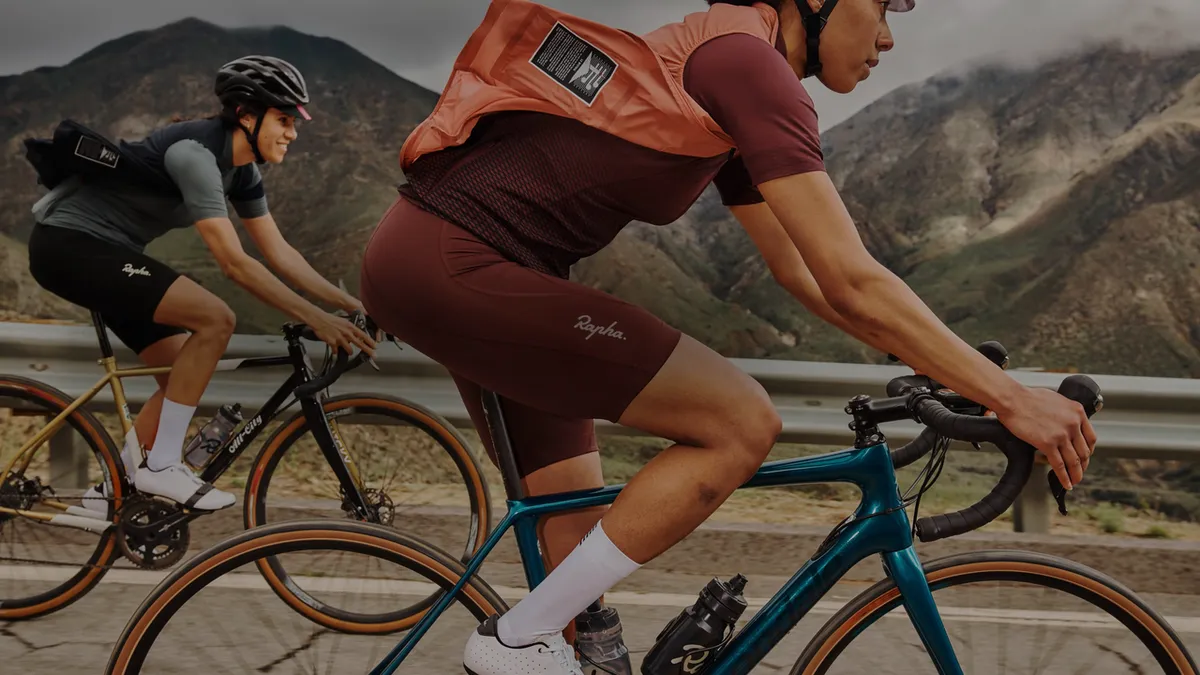
How Rapha Turned Cycling Apparel Into a Luxury Lifestyle Brand
Why This British Cycling Brand Refuses to Compete on Price—and Wins
Some people choose different coffee cups for different coffee beans.
Others choose different cycling kits for different bikes.
And they are willing to pay a premium for it.
One of the most iconic examples is Rapha, the British cycling apparel brand that sells basic jerseys for $150 or more—and somehow makes customers proud to wear its logo.
In an industry often viewed as traditional and highly competitive, Rapha created an entirely new category. Instead of competing on technical specifications or pricing, it transformed cycling apparel into a symbol of taste, identity, and belonging.
According to Grand View Research, the global bicycle market reached $84.25 billion in 2025. While cycling apparel accounts for only a small portion of that market, the cultural significance of cycling has evolved dramatically. In cities like London, San Francisco, Singapore, and Amsterdam, cycling has become more than transportation or exercise—it has become a lifestyle statement.
And Rapha recognized this shift long before most brands did.
The Brand That Rebelled Against Traditional Cycling Culture
Before Rapha entered the market, most cycling apparel followed the same formula:
- Bright fluorescent colors
- Sponsor-heavy designs
- Technical messaging focused on performance
- Visual identities borrowed from professional racing teams
To many consumers, cycling gear looked more like a moving billboard than premium apparel.
Rapha founder Simon Mottram saw an opportunity.
Coming from a branding and design background, he noticed a gap that most cycling companies ignored: aesthetics.
He believed cycling could be elegant, sophisticated, and emotionally meaningful.
Instead of following industry conventions, Rapha introduced:
- Minimalist designs
- Muted color palettes
- Premium fabrics
- Clean visual branding
- Its now-famous asymmetric armband stripe
The result was a completely different visual language.
Rather than selling speed or athletic performance, Rapha sold identity.
Wearing Rapha communicated something beyond cycling ability. It suggested taste, attention to detail, and membership in a particular cultural community.
This distinction allowed the company to create substantial pricing power.
Customers weren't simply purchasing a jersey.
They were buying access to a lifestyle.
Selling Community Instead of Products
One of Rapha's most powerful business decisions was expanding beyond apparel.
Around the world, the company opened Rapha Clubhouses—premium retail spaces that function more like private members' clubs than traditional stores.
Inside, visitors find:
- Specialty coffee
- Group rides
- Live race screenings
- Community events
- Cycling culture exhibitions
The atmosphere feels closer to a boutique hospitality experience than a sporting goods retailer.
These spaces serve an important strategic purpose.
They transform customers into community members.
When consumers build friendships, habits, and memories around a brand, price becomes less important. The relationship shifts from transaction to belonging.
This is one of the key reasons Rapha has maintained premium positioning while many competitors compete aggressively on discounts.
How Rapha Uses Storytelling to Build Emotional Value
Most brands use social media to promote products.
Rapha uses social media to tell stories.
Scrolling through Rapha's Instagram feels less like browsing a retailer's feed and more like reading a travel magazine.
The company rarely focuses on product features.
Instead, its content highlights:
- Remote mountain roads
- Harsh weather conditions
- Endurance challenges
- Human perseverance
- The emotional side of cycling
Many images depict riders battling rain, climbing steep roads, or pushing through exhaustion.
At first glance, it seems counterintuitive.
Why showcase suffering?
Because cycling isn't only about enjoyment.
For many enthusiasts, cycling represents discipline, resilience, self-discovery, and personal growth.
Rapha understands that consumers connect more deeply with meaning than with specifications.
The brand doesn't sell moisture-wicking fabrics.
It sells the feeling of becoming a stronger version of yourself.
That emotional connection creates loyalty that discounts simply cannot replicate.
The Influencer Strategy: Finding Believers, Not Advertisers
Rapha's influencer marketing strategy offers another lesson for modern brands.
While many companies chase celebrity endorsements and massive follower counts, Rapha focuses on credibility inside the cycling community.
One of the best examples is its partnership with professional cyclist Lachlan Morton.
Instead of creating traditional sponsored content, Rapha supported Morton's ambitious "Alt Tour" project.
Morton rode the entire Tour de France route independently.
There were no team buses.
No luxury accommodations.
No extensive support crews.
He fixed his own bike, endured harsh weather, and completed one of the most demanding endurance challenges in cycling.
Throughout the journey, audiences followed his story online.
The result wasn't a product campaign.
It was a narrative.
And narratives travel further than advertisements.
The partnership perfectly aligned with Rapha's brand values:
- Adventure
- Authenticity
- Endurance
- Self-reliance
- Passion for cycling
This is influencer marketing at its highest level.
The goal isn't to find people who can promote products.
The goal is to find people who embody the brand's philosophy.
What Can Global Brands Learn from Rapha?
Looking at Rapha in 2026, its success offers a valuable lesson for brands entering international markets.
Manufacturing excellence alone is no longer enough.
Supply chains can be copied.
Features can be copied.
Even pricing advantages can disappear.
What is much harder to replicate is cultural meaning.
Rapha demonstrates that strong brands are built through:
1. Community Over Traffic
Many businesses focus on acquiring as many customers as possible.
Rapha focuses on attracting the right customers.
A small group of highly engaged enthusiasts can create far more long-term value than a large audience driven purely by discounts.
Brands should think less about maximizing reach and more about building meaningful communities.
2. Storytelling Over Specifications
Consumers rarely remember technical details.
They remember stories.
The strongest brands create narratives that customers want to participate in and share with others.
3. Influence Over Exposure
The most effective creators are not always those with the largest audiences.
Often, niche experts and respected community figures generate deeper trust and stronger purchasing behavior.
Finding creators who genuinely align with a brand's mission can produce far greater results than traditional celebrity partnerships.
Final Thoughts
Rapha never tried to become the cheapest cycling brand.
It never attempted to serve everyone.
Instead, it focused on a specific audience, built a distinctive identity, and created a culture around its products.
In doing so, it transformed cycling apparel from a functional purchase into a symbol of belonging.
For brands competing in crowded markets, that may be the most important lesson of all:
The future of premium branding isn't about selling products.
It's about creating communities, identities, and stories people want to join.
