Could a Flying AI Camera Change Home Security?
Home security cameras have had the same basic limitation for years.They can only see what is in front of them.Want another angle?Add another camera.Want to see another room?Add another camera.Flyer O1 takes a different approach.What if the camera could simply go there?
What Is Flyer O1?
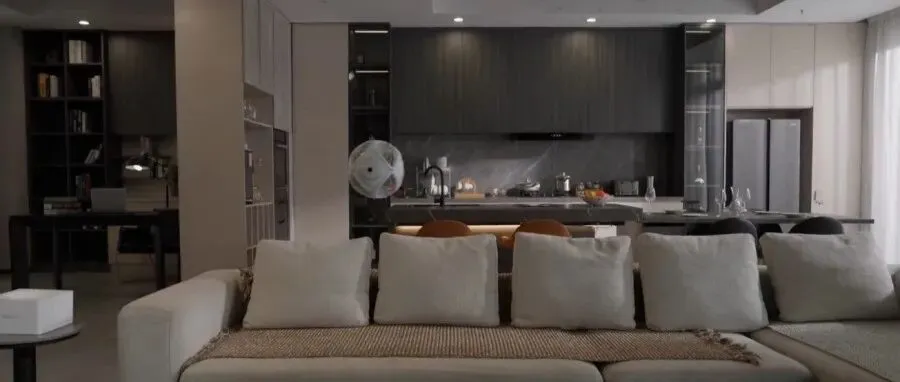
Flyer O1 is a flying AI robot designed for indoor use.Instead of staying fixed to a wall or shelf, it can move through the home.A user could ask it to check the kitchen, look for a pet or inspect an area that a fixed camera cannot see.That makes the product easy to understand.The camera comes to the problem.
Why Does Mobility Matter for Home Security?
Most home cameras are limited by placement.A perfect camera still has blind spots.The usual solution is more hardware.Mobility changes that.One device could potentially cover several parts of a home at different times.That does not automatically make fixed cameras obsolete, but it creates a new option.Some households may care more about flexible coverage than constant recording from every angle.
Is Flyer O1 an AI Agent?
The interesting version of the product goes beyond remote control.If the system can patrol, notice something unusual and decide where to look next, it starts to behave more like an AI agent.The user gives the objective.The system handles more of the process.That is the same broader shift happening across AI right now.People are moving from asking models for information to asking them to complete tasks.Flyer O1 brings that idea into a physical space.
What Is Physical AI?
Physical AI is a broad term for AI systems that can perceive and act in the real world.Examples include autonomous vehicles, robots and drones.A chatbot can understand a request.A physical AI system also needs to deal with movement, obstacles, changing environments and sensor data.That makes the problem much harder.It also makes the experience very different.
What Does Flyer O1 Have in Common With Robotaxis?
A flying home robot and a robotaxi are obviously different products.The connection is autonomy.A robotaxi receives a destination and handles the driving.A home robot could receive a request such as “check the kitchen” and handle the movement and observation.The interface becomes simpler.The complexity moves into the machine.
What Could a Flying AI Camera Actually Be Useful For?
The obvious use case is remote checking.Did I leave the stove on?Where is the cat?What made that noise?Is something unusual happening downstairs?Those are small questions, but they come up frequently.A mobile camera can potentially answer them without requiring cameras in every possible location.
Could This Become a Home Security Robot?
Possibly.A future version could patrol the home, respond to unusual sounds or movement, and send an alert when something deserves attention.That would be more useful than constantly sending notifications for every minor motion event.The quality of the AI matters here.People do not want more alerts.They want fewer alerts that are actually useful.
Privacy May Be the Hardest ProblemA flying camera inside the home immediately raises questions.Who can access the feed?
Is video stored locally or in the cloud?How long is it retained?Does the system remember rooms, objects or behavior patterns?Can people create private zones?Can the camera be disabled physically?These details may matter as much as the AI itself.Consumers already think carefully about indoor cameras.A camera that can move around the house will face even more scrutiny.
Will Flying Cameras Replace Fixed Cameras?
Probably not everywhere.A door camera does not need to fly.A garage camera may not need to move either.The value becomes clearer in spaces where users want flexible visibility.A mobile camera could complement fixed security systems rather than replace them entirely.That is often how new hardware categories develop.They first fill a gap.
Why Might Home Robots Get Vision Before Hands?
People often imagine home robots as humanoid machines doing chores.Manipulation is extremely difficult.Picking up a cup, opening a drawer and handling laundry all require precise physical control.Observation is easier.A robot can first learn to move through a space and understand what is happening.That makes vision a natural starting point.The first useful home robot may not cook dinner.It may simply know what is happening in the house when you are not there.
What Does This Mean for Smart Homes?
Smart homes have traditionally been built device by device.Smart lock.Smart thermostat.Smart camera.Smart speaker.A mobile AI agent suggests another model.One intelligent system could move through the environment and gather information as needed.That could eventually change how smart-home products are designed.
Why Is This Kind of Product Easy to Market on Social Media?
The demo is simple.“Go check the kitchen.”The device moves.The user sees the result.That is enough for a short video.New technology is much easier to market when consumers can understand the benefit before hearing the technical explanation.For hardware brands, a visible use case often does more work than a long feature list.
FAQ
What is Flyer O1?
Flyer O1 is an indoor flying AI robot designed to move through a home and provide mobile visual access.
How is Flyer O1 different from a normal security camera?
A fixed camera sees one area. A flying camera can move between locations.
What is physical AI?
Physical AI refers to AI systems that can sense, navigate and take actions in the real world through machines such as robots, vehicles or drones.
Could a flying AI camera improve home security?
It could provide flexible coverage and investigate specific areas, although real-world reliability and privacy controls will be critical.
What privacy concerns come with a flying home camera?
Key questions include remote access, video storage, data retention, spatial memory and control over where the device is allowed to go.
Final Thought
For years, home security has meant adding more cameras.Flyer O1 suggests a different idea.Maybe one camera can move.That sounds like a small change, but it points to something much bigger.AI is slowly leaving the screen.Once it can move through a real environment, it starts becoming part of the environment.
About SocialBook
SocialBook helps brands understand how emerging technology, creator content and social media shape consumer adoption.For new hardware products, a simple real-life demo is often the fastest way to make an unfamiliar category feel understandable.
