Influencer Search Engine: Find & Vet Creators Fast
An influencer search engine is the fastest way for brands and agencies to find real creators among the noise of TikTok, Instagram, YouTube and Twitch. Instead of scrolling hashtags for hours, marketers can type in a niche, a location or a follower range and get a ranked list of matching creators within seconds. This guide explains what an influencer search engine does, how it works, and how to choose one that actually helps you book the right partnerships.
In short: an influencer search engine is a searchable database and filtering tool that lets brands find, vet and contact social media creators by niche, platform, location, audience size and engagement rate — replacing manual hashtag research with structured, refreshed data.
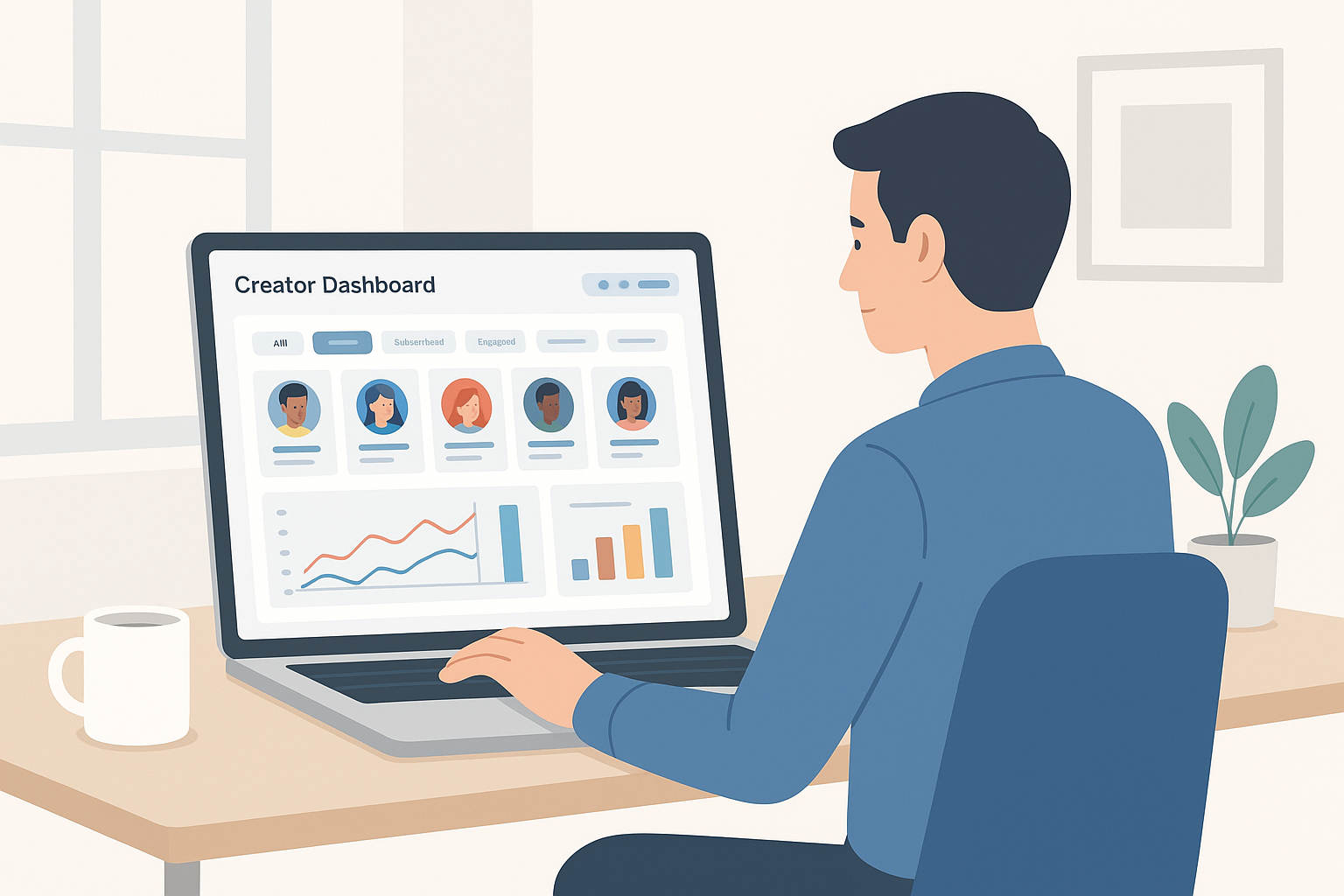
Finding the right creators starts with the right influencer search engine, not endless manual scrolling.
What Is an Influencer Search Engine?
An influencer search engine is a database-driven tool that indexes millions of public creator profiles and lets you filter them by criteria that actually predict campaign fit. Rather than typing hashtags into Instagram and scrolling for hours, you search by niche, platform, location, audience size and engagement quality, and the results update as the underlying data refreshes.
Most platforms, including SocialBook, combine search with verification. That means a profile report shows not just follower count, but audience demographics, estimated authenticity, pricing benchmarks and even a creator's past brand partnerships. In other words, the search engine does the first round of due diligence before a human ever reviews the shortlist.
According to the general definition of influencer marketing, the discipline relies on individuals with established trust and reach to promote products. A search engine simply makes that reach measurable and filterable instead of anecdotal.
Why Marketers Need a Creator Search Tool in 2026
Influencer marketing has grown from a side experiment into a core channel for most consumer brands. However, the way many teams still run it has not kept pace. Spreadsheets go stale the moment they are built, and follower counts listed on Monday can be wrong by Friday.
Industry research from Influencer Marketing Hub has estimated the global influencer marketing industry at roughly $24 billion, a figure that has climbed steadily as brands shift budget away from traditional display ads. As a result, competition for the right creators has intensified, and teams without a structured creator search tool fall behind faster.
Furthermore, fake followers remain a real risk. Independent audits have found that a meaningful share of accounts on major platforms carry inflated, purchased, or bot-driven audiences. Consequently, verification is no longer optional; it has become a core function that any serious influencer discovery platform must provide.
How Does an Influencer Search Engine Work?
In short, an influencer search engine pulls public profile data from supported platforms, structures it into searchable fields, and layers on filters and verification scoring so brands can shortlist creators in minutes rather than weeks. Here is the typical workflow brands follow from first search to tracked sales.
- Define your campaign criteria. Decide on niche, platform, budget range and goal before searching, since clear criteria make filtering far more effective.
- Search and filter the creator database. Apply filters like location, follower range and engagement rate to narrow millions of profiles to a realistic shortlist.
- Vet shortlisted creators. Review audience authenticity scores, past partnerships and estimated pricing before any money changes hands.
- Launch personalized outreach. Send bulk but personalized messages, then let automated follow-up sequences chase non-responders.
- Manage and track the campaign. Centralize contracts, approvals and payments, then track sales with coupon codes or affiliate links.
Tools like the SocialBook AI growth platform automate most of this sequence, which is precisely why teams that adopt an influencer search engine typically launch campaigns faster than teams relying on manual research.
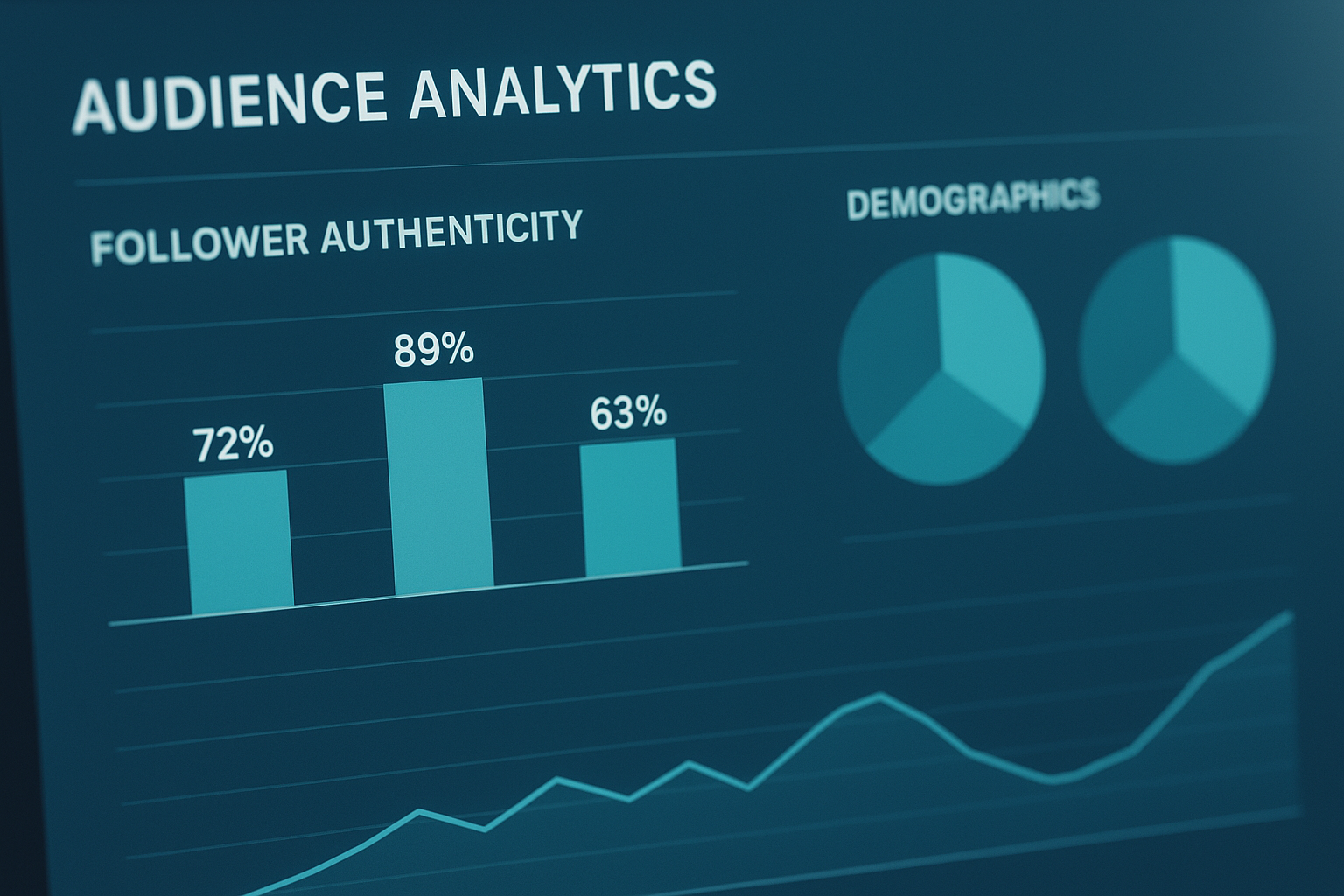
Audience authenticity data helps brands avoid paying for fake engagement.
Key Features of a Strong Influencer Search Engine
Not every creator database offers the same depth. Before committing to a platform, check for the following capabilities.
- Cross-platform coverage spanning TikTok, Instagram, YouTube and Twitch, so you are not juggling separate tools.
- Twenty or more filters, including niche, location, follower range, engagement rate and audience demographics.
- A built-in fake follower checker to flag inflated or bot-driven audiences before any spend happens.
- Competitor search, so you can see which creators are already promoting similar products.
- Built-in outreach, contracts and payment tracking so the workflow does not end at discovery.
In particular, pricing estimation matters. Knowing what a creator typically charges before you message them prevents wasted negotiation time and sets realistic campaign budgets from day one.
SocialBook: An AI-Powered Influencer Search Engine for Brands and Agencies
SocialBook was founded in 2014 and is headquartered in San Francisco, with a global team spanning the United States and Asia. More than 100,000 brands, agencies and creators have used the platform, and it has appeared on the Inc. 5000 list of fastest-growing private companies in consecutive years.
As an influencer search engine, SocialBook indexes more than 300 million creator profiles and refreshes that data daily. Brands can search by name, by filter, or by competitor to find creators already promoting similar products, while AI-powered recommendations surface high-fit matches automatically. You can browse the full catalog of top influencers directly inside the platform.
Beyond discovery, SocialBook adds verification, personalized bulk outreach from your own Gmail or Outlook account, and an influencer CRM that holds contracts, shipping and content approvals. Sales attribution happens through deep-linked tracking and the affiliate program, so brands can finally answer which creators drove actual revenue instead of just impressions.
Influencer Search Engine vs. Manual Scrolling: What Actually Changes
Manual research means scrolling hashtags, guessing at engagement from public likes, and building a spreadsheet that is outdated the day it is finished. By contrast, a search engine pulls structured, refreshed data and applies consistent filters across every profile you review.
Similarly, outreach changes shape entirely. One-by-one DMs have low reply rates and no system for follow-up. A connected outreach tool, however, sends personalized bulk messages and automatically follows up with non-responders, which raises reply rates without adding manual work.
Above all, reporting improves. Instead of guessing whether a campaign worked, coupon-code and affiliate-link tracking ties each sale back to a specific creator, which is something a spreadsheet simply cannot do on its own.

Centralized outreach and reporting turn scattered creator research into a repeatable process.
Common Mistakes When Using a Creator Discovery Platform
Even with good software, poor habits undermine results. The most common mistake is chasing follower count instead of audience fit, which often means paying a premium for reach that never converts.
In addition, skipping authenticity checks is risky. A creator can look impressive on the surface while a large share of their audience is inactive or fake. Therefore, always review authenticity scores before negotiating a rate.
Finally, many teams forget to set up tracking before launch. Without a coupon code or affiliate link in place from day one, it becomes nearly impossible to credit sales to the right creator after the campaign ends. You can learn more about setting up tracking at socialbook.io.
Frequently Asked Questions About Influencer Search Engines
What is an influencer search engine?
An influencer search engine is a software tool that lets brands search, filter and compare creator profiles across platforms like TikTok, Instagram, YouTube and Twitch using data such as niche, location, follower count and engagement rate.
How does an influencer search engine find creators?
It crawls and indexes public creator profiles, then lets users apply filters like audience demographics, niche and engagement quality to surface relevant matches instantly instead of manual scrolling.
Is an influencer search engine the same as an influencer marketplace?
Not exactly. A search engine focuses on discovery and filtering, while a marketplace adds a layer where creators apply to campaigns. Many modern platforms, including SocialBook, combine both functions in one dashboard.
How much does an influencer search engine cost?
Pricing varies widely, from free basic search tools to paid platforms with monthly subscriptions based on search volume, team seats and outreach limits included in the plan.
Why should brands use a creator search tool instead of manual outreach?
A creator search tool saves hours of manual scrolling, surfaces audience authenticity data before any money is spent, and lets teams run outreach and reporting at scale instead of one direct message at a time.
Can an influencer search engine detect fake followers?
Many platforms include a fake follower checker that analyzes follower growth patterns, engagement ratios and audience location to flag accounts with purchased or bot followers.
What filters matter most when searching for influencers?
Niche relevance, audience location, engagement rate and past brand partnerships typically matter more than raw follower count for predicting campaign performance.
How long does it take to find the right creators?
With a dedicated influencer search engine, brands can shortlist relevant creators in minutes. Manual research across platforms usually takes days or weeks for the same result.
What is the biggest mistake brands make when searching for influencers?
The most common mistake is prioritizing follower count over audience authenticity and niche fit, which leads to wasted budget on creators whose audience does not actually buy.
Can small businesses use an influencer search engine?
Yes, many platforms let small businesses filter by micro-influencer follower ranges and budget, making creator partnerships accessible without large ad spend.
Does an influencer search engine work across multiple social platforms?
The best tools index creators across TikTok, Instagram, YouTube and Twitch simultaneously, so brands do not need separate tools for each platform.
How do I measure ROI after finding creators through a search engine?
Track performance using unique coupon codes, affiliate links or UTM parameters tied to each creator so sales can be attributed directly back to specific posts.
What is the difference between an influencer search engine and a spreadsheet method?
A spreadsheet relies on manually collected, quickly outdated data, while a search engine pulls refreshed profile data automatically and adds verification layers a spreadsheet simply cannot provide.
Final Thoughts
Choosing the right influencer search engine changes how an entire team works, not just how fast a shortlist gets built. In particular, it replaces guesswork with data at every stage: discovery, verification, outreach and reporting. As a result, campaigns launch faster, budget goes to creators with real audiences, and leadership finally gets a clear answer on which partnerships drove revenue.
Whether you manage a single brand or run campaigns for multiple clients, an influencer search engine like SocialBook turns creator marketing into a repeatable, measurable channel rather than a one-off experiment. For more detail on setting up a campaign, visit socialbook.io and explore the platform directly.


Empower your brand with cutting-edge tools and strategies to master influencer marketing, build a loyal audience, and drive real growth.


For Brands
For Influencers
RESOURCES
Growth Tools
© 2026 SOCIALBOOK. ALL RIGHTS RESERVED