A creator marketing platform is the software layer that lets brands find influencers, check whether their audiences are real, contact them at scale, and track whether those partnerships actually drive sales. Instead of scrolling TikTok and Instagram by hand and keeping notes in a spreadsheet, teams run the entire process — search, vetting, outreach, management, and reporting — from one login. As a result, campaigns launch faster, budget goes toward creators who can genuinely deliver, and leadership finally gets a clear answer when they ask which creators drove revenue.
Quick answer: A creator marketing platform combines creator search, audience verification, outreach automation, and campaign tracking in one dashboard, replacing manual research and scattered spreadsheets with a repeatable, measurable workflow. SocialBook is one example, giving brands access to over 300 million creator profiles across TikTok, Instagram, YouTube, and Twitch.
What Is a Creator Marketing Platform?
In short, a creator marketing platform is a working system, not just a list of names. It stores creator data, analyzes audience quality, and manages the relationship from first message to final payment. For instance, SocialBook refreshes its database daily so follower counts and engagement rates reflect current performance rather than last month's snapshot.
Because influencer marketing has grown into a core marketing channel, the tools supporting it have matured too. According to Wikipedia's overview of influencer marketing, the practice relies on individuals with an engaged following to shape audience opinion, which is exactly why audience authenticity matters so much when selecting a partner.
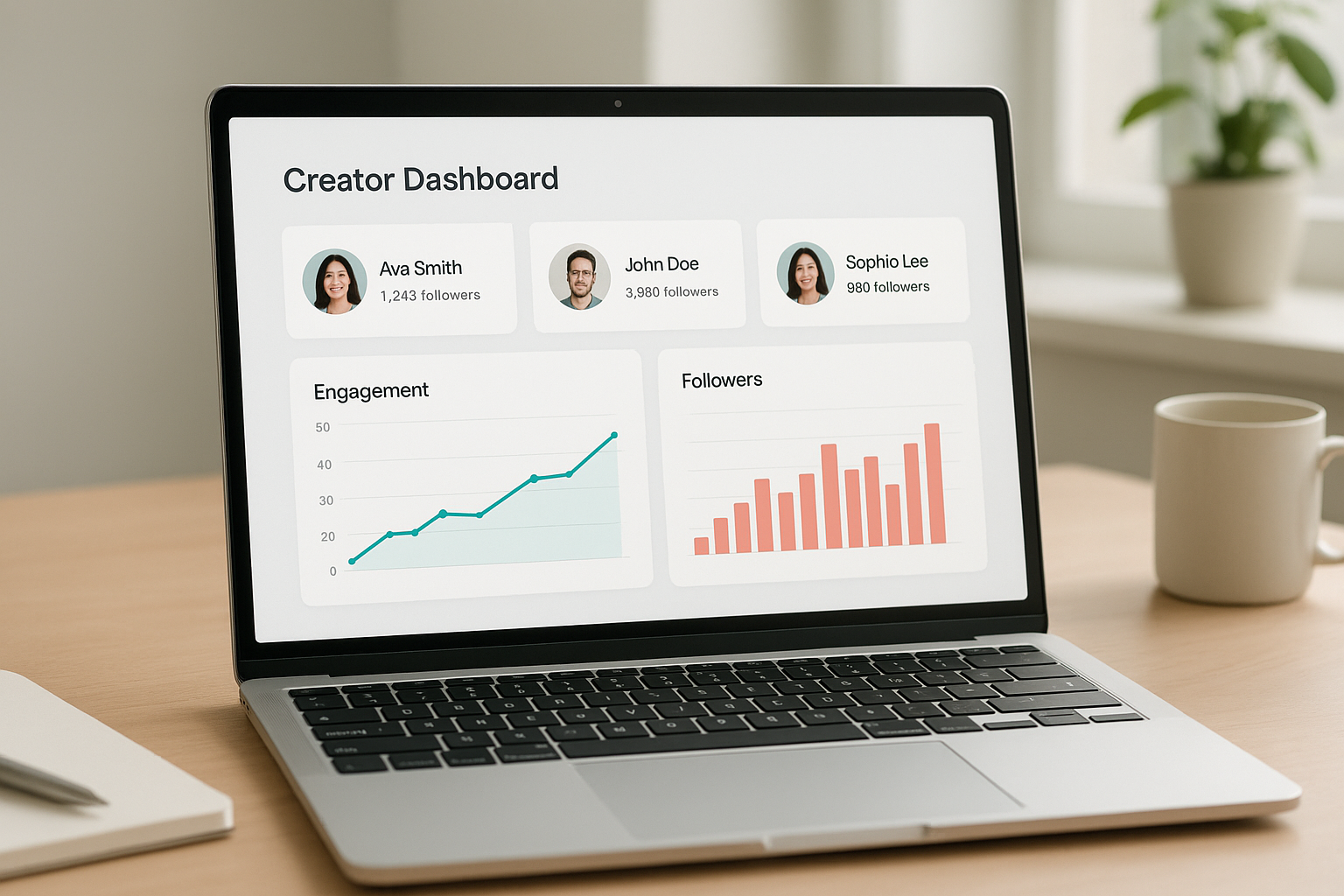
A creator marketing platform brings discovery, vetting, and analytics into one dashboard.
Why Influencer Marketing Software Matters Now
Influencer marketing has moved far beyond a handful of lifestyle bloggers posting product photos. Today, brands coordinate hundreds of creators across multiple platforms at once. Consequently, manual processes that worked for a five-creator campaign simply break down at scale. Industry researchers at Influencer Marketing Hub have tracked the overall influencer marketing economy growing year over year, and brands increasingly cite measurement and creator vetting as their biggest challenges.
In particular, fake followers and purchased engagement remain a persistent problem. The Federal Trade Commission's guidance on social media endorsements also makes clear that brands carry responsibility for how sponsored content is disclosed, which means vetting a creator's legitimacy protects both the budget and the brand's reputation. Therefore, software that checks audience quality before a contract is signed has become less of a nice-to-have and more of a baseline requirement.
Key Features of a Creator Marketing Platform
Not every tool labeled as influencer software covers the whole journey. Specifically, a strong creator marketing platform should include the following:
- A large, current creator database covering multiple platforms such as TikTok, Instagram, YouTube, and Twitch.
- Audience authenticity checks, including a fake follower checker and demographic breakdowns.
- Filters for niche, location, and engagement rate so searches return genuinely relevant creators.
- Bulk, personalized outreach with automated follow-up to improve reply rates without manual effort.
- Campaign and relationship management for contracts, shipping, content approvals, and payments.
- Sales attribution through coupon codes or affiliate links tied to ecommerce platforms like Shopify.
Above all, the platform should connect these pieces together. A tool that only offers search, for example, still leaves a brand to manage outreach and reporting manually elsewhere, which defeats much of the purpose.
How a Creator Marketing Platform Works, Step by Step
Running a campaign through a connected platform generally follows the same five steps, regardless of the tool a brand chooses:
- Define the goal and audience. Decide whether the campaign should drive awareness, sales, or content for paid ads, then describe the audience the creators need to reach.
- Search and shortlist creators. Apply filters for niche, location, follower range, and engagement to narrow 300 million profiles down to a focused, relevant list.
- Vet audience quality. Review authenticity scores, engagement patterns, and past brand partnerships before reaching out or shipping any product.
- Send outreach and automate follow-up. Message many creators at once with personalized notes, then let automated sequences chase non-responders.
- Manage content and track revenue. Approve posts, log payments, and monitor coupon codes or affiliate links to see which creators actually generated sales.
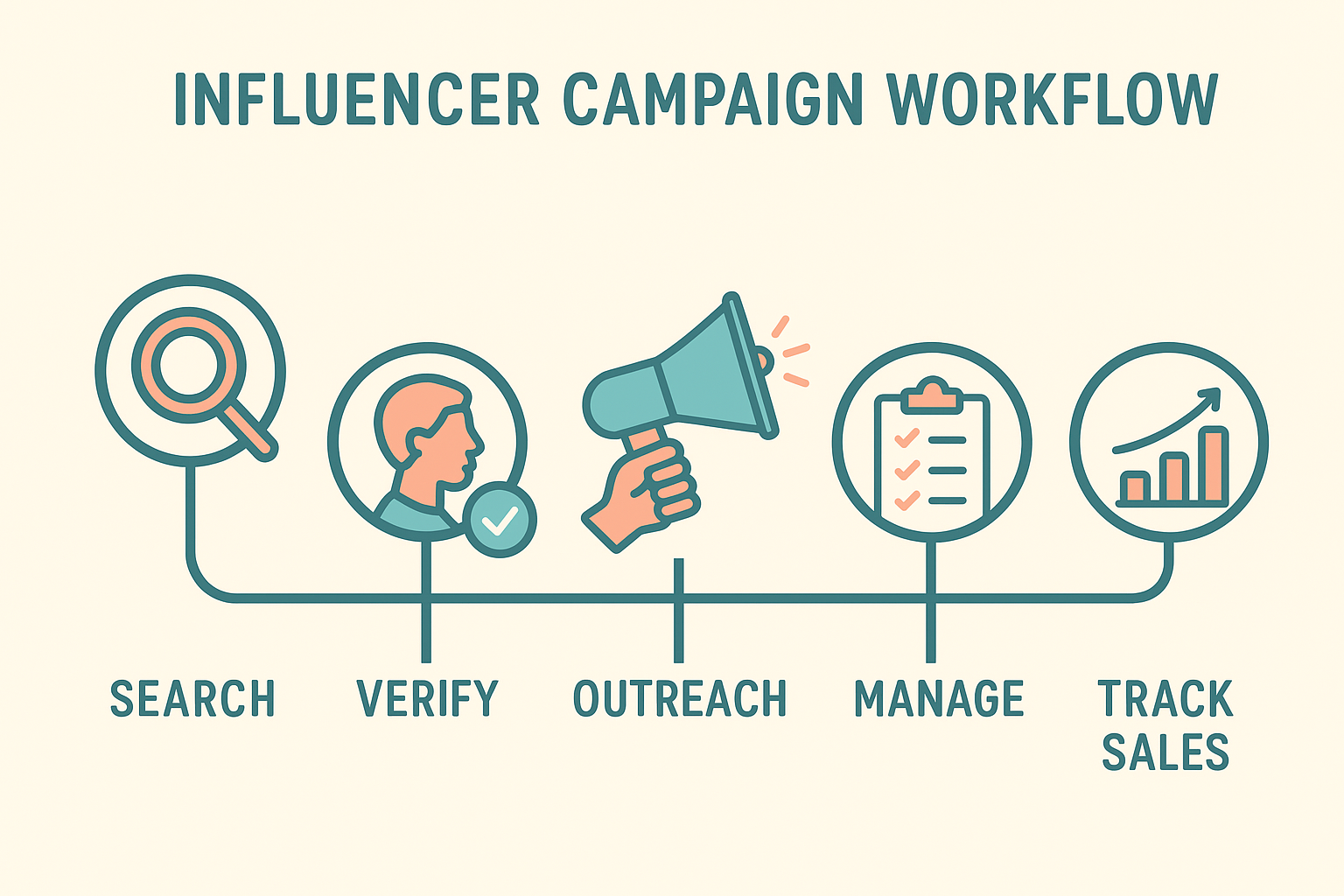
Each step builds toward one goal: tying creator activity to measurable revenue.
Common Mistakes Brands Make With Influencer Marketing Tools
Even with good software, brands can undermine results through avoidable habits. For example, many teams still choose creators by follower count alone, which tends to favor accounts with inflated or purchased audiences. Similarly, skipping engagement quality checks means a brand may pay for reach that never converts into real attention.
Another frequent error is treating outreach as a single email rather than a sequence. Response rates typically improve with a short series of follow-ups, yet many brands give up after one attempt. In addition, teams sometimes fail to connect coupon codes or affiliate links to each creator, which makes it nearly impossible to prove which partnerships paid off at budget review time.
How SocialBook Approaches Creator Marketing
SocialBook was built as a working operating system for this exact process rather than a static directory of names. Brands, ecommerce companies, and agencies search more than 300 million creator profiles across TikTok, Instagram, YouTube, and Twitch, then narrow results using over 20 filters for niche, location, follower range, and audience demographics. Because the database refreshes daily, teams avoid the stale spreadsheet problem that slows down so many campaigns.
Every profile report includes an audience authenticity score and a built-in fake follower checker, so spending decisions rest on real data instead of guesswork. From there, personalized bulk outreach runs through a brand's own connected Gmail or Outlook account, with automated follow-up sequences handling non-responders. Once a campaign launches, the influencer CRM keeps contracts, shipping, approvals, and payments organized in one place, and Shopify-synced coupon codes or affiliate links show exactly which creators drove sales. Readers comparing options more broadly may also find this roundup of influencer marketing software and this comparison of Collabstr alternatives useful for weighing different platforms side by side.
What Should You Look for Before Signing Up for a Platform?
Before committing budget, confirm the platform covers discovery, vetting, outreach, and reporting together, not just one piece of the puzzle. Specifically, ask whether the database updates regularly, whether it checks for fake followers, and whether it ties results back to actual sales rather than vanity metrics like likes. Testing a free tool first, such as a Chrome extension that pulls creator analytics while browsing, is a low-risk way to judge data quality before upgrading to a paid plan. For a broader sense of gifting-based collaborations that pair well with paid campaigns, this guide on successful influencer gifting strategies is a helpful next read.
It also helps to understand how a platform fits into the broader marketing mix. The Wikipedia entry on social media marketing frames influencer partnerships as one channel among several, which is a useful reminder that a creator marketing platform works best alongside, not instead of, a brand's wider strategy. Explore more on the AI growth platform page to see how discovery, outreach, and analytics connect into one workflow.

Automated follow-up sequences keep creator conversations moving without manual chasing.
Frequently Asked Questions
What is a creator marketing platform?
A creator marketing platform is a software tool that helps brands discover, vet, contact, and manage influencers from one dashboard instead of juggling spreadsheets and DMs. It typically combines a creator database, analytics, outreach tools, and performance tracking in a single system.
How does a creator marketing platform find influencers?
Most platforms search a large database of creator profiles using filters like niche, location, follower count, and engagement rate. SocialBook, for example, searches more than 300 million profiles across TikTok, Instagram, YouTube, and Twitch.
Why do brands need a creator marketing platform instead of searching manually?
Manual searching is slow, relies on guesswork, and cannot verify whether a creator's audience is real. A platform speeds up discovery, flags fake followers, and keeps campaign data organized in one place.
How much does a creator marketing platform typically cost?
Pricing varies widely, from free limited tools to monthly subscriptions for agencies managing dozens of campaigns. Most platforms offer tiered plans based on the number of creator searches, outreach contacts, or managed campaigns included.
How long does it take to launch a campaign using a creator marketing platform?
With a dedicated platform, brands can often go from creator search to sent outreach messages within a single day. Without one, the same process can take weeks of manual research and back-and-forth emails.
What is the difference between a creator marketing platform and an influencer marketplace?
A marketplace mainly lists creators who apply to open campaigns, while a full creator marketing platform also includes discovery, vetting, outreach, CRM, and analytics. Many modern tools, including SocialBook, combine both approaches in one product.
How do creator marketing platforms verify fake followers?
They analyze engagement patterns, follower growth history, and audience demographics to spot signs of bought followers or bot activity. A built-in fake follower checker then scores audience authenticity so brands can compare creators objectively.
What features should I look for in the best creator marketing platform?
Look for a large, regularly updated creator database, audience authenticity checks, bulk outreach with follow-up automation, campaign management tools, and sales tracking tied to real revenue. The best creator marketing platform should cover the full journey from search to ROI.
Can a creator marketing platform track sales from influencer posts?
Yes, many platforms connect to ecommerce tools like Shopify and generate unique coupon codes or affiliate links for each creator. This makes it possible to see exactly which posts generated clicks, orders, and revenue.
What common mistakes should brands avoid when using a creator marketing platform?
Common mistakes include choosing creators on follower count alone, skipping audience authenticity checks, and failing to track sales back to specific creators. Brands should also avoid treating outreach as a one-time email rather than a sequence with follow-ups.
Is SocialBook a good creator marketing platform for small businesses?
SocialBook supports brands of varying sizes, from small ecommerce shops to large agencies, with filters and tools that scale to the budget and goals of the campaign. Its free Chrome extension also lets smaller teams check creator stats before committing to a paid plan.
How do creator marketing platforms handle outreach to influencers?
They let brands send personalized messages to many creators at once, often through a connected email account, and then automatically follow up with non-responders. This keeps reply rates higher than one-off manual emails while saving significant time.
Final Thoughts
In the end, choosing a creator marketing platform comes down to one question: does it turn creator partnerships into a measurable, repeatable channel, or does it just hand over a longer list of names? A strong platform combines verified creator data, scalable outreach, organized campaign management, and clear sales attribution, so brands stop guessing and start proving results. As influencer budgets continue to grow, that kind of visibility is what separates campaigns that get renewed from campaigns that quietly disappear from next year's plan. Whether a team is just starting to evaluate options or already running multiple campaigns, visiting SocialBook is a reasonable next step for seeing how a connected creator marketing platform works in practice.