So, you're looking into Influencer Marketing and wondering about those self-serve platforms? It's a big topic, and honestly, figuring out the right tools can feel like a maze. We've all seen those fancy enterprise software options, but what if you're just starting out or on a tighter budget? This article breaks down what a self-serve Influencer Marketing platform actually is, why you might want one, and importantly, some ways to do Influencer Marketing without breaking the bank. Let's get into it.
Key Takeaways
- A self-serve Influencer Marketing platform lets you find, manage, and pay influencers yourself, without needing a dedicated agency or a huge team.
- These platforms are different from enterprise software; they're usually simpler and more affordable, designed for brands that want more control.
- Using a self-serve platform can save you time, help you find the right creators, and make your campaigns run smoother.
- There are low-cost options available, including free tools, that can get you started in Influencer Marketing without a big financial commitment.
- When choosing a platform, think about what you need most: is it finding influencers, tracking results, or managing payments? Pick the tool that fits your goals and budget.
What Exactly Is a Self-Serve Influencer Marketing Platform?
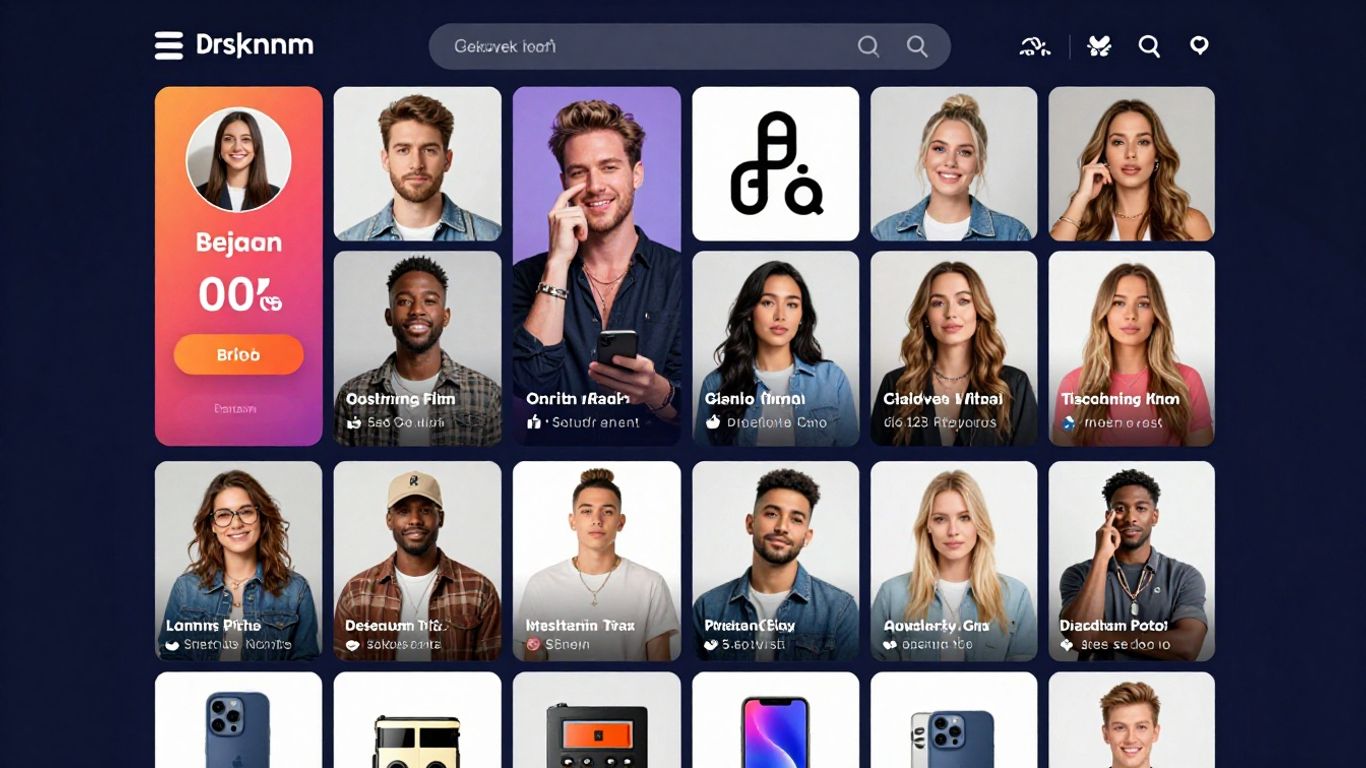
So, you're looking into influencer marketing, huh? It's a pretty big deal these days, with a lot of people trusting what influencers say online. Basically, a self-serve Influencer Marketing Platform is a tool that lets brands find and work with influencers all by themselves, without needing a middleman agency for every single step. Think of it like a digital marketplace, but instead of groceries, you're browsing creators.
These platforms are designed to make the whole process smoother. You can usually search through a bunch of influencers, see their stats, check out who they've worked with before, and get a feel for their content. It’s all about helping you find the right person to promote your stuff. The goal is to cut down on the hassle and make it easier for brands to connect directly with creators.
Here’s a quick rundown of what you typically get:
- Influencer Discovery: Tools to search and filter influencers based on things like follower count, niche, audience demographics, and engagement rates.
- Campaign Management: Features to create campaign briefs, send them out, manage communication, and track progress.
- Performance Tracking: Ways to see how your campaigns are doing, like engagement numbers, reach, and sometimes even sales if you set up tracking.
- Communication Hub: A central place to chat with influencers, share files, and keep everything organized.
These platforms aim to put the power back into the hands of the marketer, giving them direct access and control over their influencer collaborations. It's about efficiency and making data-driven decisions easier.
It’s a way to manage your influencer partnerships more directly, from finding the talent to seeing the results, all within one system.
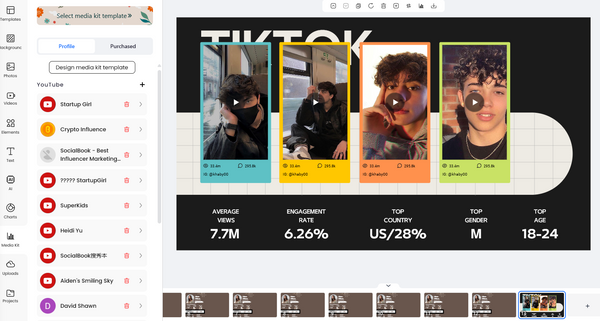
Simply post your campaign with detailed criteria for the influencer you want, and they will find you. Say goodbye to endless searching and uncertainty. SocialBook Product Launcher helps you prioritize quality over quantity, guaranteeing that the creators you engage with are ideal for your launch. The platform features an intuitive design, enabling you to filter influencers by category, interaction rates, geographical area, and other factors, simplifying the process of identifying suitable collaborators for your initiative.
Enterprise Software Compared to Self-Serve Influencer Marketplaces
When you're looking to work with influencers, you'll run into two main types of software: big enterprise solutions and simpler, self-serve Influencer Marketplaces. Think of it like choosing between a custom-built mansion and a nice, ready-to-move-in condo. Both get you a place to live, but they're built for different needs and budgets.
Enterprise software is usually for larger companies. It's packed with features, integrations with other business tools like CRMs (Salesforce, HubSpot), and advanced analytics. These platforms often cost a lot, sometimes starting at $800 a month or more, and they might require a dedicated team to manage them. They're great if you're running huge campaigns, need super detailed reporting, or have strict compliance rules to follow. They often have things like white-labeling so agencies can use them for their clients with their own branding.
On the other hand, self-serve marketplaces are more straightforward. They're designed for smaller businesses, startups, or even individuals who want to dip their toes into influencer marketing without a huge commitment. You can usually find creators, manage campaigns, and track results all in one place. Many offer free or low-cost plans, sometimes starting at just $15 a month, making them really accessible. They might not have all the bells and whistles of enterprise software, but they get the job done for most common influencer marketing tasks.
Here’s a quick look at what sets them apart:
- Features: Enterprise tools have deep integrations and complex workflows. Marketplaces focus on core functions like discovery and campaign management.
- Cost: Enterprise solutions are a significant investment. Marketplaces are budget-friendly, often with free tiers.
- Complexity: Enterprise software can have a steep learning curve. Marketplaces are generally user-friendly and quick to pick up.
- Target User: Large corporations and agencies typically use enterprise software. Startups and small to medium-sized businesses often prefer marketplaces.
Choosing the right type of platform really depends on where your business is right now. If you're just starting out or have a limited budget, a self-serve marketplace is probably the way to go. If you're a big company with complex needs and a bigger budget, then an enterprise solution might be a better fit.
5 Advantages of a Self-Serve Influencer Marketing Platform
Using a self-serve influencer marketing platform can really change how you approach campaigns. It's not just about finding people to post; it's about making the whole process smoother and more effective.
First off, you get a lot more control. Instead of waiting for an agency or a platform manager to get back to you, you can log in anytime and manage everything yourself. This means you can react faster when opportunities pop up or when you need to adjust a campaign. You're in the driver's seat, making decisions on the fly.
Then there's the discovery aspect. These platforms usually have huge databases of influencers. You can filter them by niche, audience demographics, engagement rates, and even look for signs of fake followers. This helps you find the perfect fit for your brand, not just someone with a lot of followers. It’s about quality over quantity, really.
Here are some other big pluses:
- Cost-Effectiveness: While some enterprise solutions can be pricey, many self-serve platforms offer tiered pricing or even free options. This makes influencer marketing accessible even for smaller businesses or those just starting out. You pay for what you use, which is way better than paying for services you don't need.
- Streamlined Workflow: From finding influencers to negotiating contracts, managing payments, and tracking results, these platforms often bundle all the necessary tools. This cuts down on the time you spend juggling different spreadsheets and email threads. It’s all in one place.
- Data and Analytics: Good platforms provide detailed reports on campaign performance. You can see which influencers are driving the most engagement, traffic, or sales. This data is super helpful for understanding your ROI and planning future campaigns more smartly. You can even connect these tools to your existing marketing stack for a fuller picture.
It's easy to get lost in the details of influencer marketing, but a self-serve platform helps keep things focused. You can spend less time on administrative tasks and more time building genuine relationships with creators who truly align with your brand's message. This direct connection can lead to more authentic content and better results for your business.
Finally, these platforms often handle the nitty-gritty details like contract templates and payment processing. This reduces the risk of misunderstandings or legal issues down the line. It’s about making the entire collaboration process more professional and less of a headache. You can find platforms that help with campaign management and much more.
Ways to Do Influencer Marketing on a Budget
So, you're looking to dip your toes into influencer marketing without breaking the bank? Totally understandable. The good news is, you don't need a massive budget to get started. There are plenty of ways to work with creators that won't drain your finances.
One of the smartest moves is to focus on nano and micro-influencers. These folks might not have millions of followers, but their audiences are often super engaged and really trust their recommendations. Think of it like talking to a friend who knows a lot about a specific topic – you're more likely to listen. They usually charge way less than the big names, and honestly, for niche products or services, their impact can be way bigger.
Here’s a quick look at how different influencer sizes stack up:
Influencer Tier | Follower Count | Typical Cost Per Post | Engagement Rate | Best For |
|---|---|---|---|---|
Nano | 1,000 - 10,000 | $50 - $250 | 5-8% | Hyper-niche products, local businesses |
Micro | 10,000 - 100,000 | $200 - $1,000 | 3-5% | Most small to medium businesses, specific communities |
Mid-Tier | 100,000 - 500,000 | $1,000 - $5,000 | 1-3% | Broader reach, brand awareness campaigns |
Macro | 500,000 - 1M+ | $5,000 - $50,000+ | 0.5-1% | Mass market campaigns, celebrity endorsements |
Don't forget about platforms that offer free or very affordable starting points. Some let you search their influencer database without charge, and you only pay when you actually run a campaign. Others have free tools for managing your contacts and tracking basic results. It’s all about finding what fits your current needs and budget.
When you're starting out, it's easy to get caught up in the idea of working with huge influencers. But often, those massive followings don't translate directly into sales or meaningful engagement for your specific brand. It's better to find creators whose audience genuinely aligns with your product or service, even if that audience is smaller. Think quality over quantity.
Another strategy? Try building longer relationships. Instead of just paying for a single post, see if you can work out a deal for a few months of content. Creators are often willing to offer a discount for that kind of commitment, and you get more consistent promotion for your brand. Plus, the audience starts to see you as a regular part of that influencer's content, which builds more trust.
Influencer Marketplace - SocialBook Product Launcher
When you're trying to get a new product off the ground, finding the right people to talk about it can feel like a huge task. That's where something like the SocialBook Product Launcher comes in. It's basically a tool designed to help you find influencers who can actually help you sell your stuff, not just get a lot of likes.
This platform aims to simplify the process of connecting brands with creators. Instead of spending ages scrolling through social media or guessing who might be a good fit, you can use their system to find people whose followers match your target audience. It's all about making sure your message reaches the right eyes and ears.
Here’s a quick look at what makes it useful:
- Discovery: It helps you find influencers based on your product type and target market.
- Vetting: You can check out their stats to see if they have real engagement and aren't just buying followers.
- Campaign Management: It offers tools to help you manage your collaborations, from initial outreach to tracking results.
It's pretty neat because it cuts down on a lot of the guesswork involved in influencer marketing. You're not just throwing money at random people; you're trying to build actual partnerships that can drive sales. For anyone launching a new product, especially if you're a smaller business or startup, this kind of focused approach can make a big difference. It helps you discover and vet influencers more efficiently.
The goal is to make influencer marketing feel less like a shot in the dark and more like a strategic move. It’s about finding creators who genuinely align with your brand and can authentically promote your product to their community.
Wrapping It Up
So, finding the right self-serve influencer marketing platform really comes down to what works for you. There isn't a single 'best' one out there for everyone. Think about your budget, how big your business is, and what you absolutely need the platform to do. Don't be afraid to start with free options like InfluenceFlow; they can get you going and show you what's possible without costing a thing. As you grow, you can always look at paid tools, but make sure they actually help you track real results, not just likes. Keeping an eye out for fake followers is a big one too – you don't want to waste money there. Ultimately, the goal is to find a tool that helps you connect with the right people and see a real return on your investment.
Frequently Asked Questions
What exactly is a self-serve influencer marketing platform?
Think of it as a digital toolbox that lets you find, connect with, and manage influencers all by yourself. Instead of needing a big company to do it for you, these platforms give you the tools to handle your own influencer campaigns, from start to finish.
How is a self-serve platform different from a big company's software?
Big company software, often called enterprise software, usually comes with a lot of features and a high price tag, needing a whole team to manage it. Self-serve platforms are simpler, more affordable, and designed for you to use directly without needing expert help.
What are the main advantages of using a self-serve platform?
You get more control over your campaigns, can usually save money because you're not paying for extra services, and you can often find and work with influencers much faster. Plus, many offer great tools to track how well your campaigns are doing.
How can I tell if an influencer's followers are real and not fake?
Good platforms check for fake followers by looking at things like how often people interact with posts, if comments seem real, and if follower numbers grow naturally. They should be open about how they check for fakes. Watch out for sudden follower jumps or comments that don't make sense.
What's the typical cost for these kinds of platforms?
Prices can vary a lot. Some offer free basic tools, while others might charge anywhere from $50 to $500 a month for more features. The most expensive ones are for very large companies and can cost much more, but many brands find affordable options that work well.
Do I really need to pay for a platform, or can I get by with free options?
You can definitely start with free platforms, especially if you're just beginning or have a small budget. They often provide enough tools to manage basic campaigns. As your needs grow or you want more advanced features like detailed analytics, you might consider a paid option.