You know, sometimes the most unexpected products can make a huge splash. We're talking about a beehive, of all things. It sounds pretty niche, right? But this specific beehive managed to pull in over $12 million, and it really shows how important influencer marketing has become. It’s not just a nice-to-have anymore; it’s pretty much a must-have for brands looking to grow. This influencer marketing case study is a great example of how it’s done.
Key Takeaways
- A product that naturally fits social sharing can get people talking easily.
- Working with smaller, focused creators often works better than going for the biggest names.
- Making content that teaches people something can build trust and lead to sales over time.
- Treating your influencers like a real community can make them more loyal and helpful.
- Building a strong brand, not just selling a product, is what makes people willing to pay more.
A Mundane Industry + A Frustrating Challenge
Let's be honest, the world of beekeeping supplies isn't exactly the most exciting place. For years, it was dominated by a few old-school companies. They sold functional, but frankly, uninspired products. Think drab colors, clunky designs, and marketing that felt like it was stuck in the 1980s. The problem was, the people buying these things – beekeepers, both hobbyists and professionals – were often frustrated. They needed better tools, easier ways to manage their hives, and frankly, products that didn't look like they belonged in a museum.
Imagine spending hours tending to your bees, only to wrestle with equipment that's difficult to use or breaks easily. That was the reality for many. The existing market offered little in the way of innovation or user-friendly design. It was a classic case of a stagnant industry failing to keep up with the needs and desires of its customers. This lack of modern, well-designed products created a huge gap. People were looking for solutions, but they weren't finding them in the usual places. They wanted gear that was not only effective but also a pleasure to use, something that reflected the growing passion for sustainable living and natural products.
Here's a snapshot of the old guard:
- Product Range: Basic, functional, with little variety.
- Design: Utilitarian, often outdated.
- Marketing: Minimal, traditional, and unengaging.
- Customer Experience: Functional, but rarely delightful.
This situation set the stage for something completely different to come along and shake things up. The market was ripe for disruption, waiting for a brand that actually listened to its customers and offered something genuinely better.
The Product That Changed Everything
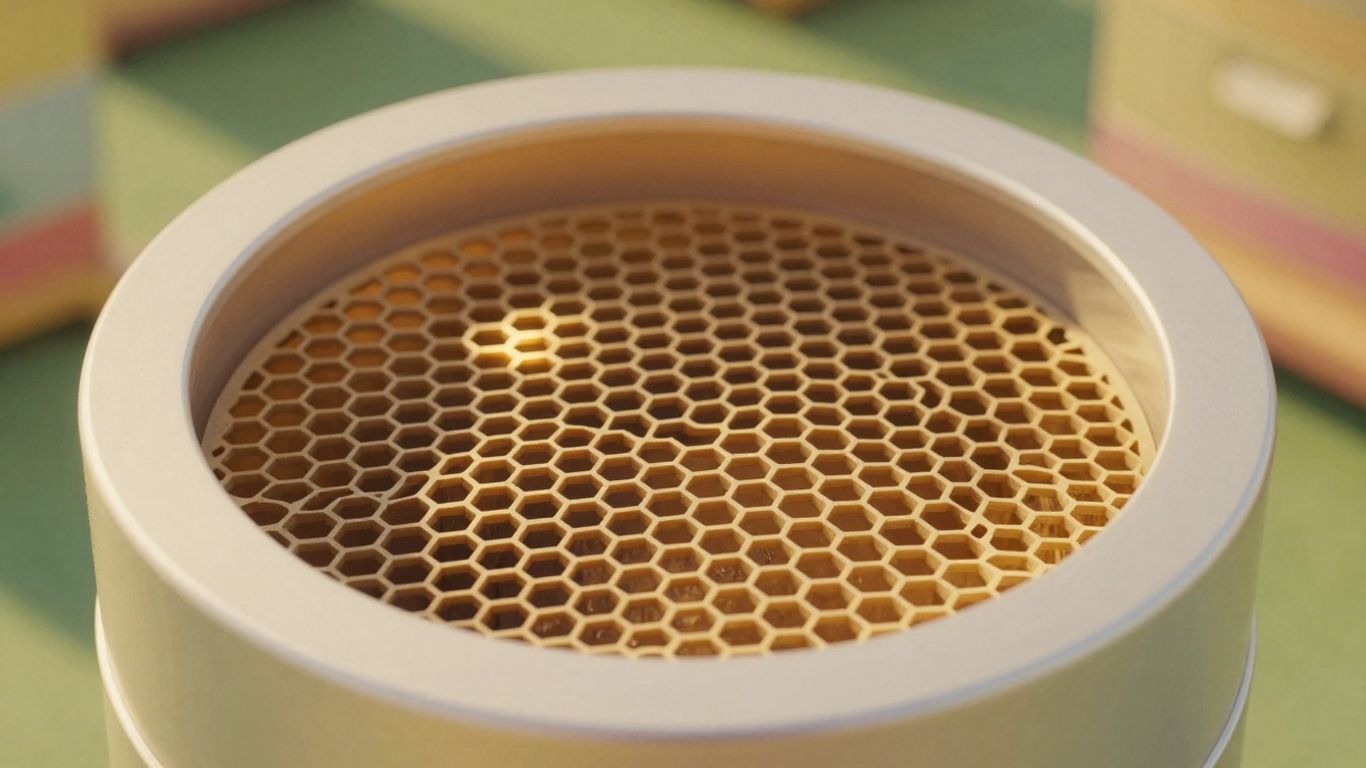
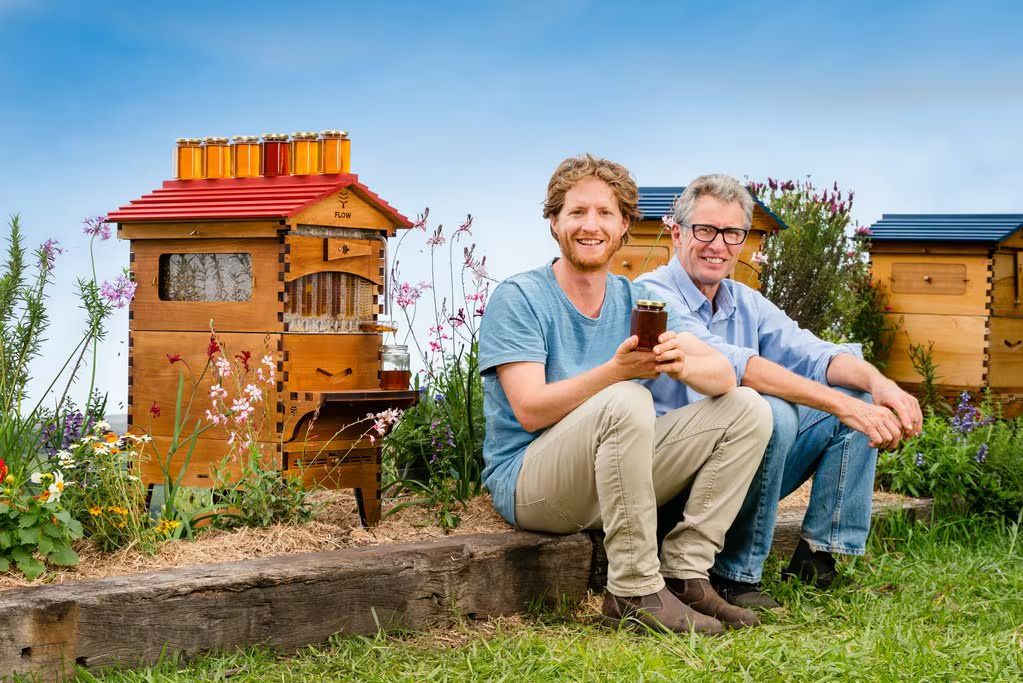
So, what was this game-changing product? It wasn't some flashy gadget or a revolutionary tech piece. It was a beehive. Yes, a beehive. But not just any beehive. This was the 'Flow Hive,' and it was designed with a simple, brilliant idea: make beekeeping accessible and less messy for everyone.
Before the Flow Hive, getting honey involved a lot of smoke, sticky frames, and often, a swarm of angry bees. It was a process that kept most people away. The Flow Hive, however, changed all that. It introduced a system where you could literally turn a tap, and honey would flow out, clean and ready, without disturbing the bees much at all. This innovation was a masterclass in viral product marketing because it solved a real, tangible problem in a completely novel way.
Think about it:
- Problem: Traditional beekeeping is messy and intimidating.
- Solution: A clean, easy-to-use hive.
- Result: More people could become beekeepers and enjoy honey.
This wasn't just about selling a product; it was about selling an experience and a connection to nature. The design itself was almost perfect for social media sharing. People could easily show off their clean honey harvests, and the novelty factor was huge. It tapped into a desire for natural living and DIY projects that was already bubbling up online. The company behind it understood this, and their approach to getting the word out was unlike anything seen before in this niche industry. They focused on showing, not just telling, how easy and rewarding beekeeping could be with their invention. This focus on a clear, demonstrable benefit made it incredibly shareable, setting the stage for a crowdfunding explosion and proving the power of innovative product design.
The Crowdfunding Explosion (No Traditional Ads)

Forget the usual ad spend. This company went a different route, focusing on a crowdfunding marketing strategy that bypassed typical advertising channels. They didn't just ask for money; they built a movement. It was all about getting people excited before the product even hit the shelves.
Instead of pouring cash into Facebook ads or TV spots, they tapped into the power of their audience. This approach is a hallmark of many Indiegogo successful campaigns, where the backers themselves become the first wave of marketers. The result was a massive surge in interest, all fueled by word-of-mouth and shared enthusiasm.
Here’s how they made it work:
- Pre-launch Buzz: They spent months building anticipation, sharing behind-the-scenes content and engaging with potential backers.
- Early Bird Incentives: Offering special deals for the first wave of supporters created urgency and rewarded early adopters.
- Clear Value Proposition: They clearly explained the problem their product solved and why it was a game-changer.
This wasn't just about selling a product; it was about creating a shared experience. It’s a prime example of community-driven marketing in action, showing that a dedicated group can achieve incredible things. They managed to get people to pay premium prices, which is pretty wild when you think about it. This method proved that you don't always need a huge ad budget to make a splash; sometimes, a well-connected community is far more potent. It’s a lesson many brands could learn from, especially those looking to build genuine connections with their customers, like Uusi Juttu did.
The focus shifted from broadcasting a message to cultivating a conversation. People felt like they were part of something bigger, not just consumers being sold to.
Influencer Marketing Drove Growth
So, how did this whole Flow Hive success story really take off without a massive ad budget? It wasn't just luck. The team behind Flow Hive figured out something pretty smart about how people buy things these days, especially when it comes to new or niche products. They leaned hard into what we now call creator-led marketing, and it worked wonders.
1. A Product Made for Social Media
Let's be honest, a beehive isn't exactly the most visually exciting thing at first glance. But the Flow Hive? It had this wow factor. The idea of harvesting honey with a simple tap, seeing it flow out like a drink – that’s pure gold for video. It was practically designed to be shared on social media. People could see it in action, understand the benefit instantly, and think, 'Hey, I could do that!' This made it super easy for creators to show off the product in a way that was engaging and easy to grasp.
2. They Picked Creators Who Were a Good Fit (Not Necessarily the Most Famous)
Instead of just going for the biggest names, Flow Hive focused on people who genuinely loved beekeeping or were interested in sustainable living. Think beekeepers with smaller, dedicated followings, or homesteaders sharing their journey. This influencer seeding strategy meant the recommendations felt more real. When a creator with a few thousand followers who actually kept bees talked about Flow Hive, it carried more weight than a celebrity endorsement. It was about finding people whose audience trusted their opinions on this specific topic. This approach is a key part of a good social media influencer strategy.
3. Educational Content That Generates Leads Over Time
This wasn't just about unboxing videos. The YouTube content marketing strategy involved creators showing the entire process: setting up the hive, checking on the bees, and, of course, the honey harvest. They explained the science, the benefits, and how it all worked. This kind of educational content built trust and showed potential customers that Flow Hive was a legitimate, easy-to-use product. It wasn't just a quick sale; it was about building understanding and desire over time. People watched, learned, and then felt confident enough to buy.
4. Cultivating a Community from Influencers
What really set Flow Hive apart was how they treated their creators. They didn't just send out free products and hope for the best. They built relationships. Many of these creators became advocates, sharing their ongoing experiences and even helping answer questions from potential buyers in the comments sections of their videos. This created a sense of community around the product. People saw others successfully using it, got their questions answered by real users (and creators), and felt more comfortable taking the plunge. It was less about a one-off promotion and more about building a movement. This is a great example of how to approach creator-led marketing effectively.
The focus wasn't on flashy ads, but on authentic demonstrations and genuine enthusiasm from people who cared about the product. This built trust and made the high price point seem reasonable to a lot of people.
Why People Paid $669–$1,000 (Happily)
Okay, so a beehive for a grand? That sounds wild, right? But here's the thing: people weren't just buying a box for bees. They were buying into a whole system, a solution to a real problem they had. Think about it – beekeeping can be complicated. There's a lot to learn, and messing up means losing your bees, which is a bummer and a waste of money. This wasn't just about getting bees; it was about getting successful bees.
The price point reflected the complete package and the peace of mind it offered.
What did that price actually get you?
- The Smart Hive: This wasn't your grandpa's beehive. It had sensors that tracked temperature, humidity, and even the weight of the honey. All this data was sent straight to an app.
- The App: This was the real magic. It translated all that sensor data into simple, actionable advice. No more guessing if your bees were too hot or needed more food. The app told you.
- Ongoing Support: They didn't just sell you the hive and disappear. There were community forums, webinars, and direct access to beekeeping experts. It felt like you had a whole team backing you up.
It’s kind of like buying a high-end espresso machine. You could get a cheap one, but you'd spend ages figuring out the perfect grind, tamping pressure, and milk steaming. Or, you could pay more for one that guides you, has presets, and makes consistently great coffee with less fuss. People paid for the convenience and the guaranteed better outcome.
The cost wasn't just for the physical product; it was for the elimination of risk and the acceleration of success in a hobby that can be notoriously unforgiving for beginners.
The Outcome: A Brand, Not Merely a Product
It’s easy to get caught up in the numbers – the $12.2 million raised, the thousands of backers. But what Beehive really built wasn't just a successful crowdfunding campaign; it was a brand. They didn't just sell a product; they sold a story, a lifestyle, and a set of values. This is where their product storytelling marketing really shone.
Think about it. People weren't just buying a fancy beehive. They were buying into the idea of supporting pollinators, of having a beautiful, functional piece in their backyard, and of being part of something bigger. This focus on experience-driven products is what made the difference.
Here’s how they shifted from just a product to a full-blown brand:
- Community Building: They turned their backers into a loyal community. Early supporters felt like they were part of the journey, not just customers.
- Consistent Messaging: Every piece of content, from influencer posts to their own updates, reinforced the core message of sustainability and innovation.
- Visual Identity: The product itself, and all associated marketing, had a clean, modern aesthetic that appealed to their target audience.
This approach is key for niche market branding. You can’t just show up with a good product; you need to build a world around it. Their commitment to being an eco-friendly product branding example also played a huge role. People want to support companies that align with their own values, and Beehive nailed that.
The real magic happened when people stopped seeing the beehive as just an object and started seeing it as a symbol of their own commitment to nature and smart design. That’s brand building in its purest form.
Ultimately, Beehive proved that a strong brand narrative, amplified by the right voices, can create demand that traditional advertising struggles to match.
The Big Takeaway for Brands
So, what's the main lesson here for anyone trying to build a brand today?
It’s that traditional advertising alone isn’t enough anymore — and in many cases, it’s not even the most effective option. The $12.2 million beehive story shows how a creator-led, trust-first approach can outperform massive ad budgets, even in the most unexpected industries.
This isn’t just about chasing quick sales. It’s about building real connections with people.
Flow Hive didn’t win because they shouted the loudest.
They won because they let the right people tell their story.
This is exactly why influencer marketing has shifted from a “nice-to-have” to a core growth strategy for modern brands.
But here’s the hard part:
Finding the right creators, managing campaigns, and turning content into measurable results isn’t easy — especially when you’re entering new markets or scaling globally.
That’s where platforms like SocialBook come in.
Platforms like SocialBook support this shift by helping brands:
Identify influencers who actually align with their niche and values
Streamline influencer outreach and campaign execution
Track performance beyond vanity metrics and drive real business results
Instead of guessing which creators might work, brands can make data-informed decisions — the same kind of strategic thinking that allowed Flow Hive to partner with creators who genuinely cared about beekeeping, sustainability, and education.
As new categories emerge — from eco-friendly products to AI wearables — the brands that win won’t be the ones with the biggest ad spend.
They’ll be the ones that build trust first, through people, not just products.
Conclusion
That whole $12.2 million beehive story proves something important.
Even the most niche, “boring-sounding” products can go viral and build global demand — if they’re paired with the right creators, the right story, and the right distribution strategy.
Influencer marketing isn’t just for beauty brands or fashion labels anymore.
Whether you’re selling beehives, smart devices, or something the market hasn’t even named yet, people trust people more than ads.
Flow Hive understood that early.
They built a community, educated their audience, and let creators lead the conversation.
And in today’s market, that’s no longer optional — it’s how brands grow.
Frequently Asked Questions
What exactly is influencer marketing?
Think of it like this: instead of a company directly telling you to buy something, they ask someone you already like and trust – like a YouTuber or a popular person on Instagram – to talk about their product. This person, the 'influencer,' shares their honest thoughts, and their followers often listen because they feel a connection.
Why was the beehive so expensive?
The beehive wasn't just any old box for bees. It was a super smart, high-tech device. It had sensors that could tell you exactly how the bees were doing, if they were healthy, and how much honey they were making. It was like a personal assistant for beekeepers, making a tricky job much easier and more successful.
How did they get people to pay so much for a beehive?
People were willing to pay a lot because the beehive solved a real problem for them. Many people wanted to be beekeepers or get more honey, but it was hard and confusing. This smart beehive made it simple and almost guaranteed success. Plus, the influencers showed how amazing it was, making people feel confident they were making a good investment.
What's the difference between a big influencer and the 'right' influencer?
A big influencer might have millions of followers, but they might not be interested in beehives. The 'right' influencer is someone who genuinely loves beekeeping or nature, and their followers are also interested in those topics. It’s about connecting with people who actually care about the product, not just reaching the most people possible.
How can a product be 'made for social media'?
It means the product is visually interesting or solves a problem in a way that's easy to show and explain online. For the beehive, people could easily share videos of it working, show off their honey, or talk about how much easier beekeeping became. It naturally created buzz and shareable moments.
What's the main lesson for other companies?
The biggest takeaway is that you can't ignore influencer marketing anymore, especially if you have a unique product. Finding the right people to talk about your product, and creating content that truly helps and educates people, can be way more powerful than traditional ads. It's about building trust and community around what you offer.