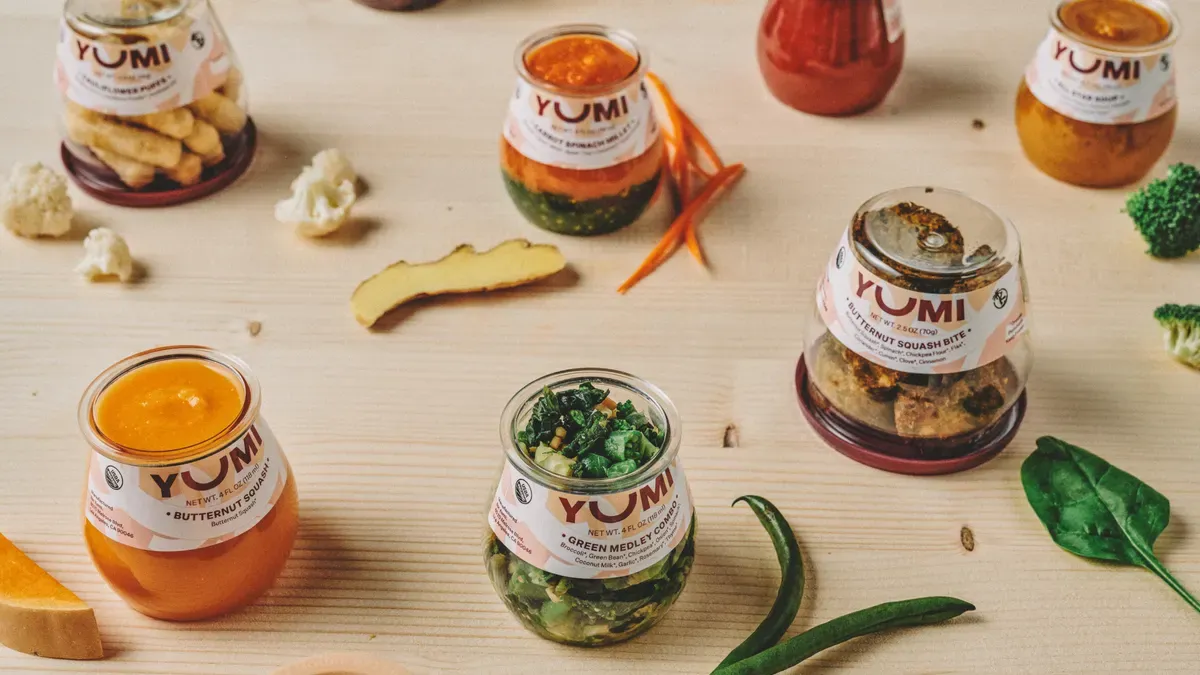
How Yumi Turned Modern Parenting Anxiety Into a $200 Million Baby Food Brand
For many Chinese parents, homemade baby food is still considered the gold standard. Fresh ingredients, carefully prepared meals, and family recipes remain an important part of raising a child.
In the United States, however, the reality looks very different.
Busy work schedules and dual-income households have made prepared baby food an everyday necessity rather than a convenience. Today, more than 60% of American families rely on two working parents, leaving little time to cook every meal from scratch. At the same time, consumers place strong trust in scientifically formulated nutrition, especially when products are backed by medical research and third-party certifications.
Yet convenience alone isn't enough.
A 2024 report from The George Institute for Global Health found that nearly two-thirds of packaged baby foods sold in U.S. supermarkets fail to meet the World Health Organization's nutritional standards. Parents are caught between two difficult choices: they don't have time to prepare every meal themselves, but they don't fully trust what's available on store shelves.
This growing gap created the perfect opportunity for Yumi.
By combining fresh organic ingredients, personalized nutrition plans, and a direct-to-consumer subscription model, Yumi has become one of the fastest-growing premium baby food brands in America.
Since launching in 2017, the company has reportedly achieved annual growth exceeding 150%, served more than 500,000 families, and maintained an industry-leading customer repurchase rate. Between 2021 and 2023, despite economic uncertainty, Yumi raised over $30 million in funding, with its valuation approaching $200 million.
Its success isn't simply about selling healthier baby food. It's about redefining how parents make one of the most emotionally important purchasing decisions of their lives.
Yumi Doesn't Sell Baby Food—It Sells Confidence
Unlike most food startups, Yumi wasn't founded because its creators wanted to build another organic food company.
Founder Angela Sutherland encountered a much simpler problem during her own pregnancy: she couldn't find clear guidance on what nutrients babies actually need at each stage of development.
Most brands grouped products under broad labels like "6 months and up," while offering little explanation about nutritional priorities.
Instead of building "better baby food," Yumi built a nutrition system centered around the first 1,000 days of life—a period widely recognized by pediatric experts as critical for brain and physical development.
The customer journey reflects that philosophy.
Rather than asking parents to browse flavors first, Yumi asks for the baby's birth date. From there, its system recommends meals based on developmental milestones, emphasizing nutrients such as iron, DHA, and choline while avoiding ingredients more likely to contain heavy metals.
For most parents, this isn't simply personalization.
It's outsourced decision-making.
Instead of constantly wondering whether they're making the right nutritional choices, parents can trust a professionally designed system. That confidence becomes part of the product itself.
This also explains why Yumi commands premium pricing—often several times more expensive than conventional baby food brands.
Customers aren't only paying for organic ingredients or fresh preparation.
They're paying for certainty.
Building Trust Through Transparency Instead of Fear
Many brands in the health and wellness industry rely on fear-based marketing.
Yumi takes a different approach.
Rather than exaggerating risks or creating unnecessary anxiety, the company consistently educates parents about nutrition through evidence-based content.
One example is its approach to heavy metals.
Heavy metal contamination has become one of the biggest concerns among American parents purchasing baby food. Instead of simply claiming its products are safer, Yumi emphasizes third-party testing and transparency throughout its supply chain.
Its products meet the rigorous standards of the Clean Label Project, and even its popular puff snacks replace rice—an ingredient known to accumulate higher levels of certain heavy metals—with sorghum.
The message isn't "other brands are dangerous."
It's "here's exactly why we made different choices."
That subtle difference helps build credibility among health-conscious consumers who value information over marketing slogans.
Social Media That Educates Instead of Selling
Yumi's branding strategy extends far beyond its products.
On Instagram, the company avoids the overly playful, cartoon-style aesthetic common in many baby brands. Instead, its visual identity resembles a modern lifestyle publication, featuring clean photography, vibrant colors, and authentic family moments.
The target audience isn't simply parents.
It's young professionals who already spend time on Instagram, Pinterest, and YouTube—and who don't necessarily identify with traditional "mom brand" marketing.
The educational approach continues on YouTube.
Rather than producing product commercials, Yumi publishes conversations with pediatric nutrition experts and company founders, covering topics such as developmental nutrition, introducing solid foods, and common misconceptions about homemade baby food.
The videos rarely focus on promotions.
Instead, they answer the questions parents are already searching for.
That educational strategy positions Yumi as a trusted advisor rather than just another baby food company.
Why Micro-Influencers Work Better Than Celebrity Endorsements
Influencer marketing has become another cornerstone of Yumi's growth.
Instead of partnering primarily with celebrities, Yumi collaborates with parenting creators across TikTok and Instagram who document their everyday family lives.
These creators often have relatively modest followings compared to major influencers, but they generate exceptionally high engagement because their audiences view them as authentic peers rather than advertisers.
What's especially interesting is how Yumi structures these partnerships.
Creators aren't encouraged to focus on discounts or subscription pricing.
Instead, they share their own decision-making process:
- Why did they switch from homemade meals?
- When did meal preparation become overwhelming?
- Was refrigerated delivery reliable?
- How did their baby respond over time?
These stories mirror the questions prospective customers are already asking themselves.
Instead of pushing a sales message, the content allows viewers to see how another parent arrived at the same decision.
Yumi also favors long-term creator relationships over one-off sponsored posts, making recommendations feel more genuine while reinforcing trust over time.
Three Branding Lessons Every Consumer Brand Can Learn from Yumi
Yumi's story isn't limited to baby food.
It offers valuable lessons for any premium consumer brand looking to build trust instead of competing solely on price.
1. Sell expertise, not specifications.
Consumers rarely buy ingredients, features, or technical specifications alone.
They buy confidence that someone has already solved a complicated problem for them.
2. Turn creators into trust builders.
The most effective influencers aren't always those with the largest audiences.
They're the ones whose communities genuinely trust their recommendations and decision-making process.
3. Make education part of the product.
Content shouldn't simply promote products.
It should reduce uncertainty.
When customers understand why your product exists, purchasing becomes a natural next step instead of a difficult decision.
Final Thoughts
Yumi didn't reinvent baby food.
It reinvented the way parents think about feeding their children.
By combining science-backed nutrition, transparent communication, educational content, and authentic creator partnerships, the company transformed one of parenting's biggest anxieties into a premium subscription business.
For brands expanding into international markets, the lesson is clear:
People don't pay premium prices because products are expensive to make.
They pay premium prices because they trust the decisions behind them.
In an increasingly crowded consumer market, trust may be the most valuable product any brand can offer.
