Some people choose different cups for different coffee.
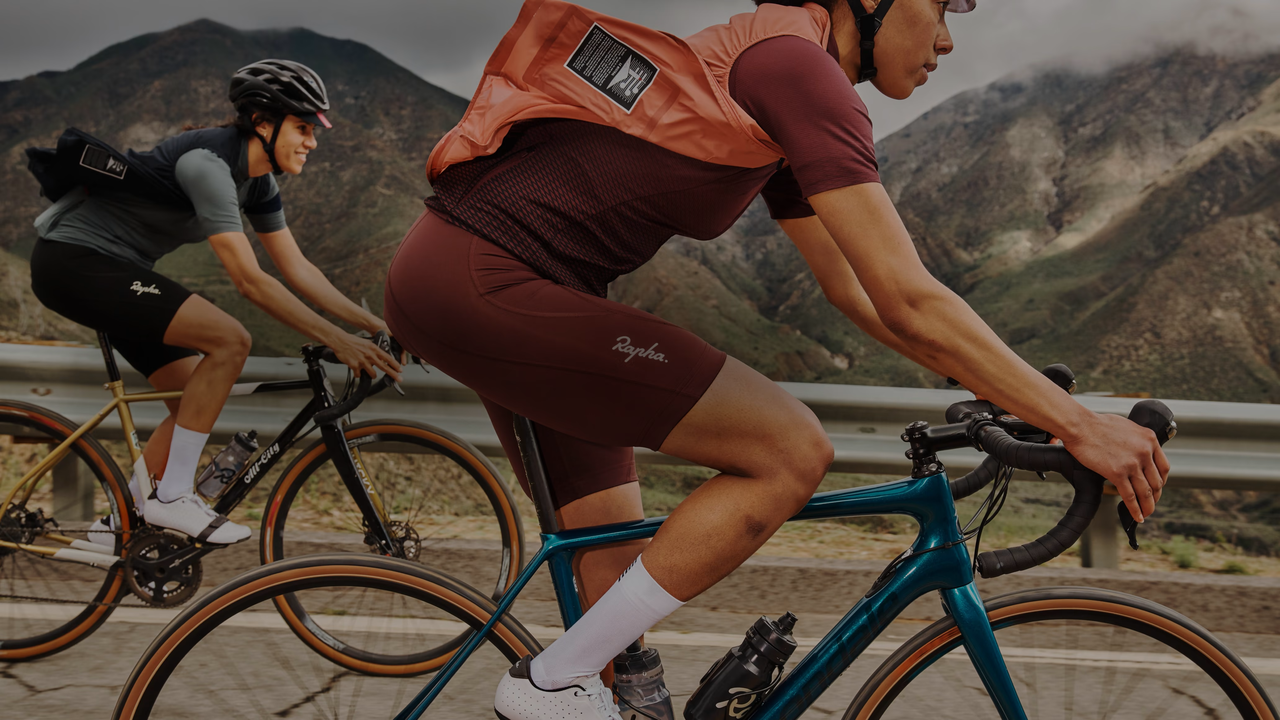
Others choose different outfits for different bikes.
And they’re not cheap.
There’s a brand that can sell a basic cycling jersey for $150—and make people proud to wear its logo. That brand is Rapha.
In a category long seen as “traditional” and even declining, Rapha didn’t just survive—it redefined what cycling means.
According to Grand View Research, the global bicycle market reached $84.25 billion in 2025, with cycling apparel accounting for only $6 billion. But the real shift isn’t about size—it’s about meaning.
Cycling is no longer just transportation.
It’s becoming a social currency for the modern elite.
In cities like London, Silicon Valley, and Singapore, early-morning cyclists in premium gear are replacing golfers as the new symbol of status.
And Rapha? It only serves that niche.
1. A Quiet Rebellion: Redefining the Cycling Jersey
Before Rapha, cycling apparel looked like a moving billboard.
Bright neon colors.
Overloaded sponsor logos.
Synthetic, performance-first design.
It screamed function—but lacked identity.
Then came Simon Mottram.
With a background in branding, he saw what others missed: a massive aesthetic gap.
Cycling, he believed, could be elegant. Refined. Even… gentlemanly.
So Rapha did the opposite of everyone else.
- Muted, understated color palettes
- Minimal branding
- Signature asymmetrical arm stripe
Instead of competing on performance specs, Rapha built a visual language.
Wearing Rapha wasn’t about riding faster.
It was about signaling taste.
You weren’t just another cyclist grinding on the road.
You were part of a certain world.
2. From Product to Passport: Selling Belonging
Rapha didn’t stop at design.
It extended its philosophy into physical spaces through its global Clubhouses—part retail store, part café, part community hub.
Walk into one, and you won’t find discount signs or aggressive sales tactics.
Instead, you’ll see:
- Specialty coffee
- Live race screenings
- Carefully curated interiors
This is where Rapha quietly builds its moat.
The product is no longer just apparel.
It’s a passport into an exclusive global cycling culture.
Whether it’s a $100 entry-level jersey or a $300 pro kit, customers aren’t buying fabric.
They’re buying identity and belonging.
3. Selling Pain, Not Products
Most brands treat social media as an ad channel.
Rapha treats it like National Geographic.
Scroll through its Instagram, and you won’t see flashy product shots or “Buy Now” CTAs.
Instead, you’ll find:
- Cyclists battling storms in the Scottish Highlands
- Mud-covered riders pushing through exhaustion
- Cold, lonely roads under grey skies
It’s not about comfort.
It’s about suffering—and the beauty within it.
This strategy taps into something deeper.
Cycling isn’t just fun.
It’s discipline. Endurance. Identity.
By capturing that emotional layer, Rapha creates a connection far stronger than any discount ever could.
4. Influencer Marketing at Its Highest Level
While most brands chase mega influencers, Rapha does the opposite.
It invests in cultural figures within the cycling community.
The best example? Lachlan Morton.
Instead of asking him to promote product features, Rapha supported his legendary “Alt Tour” challenge—riding the entire Tour de France route solo.
No support team.
No luxury hotels.
Just raw endurance.
Through social media, millions watched him:
- Fix his own bike in the rain
- Eat roadside meals
- Push through extreme fatigue
And he did it all wearing Rapha.
This wasn’t influencer marketing.
It was storytelling at an almost mythological level.
Rapha didn’t hire a promoter.
It backed a believer.
5. Breaking the “Low-Price Trap”
For many brands—especially those expanding globally—the instinct is clear:
Compete on price. Scale through volume.
Rapha chose the opposite.
And that’s the real lesson.
In 2026, the biggest opportunity isn’t in competing for the masses.
It’s in owning a niche and elevating it.
Instead of chasing 10,000 discount-driven customers, focus on 100 true believers.
Instead of lowering prices, raise meaning.
6. What This Means for Global Brands
Rapha proves that:
- Supply chain is the baseline
- Culture is the multiplier
Many brands have world-class manufacturing.
But very few know how to:
- Tell a story
- Build a community
- Find the right voices
And that’s where influencer strategy becomes critical.
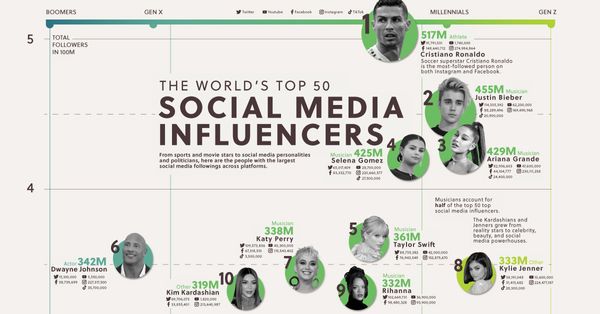
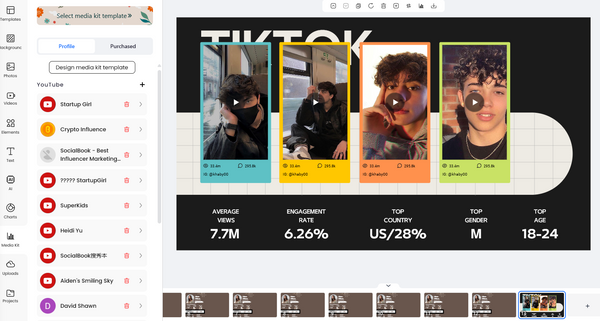
Working with creators isn’t just about reach—it’s about alignment.
From tech creators like Linus Sebastian
to lifestyle influencers like Jeffree Star
The real value lies in identifying creators who can carry your brand’s narrative, not just display your product.
Final Thoughts
Rapha didn’t win by being cheaper.
It won by being different.
It turned cycling into a symbol.
Pain into storytelling.
And apparel into identity.
For brands looking to scale globally, the takeaway is simple:
Don’t compete where everyone else is.
Build where no one else dares.