How Hanfu Is Becoming the Next Big Opportunity in Global E-commerce
An emerging Chinese fashion category is quietly winning over consumers worldwide.
More and more overseas shoppers are falling in love with Hanfu—traditional Chinese clothing that blends centuries of history with modern fashion. What was once considered a niche cultural product is rapidly becoming a fast-growing category in global e-commerce.
Search "Hanfu" on TikTok today, and you'll find thousands of creators from around the world wearing traditional Chinese outfits, sharing styling tips, historical facts, and makeup tutorials. Many of these videos have attracted hundreds of thousands—or even millions—of views. Collectively, Hanfu-related content has generated more than 1.6 billion views, proving that global interest is no longer limited to Chinese audiences.
Even more exciting, several Hanfu brands have already demonstrated that there is real business potential in this market.
From Content Creator to Successful Hanfu Brand
One of the most interesting success stories is Nüwa Hanfu, founded by Chinese-American content creator Mochi.
Mochi first discovered Hanfu while watching classic Chinese animated films set in ancient China. Fascinated by its beauty and history, she began creating educational content that explained the stories behind traditional Chinese clothing, historical figures, and ancient makeup—all in English for an international audience.
Instead of simply showcasing beautiful outfits, she focused on making Chinese culture accessible to people with little or no prior knowledge. That educational approach resonated strongly with viewers.
Within just three years, Mochi built a TikTok community of nearly 800,000 followers and accumulated over 30 million likes, becoming one of the most recognizable Hanfu creators outside China.
As her audience continued to grow, one question appeared again and again:
"Where can I buy authentic Hanfu?"
Recognizing the demand, she launched Nüwa Hanfu in 2022.
Building More Than an Online Store
Although still a relatively young brand, Nüwa Hanfu has already built a strong presence.
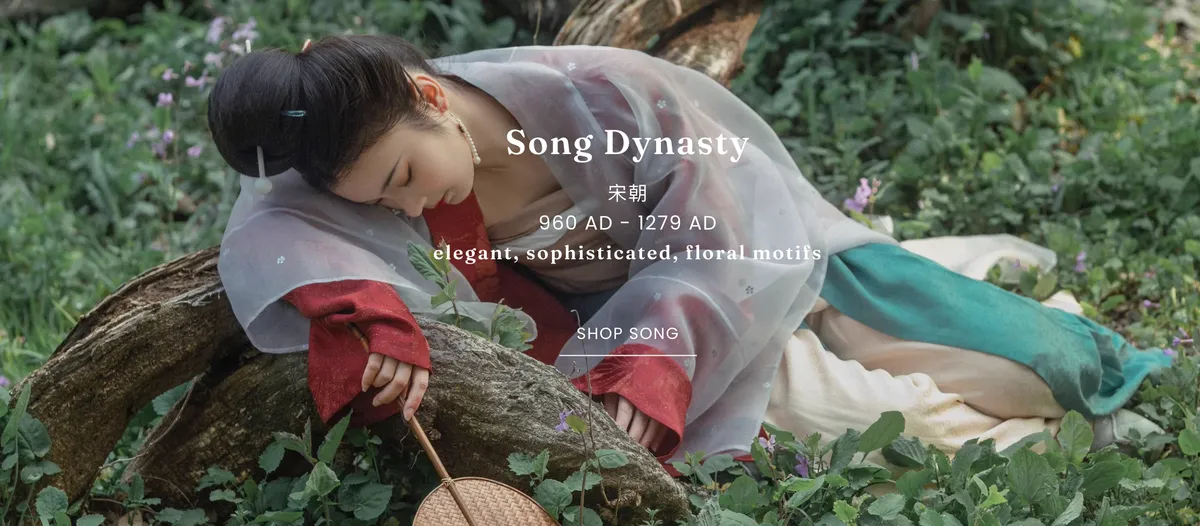
Its website offers an impressive collection covering multiple Chinese dynasties—from Han and Tang to Song and Ming styles—alongside modern Chinese-inspired fashion. Both men's and women's collections are available, with custom-made options for customers seeking a more personalized experience.
The site also features detailed educational resources explaining Hanfu history, cultural traditions, and garment styles, helping first-time buyers understand what they're purchasing.
This combination of commerce and education helps reduce purchase hesitation while creating a stronger emotional connection with customers.
Influencer Marketing Beyond the Founder
Although Mochi herself is already a successful creator, she didn't rely solely on her own audience.
She collaborated with numerous creators from different backgrounds, expanding the brand's reach far beyond existing Hanfu enthusiasts.
One notable example is Lady Izdihar, a creator known for producing content about Soviet history. The collaboration between a Chinese-American Hanfu educator and a history creator from a completely different cultural background made their videos both unique and highly engaging.
Together, they showcased different Hanfu styles while discussing history and culture, creating content that appealed to audiences far beyond the traditional fashion niche. Some of these collaborations reached more than two million views.
This demonstrates an important lesson for brands: influencer marketing becomes even more powerful when it connects cultures rather than simply promoting products.
Education Is the Best Marketing
As Hanfu gains popularity overseas, many consumers naturally have questions:
- Can non-Chinese people wear Hanfu?
- Can men wear Hanfu?
- What's the difference between Hanfu, kimono, and hanbok?
- Is wearing Hanfu considered cultural appreciation or cultural appropriation?
Instead of avoiding these conversations, Mochi embraced them.
She published blog articles answering frequently asked questions and created short-form videos explaining Hanfu etiquette, history, and cultural significance.
By addressing concerns openly, she built trust with her audience while lowering the barriers for first-time buyers.
For culturally significant products, educational content often converts better than traditional advertising.
Why Hanfu Is a Growing Global Opportunity
Several trends suggest that Hanfu has significant long-term growth potential outside China.
Global e-commerce platforms such as Amazon and Temu have seen increasing demand for Hanfu clothing and related accessories, including embroidered handbags, hair ornaments, belts, and traditional jewelry.
At the same time, China's manufacturing ecosystem—especially suppliers in Caoxian, Shandong, one of the country's largest Hanfu production hubs—has made it easier than ever for brands to serve international customers with a wide variety of styles and price points.
As interest in Chinese culture continues to grow through social media, entertainment, tourism, and gaming, Hanfu is gradually evolving from a historical costume into an everyday fashion choice for consumers worldwide.
What Brands Can Learn
Nüwa Hanfu's success wasn't built on paid advertising alone.
Instead, it combined several powerful growth strategies:
- Educational content before selling products
- Consistent storytelling around Chinese culture
- Authentic creator-led branding
- Cross-cultural influencer collaborations
- A content ecosystem that includes short videos, blogs, and e-commerce
This approach transformed cultural curiosity into purchasing intent—and ultimately into a successful global brand.
As more international consumers embrace diverse fashion and cultural expression, Hanfu represents one of the most promising opportunities for Chinese brands looking to expand overseas.
The next breakout global fashion trend may not come from Paris or New York.
It might come from China's rich cultural heritage.
