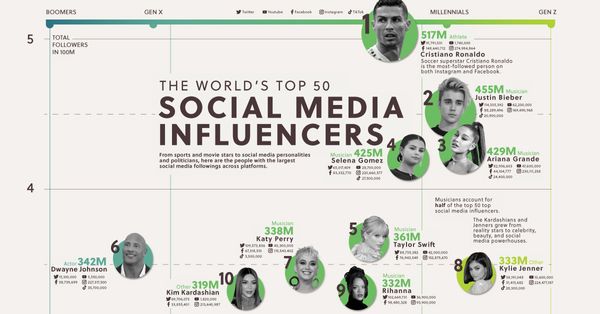
Forget those old-school ads that just get scrolled past. People trust people, and that's where influencer marketing shines. It's not about shouting the loudest; it's about connecting on a human level. In 2026, influencer campaigns are more than just posts – they're smart strategies designed to build trust, get noticed, and actually move the needle for your brand. We're talking about real results, not just random shoutouts. Let's get into the types of influencer campaigns that are really working right now.
Key Takeaways
- Influencer campaigns work because people trust recommendations from individuals they follow more than traditional advertising.
- The most effective influencer campaigns have clear goals, target audiences, specific messages, and defined timelines.
- Choosing the right influencer means looking beyond follower count to audience alignment, engagement, and brand fit.
- Different influencer campaign types serve different purposes, from building awareness to driving sales and creating content.
- Successful influencer marketing requires tracking results, learning from them, and building consistent relationships over time.
What Is an Influencer Marketing Campaign? (And How It Differs from Partnerships)
Okay, so you've probably seen them everywhere – people you follow on social media talking about a product or service. That's the basic idea behind influencer marketing. But what exactly is an influencer marketing campaign, and how is it different from just, you know, a partnership?
At its core, an influencer marketing campaign is a planned collaboration between a brand and a creator. The goal is to get that creator to talk about the brand's product or service to their audience. Think of it less like a traditional advertisement and more like a recommendation from someone you trust. The real magic happens because people tend to trust other people more than they trust big companies. We've all gotten really good at tuning out ads, right? Our brains just skip over them. But when someone we actually follow, someone whose style we like, mentions something they genuinely use or like? We stop. We listen. It feels more like a friend telling you about something cool they found, rather than a company shouting at you.
So, what makes it a campaign and not just a one-off post? A real campaign has a purpose. It's not just random. There's usually:
- A specific goal (like selling more of a new item, or just getting more people to know the brand exists).
- A target audience in mind (who are we trying to reach?).
- A clear message the brand wants to get across.
- A set timeline for when things should happen.
Now, about partnerships. Sometimes, the terms get used interchangeably, which can be confusing. A partnership might be a broader, ongoing relationship where an influencer is more deeply integrated with a brand over time, perhaps even helping develop products or representing the brand at events. A campaign, on the other hand, is often more focused and time-bound, centered around a particular objective, like a product launch or a seasonal promotion. It's about the intention behind the content.
The key difference often comes down to structure and objective. A campaign is typically a defined project with measurable outcomes, while a partnership can be a more fluid, long-term alliance.
Basically, an influencer campaign is a strategic way for brands to connect with potential customers through voices they already listen to. It’s about authenticity and building connections, not just shouting about how great your product is.
The 8 Types of Influencer Marketing Campaigns That Actually Work
Alright, let's talk about the influencer campaigns that actually move the needle in 2026. Forget those one-off posts that feel like they're just shouting into the void. We're diving into strategies that build real connections and get actual results. It's not about just paying someone to hold up your product; it's about smart collaborations that feel natural and drive specific goals. Here are the types of campaigns that are proving their worth:
1. Product Launch Campaigns
This is all about creating a buzz for something new. Think of it like a coordinated effort where multiple influencers drop content about your product around the same time. The goal is to make a big splash and get people talking. It's not just about showing the product; it's about telling a story around it, highlighting its benefits, and creating a sense of excitement and urgency. This can involve unboxing videos, first impressions, or even creative ways to integrate the new item into their daily lives.
2. Brand Awareness Campaigns
Sometimes, the goal isn't immediate sales, but getting your brand name out there. These campaigns focus on increasing visibility and making sure your target audience knows who you are and what you stand for. Influencers share their genuine experiences with your brand or products, focusing on the lifestyle or values associated with it. The key here is authenticity; the content should feel like a natural recommendation, not a hard sell. This builds recognition and familiarity over time.
3. Affiliate/Performance-Based Campaigns
This is where things get measurable. With affiliate campaigns, influencers earn a commission for every sale or lead they generate through a unique link or code. It’s a win-win: the influencer is motivated to promote because their earnings are directly tied to their success, and the brand only pays for actual results. This type of campaign is fantastic for driving direct sales and tracking ROI precisely. It requires clear tracking mechanisms, like unique discount codes or UTM parameters.
4. Event/Experiential Campaigns
Got a launch party, a pop-up shop, or a special event? Invite influencers! They can share their experience in real-time, bringing your event to life for their followers. This generates excitement, drives attendance (if applicable), and creates a ton of engaging content. Think live stories, behind-the-scenes peeks, and interactive Q&As during the event. It makes followers feel like they're part of the action, even if they can't be there in person.
5. User-Generated Content (UGC) Campaigns
This is a smart way to get authentic content that you can actually reuse. You partner with influencers to create content, but the real magic is that you get the rights to use that content on your own channels, ads, or website. It's like getting high-quality, trustworthy marketing material directly from the source. These campaigns often involve challenges or prompts that encourage creators to showcase your product in unique ways, leading to a diverse library of real-world usage examples.
6. Takeover Campaigns
Imagine an influencer temporarily taking over your brand's social media account for a day. They can share their perspective, interact with your audience, and give your channels a fresh voice. This is great for cross-promotion and introducing your brand to a new audience through a trusted voice. It's a dynamic way to keep your content interesting and engage followers with different personalities.
7. Long-Term Ambassador Programs
This isn't about a single post; it's about building a lasting relationship. You partner with influencers who genuinely love your brand and have them represent you over an extended period. They become the face of your brand, consistently sharing their experiences and integrating your products into their content. This builds deep trust and loyalty with their audience, making their recommendations incredibly powerful. It's about consistent presence and authentic advocacy.
8. Co-creation Campaigns
This is a more involved approach where influencers collaborate with the brand to develop a product or a specific piece of content. They bring their unique insights into what their audience wants and needs. This can lead to highly successful, audience-aligned products or campaigns because they're built with direct input from the people who will buy them. It’s a true partnership that can result in something truly innovative.
Choosing the right campaign type depends entirely on your specific goals. Don't just pick one because it sounds cool; make sure it aligns with what you're trying to achieve, whether that's boosting sales, increasing brand recognition, or gathering authentic content. A well-chosen strategy is half the battle won.
How to Select the Optimal Influencer Campaign Strategy for Your Brand
Picking the right kind of influencer campaign isn't just about picking an influencer; it's about picking the right strategy for what you want to achieve. Think of it like this: you wouldn't use a hammer to screw in a lightbulb, right? Same idea here. You need to match the campaign type to your specific business goals.
First off, get super clear on what you're trying to do. Are you trying to get a brand new product out there and make a splash? A product launch campaign with a coordinated push from several influencers might be your best bet. Or maybe you're just trying to get more people to know your brand exists in the first place? Then a brand awareness campaign, perhaps with some broader reach influencers, makes more sense. If you're focused on driving actual sales and can track it, affiliate or performance-based campaigns are the way to go. For building buzz around a physical event or a special experience, an event campaign is key. And if you want to fill your own marketing channels with authentic content, user-generated content (UGC) campaigns are gold.
Here’s a quick breakdown to help you decide:
- Sales Focused: Affiliate/performance-based campaigns. You pay for results.
- Awareness Focused: Brand awareness campaigns, product launch campaigns. Get the word out.
- Content Focused: UGC campaigns, co-creation campaigns. Get authentic assets.
- Engagement Focused: Event/experiential campaigns, giveaway campaigns. Get people interacting.
- Relationship Focused: Long-term ambassador programs. Build loyalty.
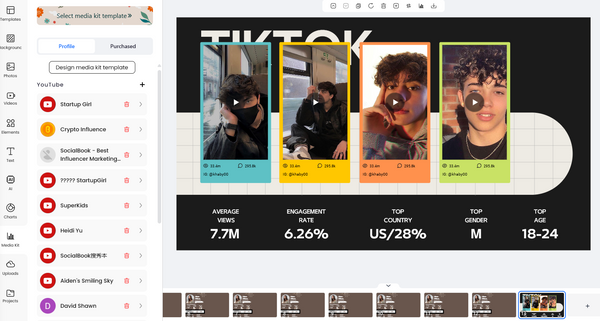
Beyond the goal, you've got to look at who you're trying to reach. Does the influencer's audience actually match your ideal customer? Don't just look at follower numbers; dig into the demographics. Are they the right age? In the right location? Do they share similar interests? Tools can help with this, but so can just looking at the comments section of an influencer's posts. Real engagement from real people is what you're after.
Don't fall into the trap of thinking bigger follower counts always mean better results. Sometimes, a smaller, more niche influencer with a highly engaged community that perfectly aligns with your brand can be far more effective than a mega-influencer with a broad, less targeted audience. It's about connection, not just reach.
Finally, consider your budget. Micro-influencers and nano-influencers often offer more bang for your buck, especially if you're a smaller business or just starting out. They tend to have higher trust levels with their followers and might be open to product trades or smaller flat fees. Larger influencers come with higher price tags, but they can be great for massive reach during a big launch. The key is to align the campaign type, the influencer's audience, and your budget to create a strategy that actually works for your brand.
Influencer Campaign Ideas by Industry
Picking the right kind of influencer campaign really depends on what you're selling and who you're trying to reach. It's not a one-size-fits-all thing, you know? What works for a trendy clothing brand might fall flat for a local bakery.
Let's break down how different industries can use influencer marketing effectively. Think about your goals first. Are you trying to get people in the door, sell more online, or just get your name out there? The key is matching the campaign type to your specific business needs.
Retail & E-commerce
For online stores, it's often about driving sales and building brand recognition. Think product reviews, unboxing videos, and discount codes. Affiliate campaigns work great here because you can directly track sales generated by each influencer. You could also run giveaways to boost engagement and follower counts. For a new product launch, a coordinated push from several influencers can create a real buzz.
Food & Beverage
This industry thrives on visual appeal and taste. Influencers can showcase recipes using your product, create aesthetically pleasing food photos, or review new menu items. Local food bloggers are gold for restaurants looking to drive foot traffic. Think about campaigns where influencers share their experience dining at your establishment or creating a dish with your ingredients. User-generated content campaigns can also be powerful, encouraging customers to share their own food photos.
Beauty & Fashion
These sectors are practically built for influencer marketing. Think try-on hauls, makeup tutorials, style guides, and 'get ready with me' videos. Long-term ambassador programs can build deep trust and authenticity. Co-creation campaigns, where an influencer helps design a product, can also be very successful. Visual platforms like Instagram and TikTok are your best friends here.
Travel & Hospitality
Showcasing experiences is the name of the game. Influencers can share their trips, hotel stays, or local attractions. Think stunning photography, vlogs of their adventures, and honest reviews. Event campaigns work well for promoting new destinations or special packages. Local influencers can highlight hidden gems in a specific city, driving tourism.
Health & Wellness
Authenticity is super important here. Influencers can share their fitness journeys, healthy recipes, or mindfulness practices. It's about relatable content that inspires followers. Product seeding for fitness gear or supplements can work, but it needs to feel genuine. Be cautious with claims and ensure influencers align with your brand's values. Tools like SocialBook can help vet influencers for credibility in this sensitive space.
Technology & Gaming
This audience is often very engaged and knowledgeable. Influencers can create in-depth reviews, gameplay streams, unboxing videos for new gadgets, or tutorials. Performance-based campaigns can work well for software or app launches. Think about how influencers can demonstrate the practical use or entertainment value of your tech product.
Local Businesses (Cafes, Salons, Gyms)
For brick-and-mortar spots, local influencers are key. They can drive foot traffic by showcasing their personal experience at your business. Think about campaigns where they highlight a specific service, a new product, or just a great atmosphere. Giveaways or special offers promoted by local creators can be very effective. The goal here is to make people feel like they know and trust the influencer, so they'll trust your business too.
No matter the industry, remember that genuine connection and clear goals are what make influencer marketing truly shine. It's about building relationships, not just getting a quick post.
The Creator Economy and the Future of Brand Collaborations
The creator economy isn't just a passing trend; it's fundamentally changing how brands connect with people. We're seeing a big shift from traditional advertising to more authentic, creator-led content. This means influencers are becoming more than just spokespeople; they're becoming partners in product development and campaign strategy.
This evolution is driven by a demand for genuine connection and a desire for content that feels less like an ad and more like a trusted recommendation. Audiences are savvier than ever, and they can spot a forced promotion from a mile away. That's why brands are increasingly looking to collaborate with creators on a deeper level, tapping into their unique insights and audience understanding.
Here's a look at how this is playing out:
- Co-Creation: Brands are working with creators to design products or develop unique content. Think limited-edition collections or custom campaigns built from the ground up with influencer input. This builds serious loyalty.
- Long-Term Partnerships: Instead of one-off posts, brands are investing in ongoing relationships with creators who truly align with their values. This builds sustained visibility and trust.
- Data-Driven Strategy: The focus is shifting towards measurable results. Brands are using data to understand what works, optimizing campaigns based on engagement, sales, and customer lifetime value.
The future of brand collaborations lies in treating creators as strategic partners, not just advertising channels. This means giving them a voice in the creative process and aligning on shared goals. It's about building something together that benefits both the brand and the creator's audience.
This shift requires a more sophisticated approach to managing these relationships. It involves clear agreements, open communication, and a willingness to share creative control. As the creator economy continues to mature, brands that embrace these deeper collaborations will likely see the most significant returns. Exploring platforms that help manage these complex relationships can be a smart move for scaling creator marketing.
It's not just about reach anymore; it's about building genuine communities and creating content that truly connects. The brands that get this right will be the ones leading the pack.
So, What's the Takeaway?
Look, influencer marketing isn't just about throwing products at people and hoping for the best anymore. We've seen how different campaigns, from seeding products to running full-blown launch events with creators, all have their own job to do. It’s not just about getting a bunch of likes; it’s about picking the right tool for the job, whether that’s building trust, getting people talking, or actually driving sales. The brands that are winning are the ones that treat this like a real strategy, not just a quick ad. They find the right people, build actual relationships, and keep an eye on what's working. It’s about being smart, being real, and sticking with it. That’s how you actually make influencer marketing pay off.
Frequently Asked Questions
What exactly is an influencer marketing campaign?
Think of an influencer marketing campaign as a team-up between a brand and someone popular on social media, like a YouTuber or Instagrammer. Instead of just running a regular ad, the brand works with this person to share their product or service in a way that feels natural and like a recommendation from a friend. It's all about using that person's connection with their followers to get the word out.
Why do influencer campaigns work better than normal ads?
People tend to trust recommendations from people they follow more than they trust ads from companies. We've all gotten good at ignoring ads, but when someone we like and follow talks about something they genuinely enjoy, we pay attention. It feels more real and less like a sales pitch, which makes us more likely to believe it and check it out.
What's the difference between an influencer campaign and just paying someone to post?
A real influencer campaign is more than just a single post. It has a clear plan with a specific goal, like getting more people to know about a new product or driving sales. It targets a certain group of people, has a message, and a timeline. It's a thoughtful strategy, not just a random shout-out.
How do brands pick the right influencer to work with?
Brands look for influencers whose followers are similar to the people they want to reach. It's not just about how many followers someone has, but about whether those followers are interested in the same things. They also check if the influencer's style and values match the brand's, and if their audience really trusts and interacts with them.
What are some common goals for influencer campaigns?
Brands use influencer campaigns for different reasons. Some want to make more people aware of their brand or a new product. Others want to get people to buy something directly. Some campaigns are focused on getting cool content that the brand can use later, or building a community around the brand.
Should I focus on influencers with tons of followers or smaller ones?
It really depends on your goal! Influencers with huge followings can help you reach a lot of people quickly, which is great for big announcements. But influencers with smaller, more focused followings often have a stronger connection with their audience. Their followers tend to trust them more, which can lead to better engagement and sales, especially for niche products or local businesses.