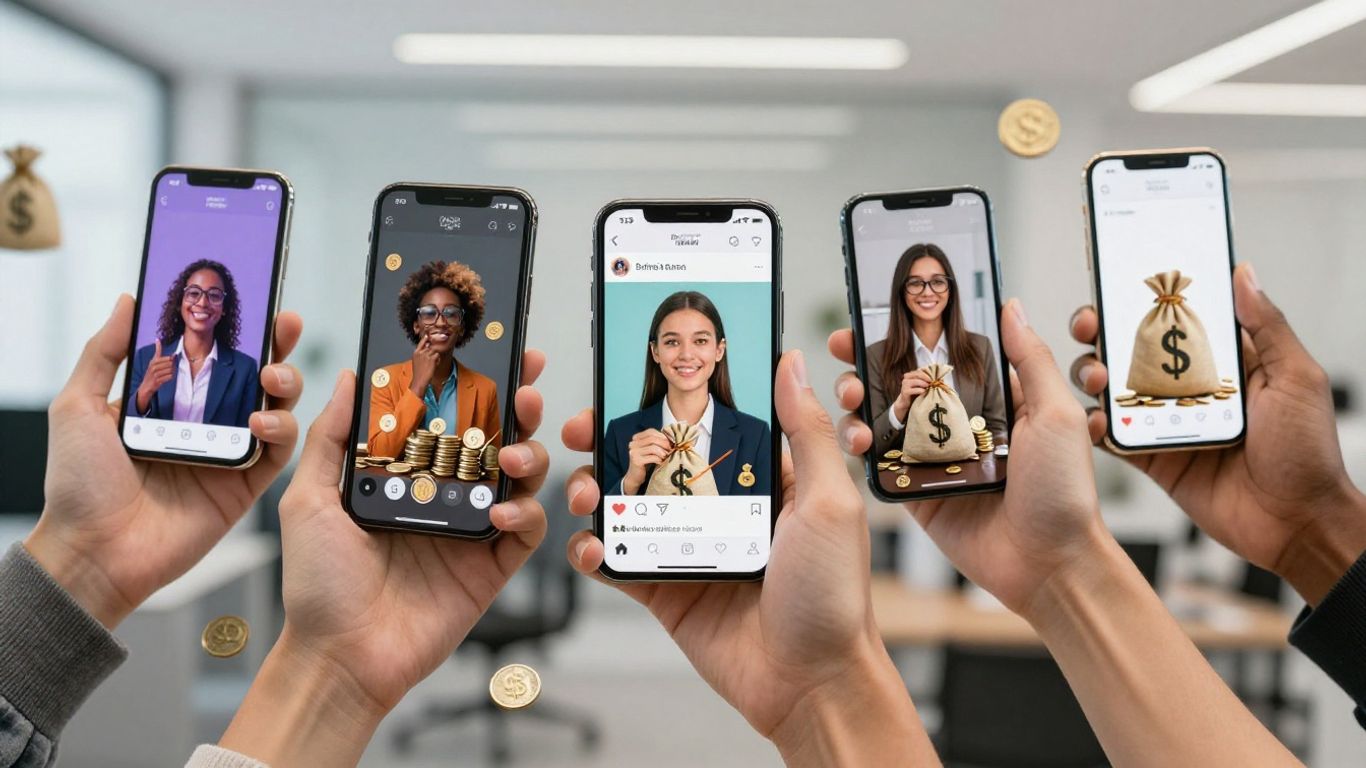
In 2026, influencer marketing is shifting from a trendy tactic to a core part of many brands' strategies. It's not just about getting eyes on a product anymore; it's about building trust and getting real results. Brands are figuring out smarter ways to spend their money, focusing on creators who really connect with their audience and making sure every dollar spent can be tracked.
Key Takeaways
- Influencer marketing budgets are growing, with a wide range in how much brands spend, from under $10k to over $500k annually.
- Brands are moving beyond just follower counts, prioritizing influencers with genuine engagement and audiences that fit their target market.
- Performance is key: marketers are using data and analytics to track conversions and ROI, not just likes and impressions.
- Short-form video content on platforms like TikTok and Instagram is getting a big chunk of the budget due to high engagement.
- Authentic, story-driven content from creators is more trusted by consumers than traditional advertising, making it a continued investment.
Influencer marketing budgets are growing, with wide ranges in spend.
It’s no secret that influencer marketing budgets are on the rise. We're seeing a pretty big spread in how much brands are putting towards creator collaborations these days. On one end, you've got a lot of smaller businesses still experimenting, often spending under $10,000 a year. They're usually testing the waters with a few micro-influencers and maybe some paid boosting. It’s all about stretching those initial dollars.
Then you have the other end of the spectrum. Big companies and established brands are dropping serious cash, with many planning to spend over $500,000 on creators alone. For these larger players, influencer marketing isn't just a side project; it's integrated right alongside their TV and retail media buys. It’s a significant chunk of their overall marketing pie, with some allocating 10-20% and others even more than 40% of their total marketing budget to this channel.
This wide range really highlights how different businesses are approaching influencer marketing. It’s not a one-size-fits-all situation.
Here’s a general idea of how planned annual influencer marketing budgets break down:
- Under $10k: About 47% of brands fall into this category.
- $10k – $50k: Roughly 21% of brands budget in this range.
- $50k – $100k: Around 9% of brands are here.
- $100k – $500k: About 8% of brands spend in this bracket.
- $500k+: A notable 14.5% of brands are investing heavily here.
The key takeaway is that while the overall investment in influencer marketing is increasing, the actual dollar amounts vary dramatically based on company size, industry, and strategic goals. It’s about finding the right fit for your specific needs and objectives.
How are brands maximizing their influencer marketing budgets?
So, how are companies actually making their influencer marketing money work harder in 2026? It's not just about throwing cash at creators and hoping for the best. Brands are getting smarter, focusing on a few key areas to really get the most bang for their buck.
1. Leveraging cost-effective strategies
This is a big one, especially for smaller businesses. Instead of chasing after the biggest names, many are finding success with micro and nano-influencers. These creators might not have millions of followers, but their audiences are often super engaged and really trust their recommendations. It’s about finding that perfect fit rather than just sheer numbers. Plus, these smaller creators usually come with a lower price tag, making it easier to test campaigns without breaking the bank. Think about it: a bunch of smaller, targeted campaigns can often achieve more than one massive, expensive one. Many brands are also looking at bundled deals – maybe a creator does a post, provides user-generated content (UGC), and allows the brand to use their content in ads for a while. This kind of package deal can be way more budget-friendly than paying for each element separately. It's all about being creative and finding value where you might not have looked before.
2. Prioritizing measurable performance
Gone are the days when just counting likes was enough. Today, brands want to see real results. This means setting clear goals from the start. Are you trying to boost brand awareness for a new product? Drive sales? Get people to sign up for a newsletter? Knowing your objective helps you pick the right influencers and track the right metrics. We're talking about using unique discount codes, affiliate links, and special URLs to see exactly where the sales are coming from. It’s about treating influencer spending like any other marketing investment, where you need to show a return. If a campaign isn't hitting its targets, brands are quick to adjust or shift their budget to what is working. This focus on data means influencer marketing is becoming less of a shot in the dark and more of a predictable part of the marketing mix. It’s about making sure every dollar spent is actually contributing to the bottom line, which is why tracking campaign performance is so important.
3. Investing in authentic, story-driven content
People are tired of overly polished ads. They want to see real people sharing real experiences. Brands are realizing that the most effective influencer content feels natural and tells a story. This means giving creators some creative freedom to talk about products in their own voice, rather than sticking to a rigid script. When an influencer genuinely loves a product and shares their honest experience, their audience picks up on that authenticity. This builds trust, and trust leads to action. It’s not just about showing the product; it’s about showing how it fits into someone’s life. Think about a travel influencer sharing how a certain backpack made their trip easier, or a food blogger showing how a new kitchen gadget simplified their cooking. That kind of relatable content is what really connects with people and makes them want to learn more. It’s about building a connection, not just making a sale.
The shift towards authenticity means brands need to trust their influencers to represent them well. It's a partnership built on shared values and a genuine belief in the product or service being promoted. This human element is what traditional advertising often struggles to replicate.
3. Investing in authentic, story-driven content
Forget those quick, one-off posts. In 2026, brands are really digging into making content that feels real and tells a story. People are tired of being sold to all the time, you know? They want to connect with creators and brands on a more human level.
This means moving beyond just showing a product and actually weaving it into a narrative. Think about how a creator uses something in their daily life, or how it solves a problem they genuinely have. It’s about showing, not just telling.
Here’s what that looks like:
- Long-term partnerships: Instead of hiring someone for a single post, brands are looking for creators who can become long-term brand ambassadors. This builds trust because audiences see the creator using and loving the product over time, not just for a quick paycheck.
- Creator as consultant: Brands are starting to work with creators on the strategy side. These creators know their audience best, so their input on what kind of content will actually work is super important.
- Community focus: Creators are building spaces, online and sometimes even in person, where their followers can connect. Brands can tap into these existing communities for more genuine engagement.
- Human element over AI: While AI is cool for some things, it can't capture the messy, real desires of people. Brands are realizing that genuine human connection, facilitated by creators, is still king.
The shift is towards content that feels less like an advertisement and more like a recommendation from a friend. It’s about building relationships, not just making a sale. This approach helps cut through the noise of constant online promotions.
This kind of authentic content isn't just about looking good; it's about building real loyalty. When a creator shares a genuine story, it sticks with people way more than a flashy, but forgettable, ad. It’s a smarter way to spend that marketing money, focusing on impact that lasts.
What do these budget trends signal for 2026?
So, what does all this mean for next year? It looks like brands are getting smarter about where their money goes. We're seeing a big shift from just chasing likes to really looking at what actually moves the needle. Think about it: if you're spending money, you want to know it's working, right?
The biggest takeaway is that influencer marketing is becoming less of a wild experiment and more of a calculated investment. Brands are using data like never before to figure out which creators actually connect with their target audience and drive sales, not just get a bunch of eyeballs. This means we'll probably see more long-term partnerships with creators who genuinely fit the brand, rather than one-off posts.
Here’s a quick look at what to expect:
- More focus on ROI: Forget vanity metrics. Budgets will be tied to actual business results, like sales and customer acquisition.
- Rise of micro and nano influencers: These smaller creators often have super engaged communities, making them a cost-effective way to reach specific groups.
- Authenticity is king: Consumers are tired of overly polished ads. Content that feels real and relatable will get the budget.
- Data is the new currency: Brands will invest in tools and talent to track campaign performance meticulously.
We're moving into an era where influencer marketing needs to prove its worth just like any other channel. It's not just about being trendy anymore; it's about being effective and accountable. This means budgets will be allocated more strategically, with a clear eye on measurable outcomes and a preference for genuine connections over sheer reach.
It’s going to be interesting to see how this plays out. Brands that adapt and focus on genuine connection and measurable results will likely see the best returns on their influencer spend in 2026.
The Future of Influencer Budgets: Smart Spending for Real Results
So, looking at all this, it's clear that influencer marketing in 2026 isn't just about throwing money at creators and hoping for the best. Brands are getting smarter, really digging into the data to see what actually works. It's less about who has the most followers and more about finding the right people who genuinely connect with their audience. We're seeing a big shift towards measuring real impact, like sales and customer loyalty, not just likes. While it can get complicated with hidden costs and choosing the right platforms, the brands that are winning are the ones treating influencer spend like a serious investment. They're planning carefully, testing, and focusing on those creator partnerships that drive actual business growth. It’s all about being strategic and making sure every dollar spent is working hard.
Frequently Asked Questions
How much money do brands typically spend on influencer marketing each year?
Many brands, about 47%, plan to spend less than $10,000 on influencer marketing annually. However, a significant portion, around 14.5%, are willing to spend over $500,000. Smaller businesses often spend between $10,000 and $50,000.
Why are brands investing more in influencer marketing?
Brands are spending more because people trust influencers more than traditional ads. Influencers share real experiences and relatable stories, which helps build trust and encourages people to take action, like making a purchase.
What's more important: an influencer's follower count or how much their audience engages?
Today, brands care more about how engaged an influencer's audience is and if that audience is a good fit for the brand. Even influencers with fewer followers, called micro-influencers, can be very effective if their followers really listen to them and interact with their content.
Besides paying the influencer, what other costs are involved in influencer marketing?
You might also need to pay for things like creating content, managing the campaign, using special tools to find influencers, and legal fees for contracts. It's important to plan for these extra costs so your budget doesn't get too high.
How do brands measure if an influencer campaign is successful?
Success is now measured by more than just likes. Brands look at how many people visit their website, how many sales are made, and how much people like the content. They use special tools to track these results and see if the money spent is worth it.
What kind of content is most popular with influencers right now?
Short videos, like those on TikTok and Instagram Reels, are very popular because they grab attention quickly. Brands are focusing their spending on these platforms because they get a lot of views and engagement from users.